
Introduction
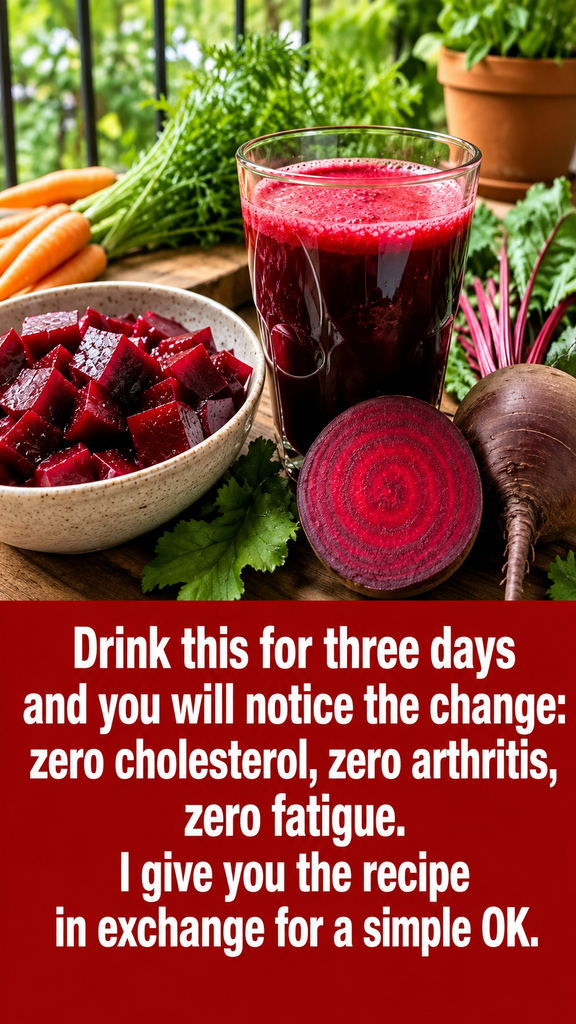
A natural drink for high cholesterol, joint pain, and constant fatigue can be a refreshing addition to a balanced lifestyle. Although social media claims suggest that drinking a homemade mixture for just three days can transform your health, there is no reliable evidence that a single drink can significantly lower cholesterol, eliminate joint pain, or cure persistent fatigue within such a short period.
However, a simple drink made with ginger, lemon, and water can provide hydration and a pleasant, refreshing flavor. Combined with nutritious meals, regular physical activity, and adequate sleep, it can support healthy daily habits.
In this article, you will discover how to prepare this easy ginger and lemon drink, its nutritional benefits, healthier alternatives, and important precautions for people managing cholesterol or joint discomfort.
Ingredients List
This ginger and lemon drink uses three simple ingredients that are easy to find in most grocery stores.
Ingredients
- 1 teaspoon freshly grated ginger: Adds a warm, spicy flavor and contains natural compounds called gingerols.
- Juice of half a fresh lemon: Provides a bright citrus taste and some vitamin C.
- 1 cup (250 ml) warm water: Creates a light, soothing drink that supports hydration.
Optional Ingredients
- A few fresh mint leaves: Add a cooling aroma and refreshing flavor.
- A small pinch of cinnamon: Provides a warm, sweet-spicy note.
- ½ teaspoon honey: Adds sweetness if desired, although it also increases the sugar and calorie content.
Ingredient Substitutions
If fresh ginger is unavailable, you can use approximately ¼ teaspoon of ground ginger. Lime juice can replace lemon juice for a slightly different citrus flavor. For a sugar-free version, simply leave out the honey.
Remember that these ingredients are intended to make a flavorful beverage, not a substitute for cholesterol medication or medical treatment.
Timing
One advantage of this homemade drink is that it requires very little preparation.
- Preparation time: 5 minutes
- Cooking time: 0 minutes
- Total time: 5 minutes
- Servings: 1 cup
Unlike recipes that require simmering or lengthy preparation, this drink can be made fresh whenever you want a quick, refreshing beverage.
Step-by-Step Instructions
Step 1: Prepare the Ginger
Wash a small piece of fresh ginger thoroughly. Peel it if desired, then grate approximately one teaspoon.
Fresh ginger provides a lively aroma and a naturally spicy taste. If you prefer a milder drink, start with half a teaspoon.
Step 2: Warm the Water
Pour one cup of drinking water into a glass or mug. Use warm water rather than boiling water to make the drink comfortable to sip.
There is no need to boil the water for an extended period.
Step 3: Add the Lemon Juice
Squeeze half a fresh lemon into the warm water. Remove any seeds that fall into the glass.
The lemon adds a refreshing citrus flavor and contributes a small amount of vitamin C.
Step 4: Mix in the Ginger
Add the grated ginger and stir thoroughly. Let the mixture stand for approximately two to three minutes so that its flavor can develop.
For a smoother drink, strain out the ginger pieces before serving.
Step 5: Adjust and Serve
Taste the drink and add a few mint leaves if desired. If you prefer a sweeter beverage, a small amount of honey is optional.
Enjoy it fresh, either warm or cooled. There is no need to drink excessive quantities or follow a strict three-day regimen.
Nutritional Information
The nutritional value depends on the amount of ginger and lemon used and whether you add honey.
Approximate nutrition for one serving without honey:
| Nutrient | Estimated amount |
|---|---|
| Calories | 5–10 kcal |
| Carbohydrates | 1–3 g |
| Sugars | Less than 1 g |
| Fat | 0 g |
| Protein | Less than 1 g |
| Fiber | Less than 1 g |
| Vitamin C | Approximately 5–10 mg |
These figures are estimates and may vary according to ingredient size and how much ginger is consumed.
How Can This Drink Support a Healthy Lifestyle?
Ginger: Ginger contains bioactive compounds that have been studied for their potential anti-inflammatory effects. Some studies suggest benefits for certain types of pain, but the evidence varies, and a small serving of ginger drink is not a proven treatment for joint disease.
Lemon: Lemon provides vitamin C, which helps support normal immune function and collagen formation. However, adding lemon juice to water does not directly dissolve cholesterol deposits or remove arterial plaque.
Water: Staying hydrated supports normal body functions. Drinking enough water may help with dehydration-related tiredness, but ongoing fatigue can have many other causes.
For high cholesterol, foods rich in soluble fiber, such as oats, beans, lentils, and some fruits, have stronger evidence for helping lower LDL cholesterol when included regularly in a balanced diet.
Healthier Alternatives for the Recipe
You can adapt your daily beverage and overall diet to support heart health without relying on exaggerated health claims.
1. Ginger and Lemon Water
Keep the original recipe simple by using fresh ginger, lemon juice, and water without added sugar. This is a good option if you want a low-calorie beverage.
2. Green Tea With Lemon
Unsweetened green tea contains plant compounds called catechins. Research suggests that green tea may have modest effects on some cholesterol measurements, although it cannot replace prescribed treatment.
3. Berry and Water Smoothie
Blend a small serving of berries with water and a little plain yogurt if desired. Berries provide vitamin C and other plant compounds. Keeping the fruit whole or blended rather than strained also helps preserve its fiber.
4. Oatmeal for Heart Health
For a more evidence-based dietary approach to high cholesterol, consider oatmeal made with rolled oats and water or unsweetened milk. Oats contain beta-glucan, a soluble fiber that can help lower LDL cholesterol when consumed regularly in sufficient amounts.
5. Turmeric and Ginger Infusion
A mild turmeric and ginger infusion can offer a flavorful alternative. However, evidence for pain relief from concentrated supplements does not automatically apply to a homemade drink, and turmeric can interact with certain medications.
Serving Suggestions
This drink can fit into a variety of daily routines.
- With breakfast: Serve alongside oatmeal, whole-grain toast, or plain yogurt.
- After a walk: Enjoy it as a refreshing beverage after light physical activity.
- As an afternoon drink: Prepare a fresh cup instead of reaching for a sugar-sweetened beverage.
- As a cold drink: Allow it to cool, pour it over ice, and add fresh mint.
For a heart-healthy eating pattern, pair your beverage with vegetables, fruits, whole grains, legumes, nuts, and sources of unsaturated fats such as olive oil.
No particular time of day has been proven to make this drink more effective at lowering cholesterol or relieving joint pain.
Common Mistakes to Avoid
1. Expecting Results Within Three Days
A three-day drink challenge cannot reliably lower high cholesterol or cure joint pain. Changes in cholesterol generally require sustained dietary and lifestyle measures, and follow-up blood tests are needed to assess progress.
2. Using Too Much Ginger
Large quantities of ginger may cause heartburn, abdominal discomfort, or diarrhea. Start with a small culinary amount and stop if you experience unwanted effects.
3. Adding Too Much Honey
Honey may improve the flavor, but it contributes added sugar. If you are monitoring your sugar intake, leave it out or use only a small quantity.
4. Replacing Medication With a Home Remedy
Do not stop or reduce cholesterol-lowering medication because you begin drinking ginger and lemon water. Discuss any medication concerns with your healthcare professional.
5. Ignoring Persistent Fatigue
Constant tiredness can be associated with anemia, thyroid problems, sleep disorders, medication effects, or other medical conditions. A homemade drink cannot identify or reliably treat these causes.
6. Assuming Joint Pain Is Always Inflammation
Joint discomfort can result from osteoarthritis, injuries, autoimmune conditions, infections, or other problems. The appropriate treatment depends on the underlying cause.
Storing Tips for the Recipe
For the best flavor, prepare this drink fresh whenever possible.
- Best option: Make only the amount you intend to drink.
- Short-term storage: If necessary, refrigerate a covered container promptly and consume the drink within 24 hours for freshness.
- Avoid leaving it out: Do not leave the prepared drink at room temperature for extended periods.
- Prepare ingredients ahead: Wash the ginger and lemon in advance, then refrigerate them separately.
- Keep the flavor fresh: Add the lemon juice shortly before serving for a bright citrus taste.
Discard the drink if it develops an unusual smell, appearance, or signs of spoilage.
Medical Consultation & Precautions
Although the recipe uses common food ingredients, it is not suitable for everyone in every circumstance.
- People taking blood-thinning medication: Ask a healthcare professional before using large amounts of ginger or concentrated ginger supplements, especially if you have a bleeding disorder.
- People with acid reflux: Lemon and ginger may worsen symptoms in some individuals.
- People with gallbladder problems: Discuss concentrated ginger supplements or major dietary changes with your clinician.
- People taking cholesterol medication: Continue prescribed treatment and consult your healthcare professional before adding supplements.
- People with persistent symptoms: Seek medical advice if fatigue, joint pain, or unexplained weakness continues.
Seek urgent medical care for a suddenly painful, hot, swollen joint accompanied by fever. Chest pain, severe shortness of breath, or sudden weakness also requires urgent assessment.
Conclusion
Ginger and lemon water is a simple, refreshing drink that can complement a balanced lifestyle, but it cannot cure high cholesterol, joint pain, or persistent fatigue in three days. Try the recipe, share your feedback in the comments, and subscribe for more practical, evidence-informed wellness ideas.
FAQs – Frequently Asked Questions
1. Can this natural drink lower cholesterol in three days?
There is no reliable evidence that ginger and lemon water significantly lowers cholesterol within three days. Consistent dietary changes, physical activity, and medication when prescribed are more dependable approaches.
2. Does ginger and lemon water relieve joint pain?
Ginger has been studied for potential effects on certain types of pain, but results are mixed. This drink should not be considered a proven treatment for arthritis, joint injuries, or other causes of joint pain.
3. Can I drink this recipe every day?
Many adults can enjoy a small serving made with ordinary culinary amounts of ginger and lemon. However, individual circumstances, medication use, and digestive sensitivity matter. Consult a healthcare professional if you have relevant medical conditions or concerns.
4. Is this drink good for people with high cholesterol?
It can be part of a balanced diet, particularly when it replaces sugary beverages. Its main advantage is that it is low in calories and contains no added sugar when prepared as directed. It does not replace cholesterol-lowering treatment.
5. What is the best drink for high cholesterol?
No single drink is a cure for high cholesterol. Water and unsweetened tea are reasonable choices. Soluble-fiber-rich foods, including oats and legumes, have better-established cholesterol-lowering benefits as part of an overall dietary pattern.
6. Why am I always tired even when I eat healthily?
Persistent fatigue may be related to poor sleep, stress, anemia, thyroid disorders, medication effects, or other health problems. Arrange a medical assessment if tiredness is ongoing, unexplained, or interfering with everyday activities.
7. Can I add honey to the recipe?
Yes, a small amount can be added for flavor. However, honey contributes sugar and calories, so it is optional rather than necessary.
8. Should I drink this on an empty stomach?
There is no strong evidence that drinking ginger and lemon water on an empty stomach improves cholesterol levels or joint health. If it causes nausea, reflux, or stomach discomfort, try it with food or discontinue it.
9. Can this drink replace my cholesterol medication?
No. Do not stop prescribed medication or change its dose without consulting your healthcare professional. Untreated high cholesterol can increase the risk of heart attack and stroke even when you feel well.
10. How long does it take to improve cholesterol naturally?
The timeline varies according to your starting cholesterol levels, diet, genetics, other health conditions, and treatment. Your healthcare professional can recommend when to repeat a lipid panel and determine whether your plan is working.


