Introduction
Few dishes feel as comforting as a plate of warm, fluffy scrambled eggs on a lazy morning. Whether you’re a beginner cook or someone who’s burned one too many batches, this scrambled eggs recipe will help you nail that soft, creamy texture every single time. It’s quick, budget-friendly, and endlessly customizable — the kind of dish you’ll want on repeat all week long.
What makes this version stand out isn’t a secret ingredient; it’s technique. Low heat, patience, and a bit of care are what separate rubbery, dry eggs from the pillowy, restaurant-style scramble you see on breakfast menus. By the end of this post, you’ll understand exactly why those small details matter — and you’ll never look at a whisk the same way again.
Ingredients List
Here’s everything you need for a classic, creamy scramble that serves two people generously:
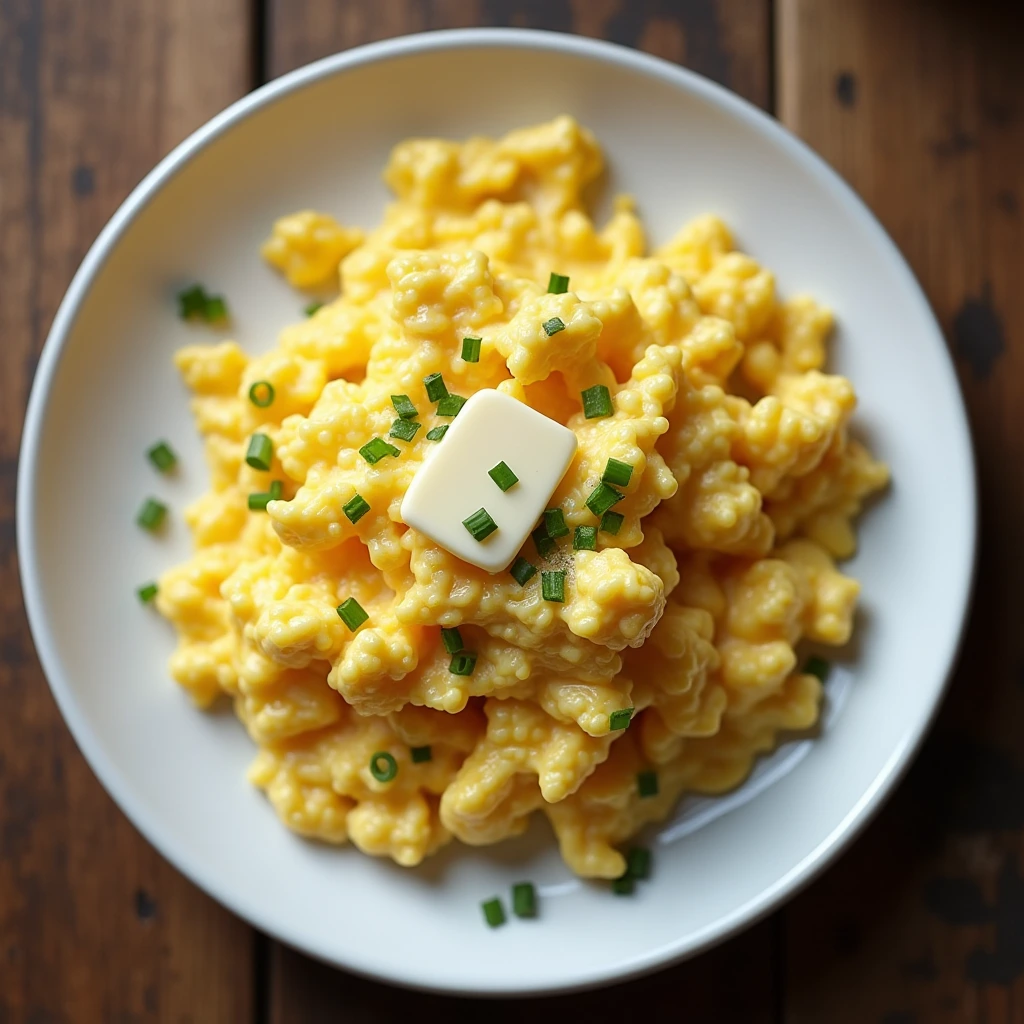
- 4 large eggs – the fresher, the better; fresh eggs hold together more beautifully when cooked.
- 2 tablespoons whole milk or heavy cream – adds richness and helps create that silky texture. Swap with unsweetened plant-based milk for a dairy-free version.
- 1 tablespoon unsalted butter – for cooking; coconut oil or a neutral vegetable oil works as a substitute.
- Salt, to taste – added at the right time (more on that below) to avoid watery eggs.
- Freshly cracked black pepper, to taste – for a warm, aromatic kick.
- Optional mix-ins: shredded cheese, chopped chives, diced tomatoes, sautéed mushrooms, or crumbled feta for extra flavor and texture.
Feel free to get creative here. Scrambled eggs are one of the most forgiving canvases in the kitchen, so don’t be afraid to experiment with what’s already in your fridge.

Timing
This recipe comes together fast, making it perfect for busy mornings or a quick weeknight breakfast-for-dinner moment.
- Prep time: 5 minutes
- Cook time: 8–10 minutes
- Total time: roughly 13–15 minutes
That’s about 30–40% faster than many baked breakfast casseroles or elaborate egg dishes, which often take upwards of 25–30 minutes. The trade-off for that speed is patience during the actual cooking — rushing the process on high heat is the number one reason scrambled eggs turn out tough instead of tender.
Step-by-Step Instructions
Step 1: Crack and Whisk the Eggs
Crack your eggs into a medium mixing bowl, then add the milk or cream. Whisk vigorously for about 30 seconds until the mixture is fully combined and slightly frothy. This step incorporates air, which is a big part of what makes scrambled eggs fluffy rather than flat.
Step 2: Warm the Pan Gently
Place a non-stick skillet over low to medium-low heat and add the butter. Let it melt slowly and coat the entire surface of the pan. Avoid cranking the heat up to save time — low and slow is the golden rule for creamy scrambled eggs.
Step 3: Pour in the Egg Mixture
Once the butter is melted and slightly foamy (but not browned), pour in your whisked eggs. Let them sit undisturbed for about 15–20 seconds before you touch them. This gives the eggs a moment to begin setting evenly.
Step 4: Stir Slowly and Consistently
Using a rubber spatula, gently push the eggs from the edges toward the center in slow, folding motions. Keep repeating this every 15–20 seconds. Resist the urge to stir constantly or vigorously, as this can break the curds down too much and lead to a watery, less appealing texture.
Step 5: Remove from Heat Just Before They Look Done
This is the trick most people miss: pull the pan off the heat when the eggs still look slightly underdone and glossy. Residual heat will continue cooking them for another 30–60 seconds, giving you that soft, custardy finish instead of dry, overcooked curds.
Step 6: Season and Serve Immediately
Add your salt, pepper, and any optional mix-ins now. Salting too early can draw out moisture and make the eggs watery, so waiting until the end helps preserve that creamy consistency. Serve right away for the best texture and flavor.
Nutritional Information
Here’s an approximate nutritional breakdown per serving (based on 2 eggs per person, using butter and whole milk):
- Calories: ~210 kcal
- Protein: ~13 g
- Fat: ~16 g
- Carbohydrates: ~2 g
- Cholesterol: ~370 mg
- Sodium: ~180 mg (varies based on added salt)
Eggs are naturally rich in high-quality protein and contain essential nutrients like vitamin B12, choline, and selenium, making this simple dish more nutritionally dense than many people realize.
Healthier Alternatives for the Recipe
If you’re looking to lighten things up or adapt this recipe to specific dietary goals, try these swaps:
- Reduce cholesterol: Use 2 whole eggs plus 2–3 egg whites instead of 4 whole eggs.
- Lower saturated fat: Swap butter for olive oil or a light avocado oil spray.
- Dairy-free option: Replace milk with unsweetened oat or almond milk, and use a plant-based butter alternative.
- Boost the protein and fiber: Fold in spinach, black beans, or a scoop of cottage cheese for extra staying power.
- Lower sodium: Season primarily with herbs, garlic powder, and a light hand of salt instead of pre-seasoned cheeses.
These adjustments let you keep the same comforting flavor while tailoring the dish to your personal nutrition goals.
Serving Suggestions
Scrambled eggs are wonderfully versatile, so don’t be afraid to dress them up:
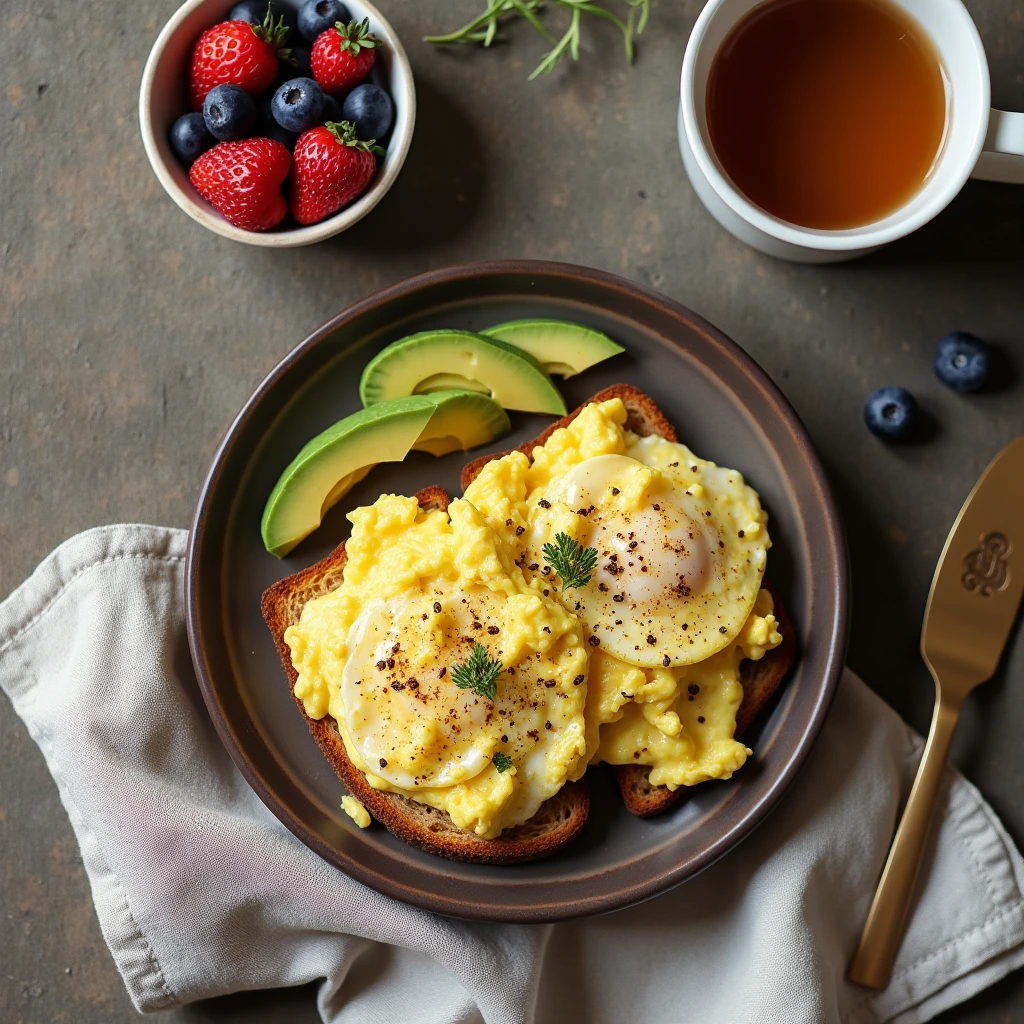
- Serve over whole-grain toast with sliced avocado for a filling, balanced breakfast.
- Pair with fresh fruit like berries or citrus for a refreshing contrast.
- Wrap them in a warm tortilla with salsa and black beans for a quick breakfast burrito.
- Top a breakfast bowl with roasted sweet potatoes, greens, and a drizzle of hot sauce.
- Add them alongside grilled vegetables for a light, savory breakfast-for-dinner plate.
Small touches like fresh herbs or a sprinkle of flaky sea salt right before serving can elevate this humble dish into something that feels genuinely special.
Common Mistakes to Avoid
Even a simple recipe like scrambled eggs has a few common pitfalls:
- Cooking on high heat – This is the most frequent mistake and the main reason eggs turn rubbery. Stick to low or medium-low heat.
- Overmixing while whisking – Whisk just until combined; overdoing it can make the texture less pleasant.
- Salting too early – Adding salt before cooking draws out liquid, leading to watery eggs.
- Overcrowding the pan – Cooking too many eggs at once in a small pan makes it harder to control the texture evenly.
- Leaving them on the heat too long – Since eggs continue cooking after being removed from heat, waiting until they look fully done in the pan usually means they’ll be overcooked on the plate.
Avoiding these small missteps is often the difference between mediocre eggs and genuinely great ones.
Storing Tips for the Recipe
Scrambled eggs are best enjoyed fresh, but if you have leftovers:
- Refrigeration: Store in an airtight container for up to 3 days.
- Reheating: Warm gently in a covered pan over low heat, or microwave in short 15-second bursts, stirring in between to avoid overcooking.
- Freezing: While possible, freezing can change the texture significantly, so it’s best reserved for meal-prep purposes rather than everyday leftovers.
- Prep ahead: You can whisk the eggs and store the mixture in the fridge for up to 24 hours before cooking, which is handy for busy mornings.
Reheating low and slow, just like the original cooking process, helps preserve as much of that creamy texture as possible.
Conclusion
Great scrambled eggs come down to low heat, gentle stirring, and pulling them off the pan a little early. With this method, you’ll get soft, fluffy results every time. Give it a try, then share your thoughts in the comments — and subscribe for more easy recipes.
FAQs
Why are my scrambled eggs watery? This usually happens when salt is added too early, drawing moisture out of the eggs, or when the eggs are overcooked and start releasing liquid as they cool.
Should I add milk or water to scrambled eggs? Milk or cream adds richness and a softer texture, while water can make eggs lighter and fluffier but less creamy. Both are valid depending on your preference.
What’s the best pan for scrambled eggs? A non-stick skillet is ideal because it allows for gentle cooking with minimal oil or butter and makes cleanup much easier.
Can I make scrambled eggs ahead of time? They’re best served fresh, but you can prep the whisked egg mixture in advance and store it in the refrigerator for up to a day before cooking.
How do I keep scrambled eggs from turning gray or green? This discoloration often results from overcooking eggs in a reactive pan or letting them sit too long after cooking. Using a non-stick pan and serving immediately helps prevent this.