Introduction
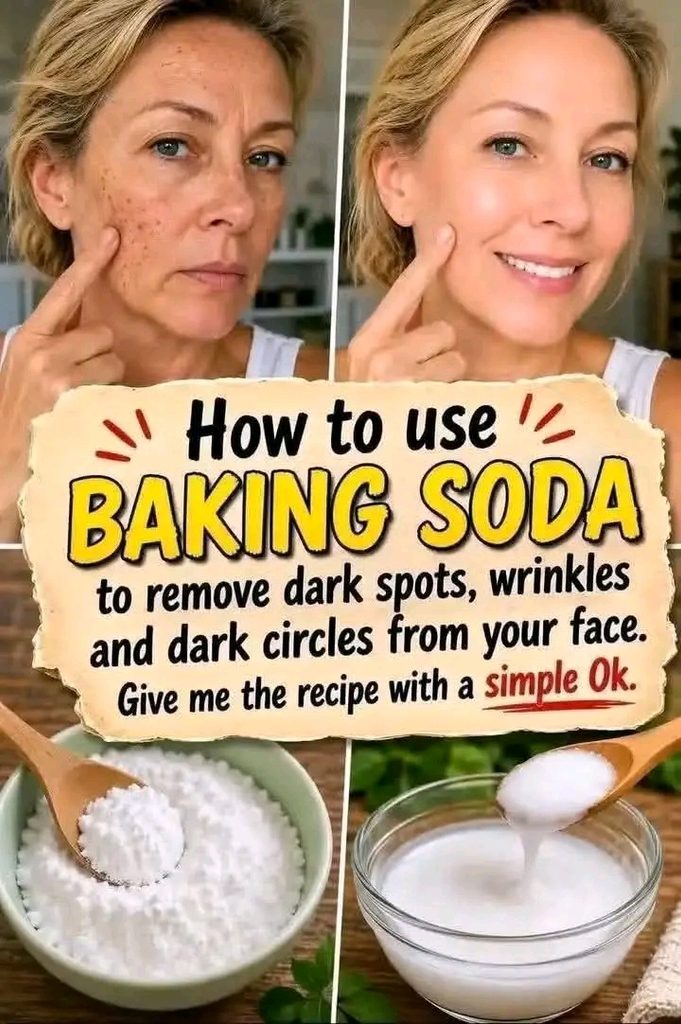
A baking soda face cream is often promoted online as a simple homemade treatment for wrinkles, dark spots, and uneven skin tone. While baking soda is a familiar household ingredient, it is important to understand that applying it directly to the face may irritate the skin and can disrupt its natural protective barrier.
If you are interested in natural skincare, a gentle overnight moisturizing routine may be a safer way to support soft, hydrated, healthy-looking skin. This guide explains how baking soda is sometimes used, why caution is necessary, and which alternatives may be more suitable for concerns such as dryness, fine lines, and uneven-looking skin.
Important: Baking soda is alkaline, while healthy skin has a naturally acidic surface. Frequent use may cause dryness, irritation, redness, or increased sensitivity.
Ingredients List
Instead of a concentrated baking soda face cream, consider this gentler moisturizing skincare blend designed for dry skin.
Ingredients
- 1 tablespoon plain, fragrance-free moisturizer
- ½ teaspoon aloe vera gel
- 2–3 drops of a skin-friendly facial oil, such as squalane or jojoba oil
- Optional: a tiny pinch of baking soda for a rinse-off mixture only—not recommended for sensitive or damaged skin
Possible Substitutions
- Replace aloe vera gel with a fragrance-free hydrating serum.
- Replace jojoba oil with squalane for a lighter texture.
- Use a ceramide-based moisturizer instead of a basic cream for additional barrier support.
- For mature or dry skin, choose a moisturizer containing glycerin, hyaluronic acid, or ceramides.
The goal is a smooth, creamy texture that feels comfortable and moisturizing rather than gritty, harsh, or tingling.
Timing
- Preparation time: 2–3 minutes
- Application time: Approximately 1 minute
- Overnight skincare time: 6–9 hours while sleeping
- Total active preparation time: Less than 5 minutes
A simple skincare routine often takes less than five minutes, making it easy to maintain consistently.
Step-by-Step Instructions
Step 1: Start With Clean Skin
Wash your face with a gentle cleanser and lukewarm water. Avoid harsh scrubbing, especially if your skin is dry, sensitive, or irritated.
Pat the skin dry with a soft towel. Do not rub aggressively, as friction can contribute to irritation.
Step 2: Prepare Your Moisturizing Blend
Place the fragrance-free moisturizer in a clean bowl or container.
Add the aloe vera gel and a few drops of facial oil. Mix gently until the texture is smooth and evenly blended.
If you were considering adding baking soda, remember that it may not be suitable for facial skin. A dermatologist-tested moisturizer is generally a safer choice for an overnight routine.
Step 3: Patch-Test Before Using New Ingredients
Before applying a new skincare mixture to your entire face, test a small amount on a discreet area of skin.
Wait and monitor for redness, itching, burning, swelling, or irritation. If any reaction occurs, rinse the area and discontinue use.
Step 4: Apply a Thin Layer
Using clean fingertips, apply a small amount to the face.
Focus on areas that feel dry, such as the cheeks or forehead. Avoid getting products into the eyes.
A thin layer is usually sufficient. Applying more product does not necessarily produce better results.
Step 5: Leave the Moisturizer on Overnight
Allow the moisturizer to remain on the skin while you sleep.
In the morning, rinse or cleanse gently if needed, then apply a broad-spectrum sunscreen during the day. Daily sun protection is one of the most important steps for helping prevent premature signs of skin aging and the appearance of additional dark spots.
Nutritional Information
Because this is a topical skincare preparation and not a food recipe, nutritional information such as calories, protein, carbohydrates, or fat does not apply.
Instead, here is a practical skincare ingredient overview:
| Ingredient | Common Skincare Role |
|---|---|
| Fragrance-free moisturizer | Helps reduce moisture loss |
| Aloe vera gel | Provides a soothing, lightweight feel |
| Squalane | Supports softness and moisture |
| Jojoba oil | Adds emollient moisture |
| Ceramides | Support the skin barrier |
| Baking soda | Alkaline; may cause irritation and is not ideal for routine facial use |
Healthier Alternatives for the Recipe
If your goal is smoother-looking skin and a more even complexion, consider these alternatives to a baking soda face cream.
Use a Ceramide Moisturizer
Ceramides help support the skin’s natural barrier and can be especially useful for dry or sensitive skin.
Try Hyaluronic Acid
A hydrating serum containing hyaluronic acid can help attract water to the outer layers of the skin, improving the appearance of temporary dehydration-related fine lines.
Consider Niacinamide
Niacinamide is commonly used in skincare products designed to support the skin barrier and improve the appearance of uneven skin tone.
Protect Your Skin From the Sun
Broad-spectrum sunscreen is one of the most useful additions to a skincare routine for helping reduce further sun-related skin damage and discoloration.
Simplify Sensitive-Skin Routines
If your skin reacts easily, choose fragrance-free products and introduce only one new product at a time.
Serving Suggestions
Although this is a skincare recipe rather than a food dish, you can make your routine more enjoyable by turning it into a relaxing evening ritual.
- Apply your moisturizer after a warm—not hot—shower.
- Use a clean headband to keep hair away from your face.
- Apply products with gentle upward and outward motions.
- Use a clean pillowcase regularly.
- Keep your skincare products away from excessive heat and direct sunlight.
Consistency and gentle care are generally more beneficial than aggressive DIY treatments.
Common Mistakes to Avoid
Using Too Much Baking Soda
Baking soda is highly alkaline compared with the skin’s natural surface. Using large amounts or applying it frequently may increase dryness and irritation.
Ignoring Burning or Stinging
A strong burning sensation is not a sign that a skincare product is “working.” Stop using a product if it causes significant discomfort.
Skipping a Patch Test
Natural and household ingredients can still cause allergic reactions or irritation. Always test unfamiliar products first.
Expecting Overnight Wrinkle Removal
No homemade cream can permanently erase wrinkles overnight. Hydration may temporarily improve the appearance of dry, fine lines, but lasting skin changes require realistic expectations and consistent care.
Forgetting Sunscreen
Using expensive creams while skipping sunscreen may undermine efforts to maintain an even-looking complexion and reduce visible signs of photoaging.
Storing Tips for the Recipe
If you mix skincare products at home, prepare only a small amount.
- Store the mixture in a clean, dry container.
- Avoid dipping unwashed fingers into the container.
- Keep it away from direct sunlight and heat.
- Discard the mixture if its smell, color, or texture changes.
- Avoid storing homemade mixtures for long periods because preservatives may be absent.
For maximum product stability, using commercially formulated skincare products according to their labels is generally safer.
Conclusion
A gentle moisturizing routine can support soft, hydrated skin, but baking soda may irritate the face and should not be relied upon to erase wrinkles or dark spots. Choose barrier-friendly products, patch-test new ingredients, use sunscreen, and seek professional advice for persistent skin concerns.
Have you tried a gentle overnight skincare routine? Share your experience in the comments or review section, and subscribe for more skincare and wellness updates.
FAQs
Can baking soda remove wrinkles?
There is no reliable evidence that baking soda permanently removes wrinkles. It may also irritate the skin and disrupt the natural skin barrier.
Can baking soda remove dark spots?
Baking soda is not a proven treatment for dark spots or hyperpigmentation. Repeated irritation can sometimes make discoloration worse, especially in sensitive skin.
Is it safe to leave baking soda on the face overnight?
Leaving baking soda on the face overnight is generally not recommended because its alkaline nature may cause dryness, irritation, and disruption of the skin’s protective barrier.
What is a safer alternative to a baking soda face cream?
A fragrance-free moisturizer containing ingredients such as ceramides, glycerin, or hyaluronic acid is generally a gentler option.
How can I reduce the appearance of dry fine lines?
Keeping the skin moisturized can temporarily improve the appearance of fine lines caused by dehydration. A consistent skincare routine and daily sunscreen can also support healthier-looking skin.
Should I patch-test homemade skincare?
Yes. Apply a small amount to a limited area first and monitor for irritation before applying a product more widely.
When should I see a dermatologist?
Consider seeing a dermatologist if you have persistent dark spots, painful skin reactions, severe irritation, rapidly changing skin lesions, or concerns about wrinkles and pigmentation that do not improve with a gentle skincare