Introduction
If you’ve ever wondered how to use basil beyond a garnish on your pasta, you’re in the right place. This fragrant herb can transform soups, salads, sauces, and even desserts when you know a few simple tricks. Whether you grew a pot on your windowsill or picked up a bunch at the farmers market, this guide will show you exactly how to make the most of every leaf.

Ingredients List
Here’s what you’ll want on hand to get the most out of your fresh basil:
- Fresh basil leaves (about 1 cup, loosely packed) – Look for leaves that are bright green, firm, and free of dark spots. Wilted or blackened leaves have passed their prime.
- Extra virgin olive oil (2–3 tablespoons) – Helps release basil’s essential oils and carries its flavor into dishes. Avocado oil works as a milder substitute.
- Garlic (1–2 cloves) – Adds depth when paired with basil’s peppery sweetness. Garlic powder can stand in if you’re out of fresh cloves.
- Sea salt and cracked black pepper (to taste) – Simple seasonings that let basil’s natural aroma shine.
- Lemon or lime (optional, for a bright finish) – A few drops wake up basil’s flavor in salads and marinades.
- Parmesan cheese (optional) – A classic pairing for pesto or finishing pasta dishes. Nutritional yeast is a good dairy-free swap.
Sensory tip: fresh basil should smell sweet, slightly peppery, and almost minty when you rub a leaf between your fingers. If it smells flat, it’s likely lost its punch.
Timing
- Prep time: 10 minutes
- Cook time: 5–15 minutes (depending on the dish)
- Total time: 15–25 minutes
That’s roughly 30% faster than many herb-based recipes, since basil requires little more than a rinse, a pat dry, and a rough chop before it’s ready to use.
Step-by-Step Instructions
Step 1: Wash and Dry Your Basil Gently
Rinse the leaves under cool water and lay them on a clean kitchen towel or use a salad spinner. Basil bruises easily, so pat rather than rub. Excess moisture can also dilute flavor and speed up wilting, so make sure the leaves are fully dry before storing or chopping.
Step 2: Strip the Leaves From the Stems
Hold each stem at the top and pull downward, or simply pluck the leaves by hand. The stems are edible too and can flavor stocks or infused oils, so don’t toss them right away.
Step 3: Choose Your Cutting Technique
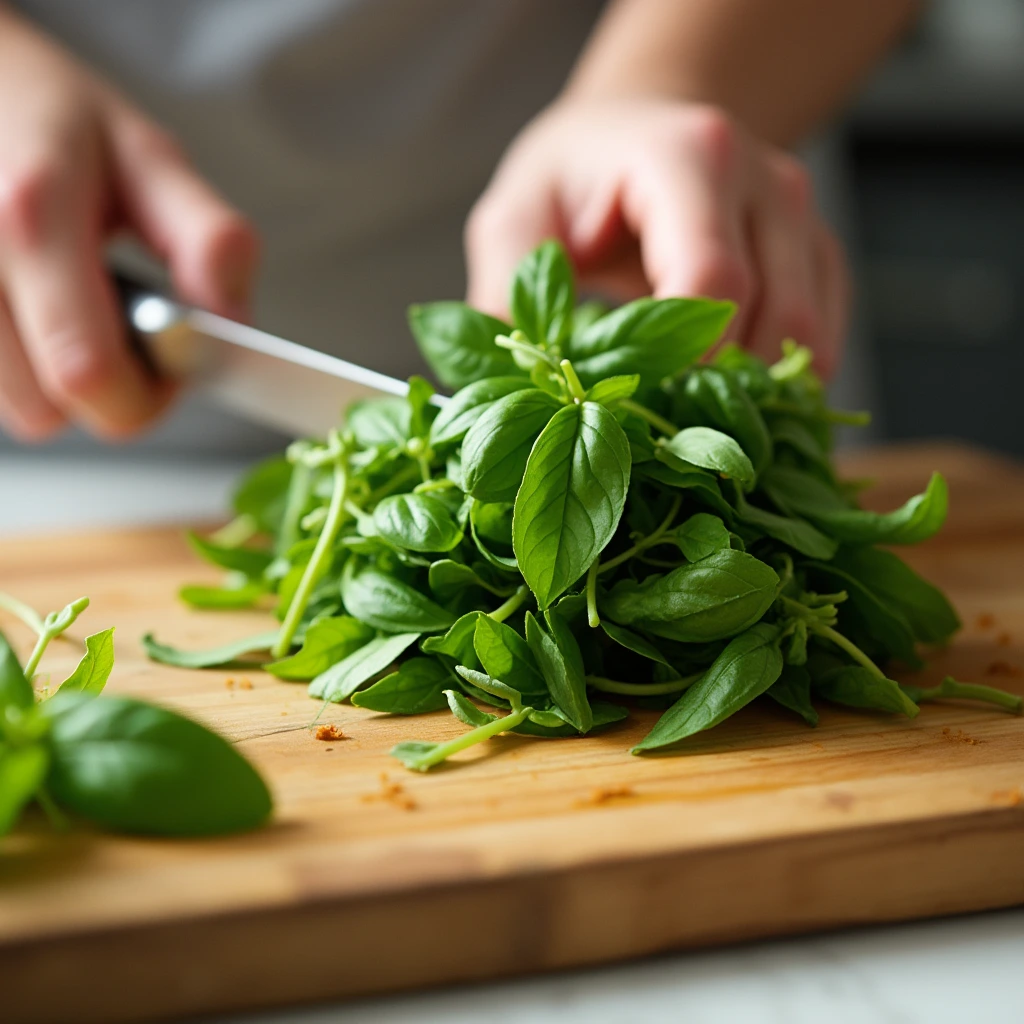
For a delicate garnish, stack a few leaves, roll them tightly, and slice thinly into ribbons — a technique called chiffonade. For heartier dishes like sauces, a rough chop works just fine. Tearing basil by hand, rather than cutting with a knife, can help preserve more of its aroma since metal blades sometimes cause faster browning.
Step 4: Add Basil at the Right Moment
Basil is a delicate herb, so timing matters. Add it toward the end of cooking, or even after you’ve removed a dish from heat, to preserve its bright flavor and vibrant color. Cooking it too long can turn it bitter and dull its signature aroma.
Step 5: Pair It With Complementary Flavors
Basil loves acidity (lemon, tomato, vinegar), richness (olive oil, cheese, cream), and other aromatics like garlic. Experiment with small batches first — a little basil goes a long way, especially in raw preparations like salads or bruschetta.
Step 6: Blend for Sauces or Dressings
If you’re making pesto or a basil vinaigrette, combine basil with oil, garlic, nuts, and cheese in a food processor. Pulse rather than blend continuously to keep the sauce from overheating, which can dull the color and flavor.
Nutritional Information
Fresh basil is more than a flavor booster — it also brings nutritional value to your plate. Per 1 cup of fresh basil leaves (roughly 20–24 grams):
- Calories: about 5
- Vitamin K: around 50% of the daily recommended value
- Vitamin A: roughly 6% of daily value
- Manganese: a good source, supporting bone health and metabolism
- Antioxidants: contains flavonoids like orientin and vicenin, known for their protective properties
Because basil is used in small quantities, it won’t dramatically shift a meal’s calorie count, but it adds meaningful micronutrients and antioxidants at essentially no caloric cost.
Healthier Alternatives for the Recipe
- Swap oil-heavy pesto for a lighter version: Replace half the olive oil with vegetable broth or blanched spinach for a lower-fat pesto that still tastes vibrant.
- Go nut-free: If you’re avoiding tree nuts, sunflower seeds or pumpkin seeds make a great pesto substitute.
- Reduce sodium: Use fresh lemon juice and extra herbs instead of relying on salt or high-sodium cheeses.
- Boost the greens: Blend basil with arugula or kale for an extra nutrient punch without losing that classic basil aroma.
- Dairy-free option: Nutritional yeast delivers a cheesy, umami flavor without dairy, making basil-based sauces vegan-friendly.
Serving Suggestions
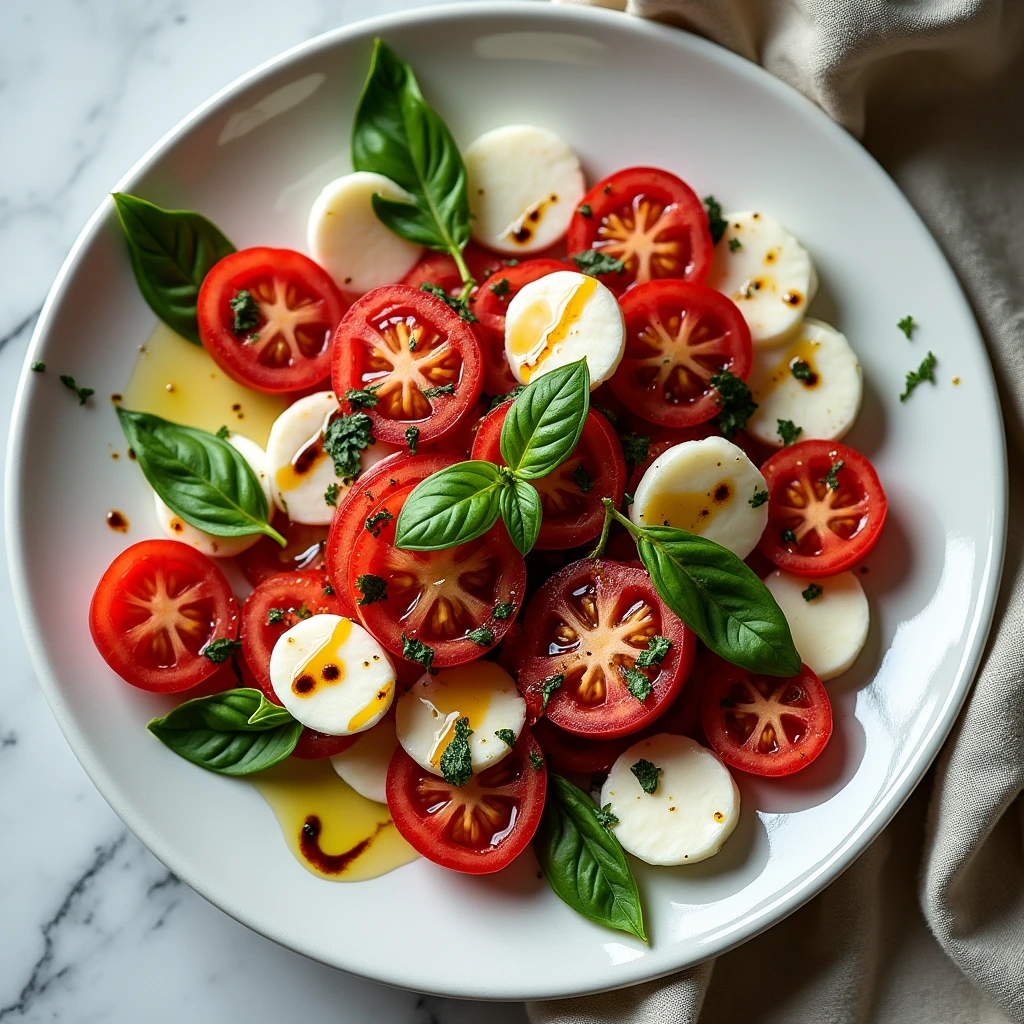
Fresh basil is wonderfully versatile. Try tearing it over a Margherita-style pizza right before serving so the leaves stay vibrant and aromatic. Toss whole leaves into a caprese salad with ripe tomatoes and fresh mozzarella for a simple, elegant starter. Stir chopped basil into scrambled eggs for a fragrant breakfast twist, or muddle a few leaves into lemonade or a cocktail for a refreshing herbal note. For a cozy dinner, whisk basil into a creamy tomato soup just before serving, letting the residual heat gently release its aroma without cooking it down.
Common Mistakes to Avoid
- Chopping basil too early: Cut leaves oxidize and darken quickly. Chop basil just before you plan to use it.
- Using a dull knife: A dull blade bruises the leaves instead of slicing cleanly, leading to faster browning and flavor loss.
- Overcooking: Basil’s flavor compounds are heat-sensitive. Adding it too early in cooking can leave your dish tasting flat.
- Storing it wet: Excess moisture speeds up spoilage. Always dry basil thoroughly before storing.
- Overcrowding when blending: Packing too much basil into a food processor at once can cause uneven blending and premature browning from friction heat.
Storing Tips for the Recipe
To keep fresh basil at its best, treat it more like a bouquet than a bagged herb. Trim the stems and place them in a jar with about an inch of water, then loosely cover the leaves with a plastic bag and leave it at room temperature, away from direct sunlight — basil doesn’t love the cold and can blacken in the fridge. Change the water every couple of days, and it should stay fresh for up to a week.
If you have more basil than you can use in time, freezing is a great option. Blend leaves with a little olive oil and freeze the mixture in ice cube trays, then transfer the cubes to a freezer bag once solid. This method locks in flavor for up to six months and gives you ready-to-use basil cubes for soups, sauces, and dressings anytime.
Conclusion
Fresh basil brings bold flavor and real nutritional value with minimal effort. From simple garnishes to homemade pesto, these tips help you use, store, and enjoy basil at its peak. Try it in your next recipe, and let us know how it turns out in the comments below!
We’d love to hear how you used your basil — share your results in the comments, leave a review, or subscribe for more fresh, practical cooking tips delivered straight to your inbox.
FAQs
Can I substitute dried basil for fresh basil? Yes, but use less — dried basil is more concentrated. A general rule is 1 teaspoon of dried basil for every tablespoon of fresh, though the flavor profile will be slightly different since drying changes basil’s aromatic compounds.
Why did my basil turn black? Basil blackens from cold exposure, bruising, or prolonged contact with metal utensils. Store it at room temperature and handle it gently to keep it green longer.
Can I use basil stems? Absolutely. While the leaves are more tender and flavorful, the stems can be simmered in broths, sauces, or infused oils to extract extra flavor before being strained out.
How do I keep pesto from turning brown? A thin layer of olive oil on top of stored pesto helps block air exposure, which is the main cause of browning. A squeeze of lemon juice blended in can also help slow oxidation.
Is Thai basil the same as sweet basil? No. Thai basil has a more anise-like, slightly spicy flavor and holds up better to high heat, while sweet basil (the most common variety) has a milder, sweeter taste best suited for raw or lightly cooked dishes.