Introduction
If you’ve ever wondered how to use cilantro to bring a burst of fresh, citrusy flavor to your cooking, you’re in the right place. This humble herb shows up in kitchens all over the world, from taco trucks to curry houses, and once you know how to handle it properly, it can transform an ordinary dish into something memorable. Whether you love it or you’re one of the people who swears it tastes like soap (more on that later), this guide will help you get the most out of every bunch.
Cilantro, also known as coriander leaves or Chinese parsley depending on where you live, is one of those ingredients that rewards a little bit of know-how. It bruises easily, wilts fast, and loses its punch if it’s added at the wrong point in cooking. But once you understand its quirks, it becomes one of the easiest ways to elevate a homemade meal without much extra effort or cost.
In this post, we’ll walk through everything from selecting and storing cilantro to a simple, versatile recipe that shows off its flavor, plus tips on substitutions, nutrition, and common mistakes home cooks make. By the end, you’ll feel confident reaching for that green bunch at the grocery store instead of walking right past it.
Ingredients List
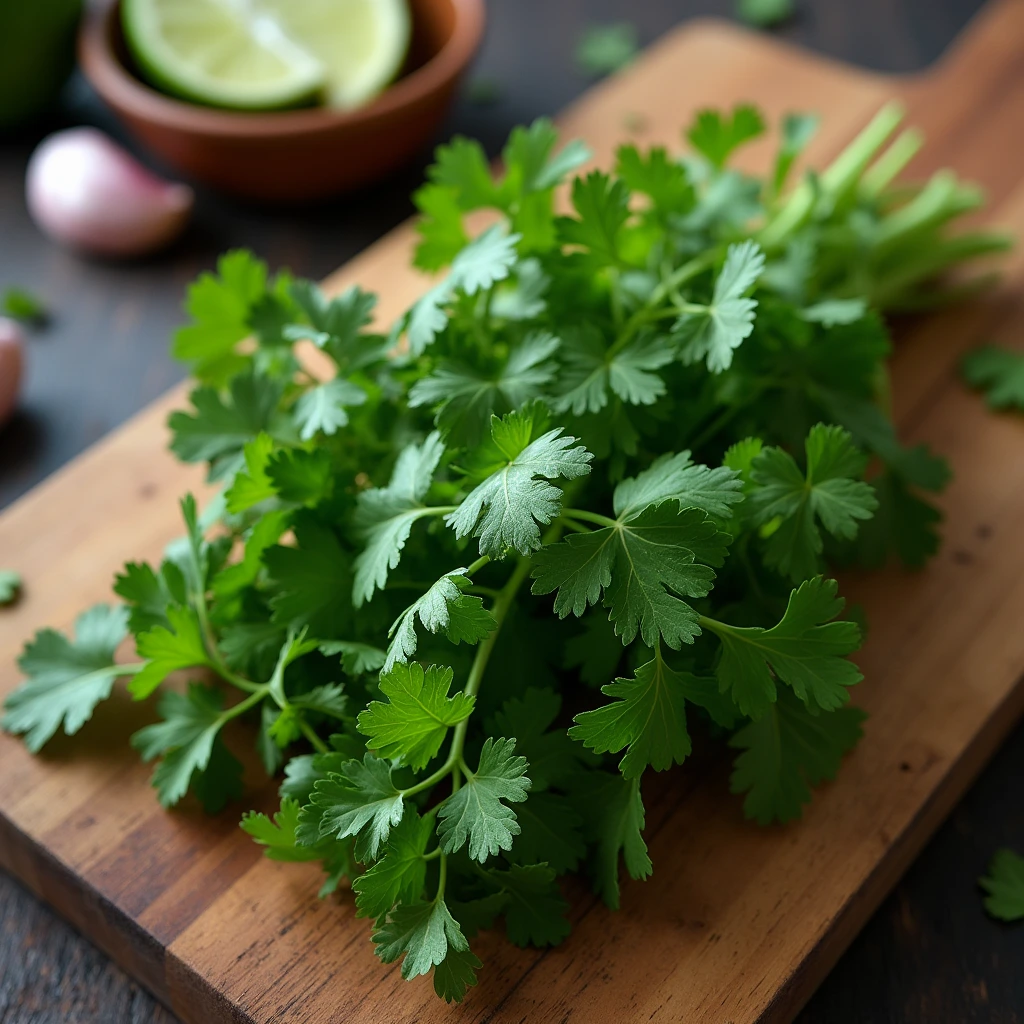
Here’s what you’ll need for a simple, everyday cilantro-lime dressing and garnish that works on tacos, rice bowls, grilled meats, soups, and salads. Think of this as your starter template for learning how to use cilantro in almost anything.
- 1 large bunch fresh cilantro (leaves and tender stems) — the stems carry a lot of flavor, so don’t toss them
- 2 cloves garlic, roughly chopped — substitute with ½ teaspoon garlic powder if you’re in a pinch
- 1 jalapeño, seeds removed for a milder kick (leave them in if you like heat)
- Juice of 2 limes — fresh is best, but bottled lime juice works in a squeeze
- ¼ cup extra virgin olive oil — avocado oil is a great neutral substitute
- 2 tablespoons plain Greek yogurt or sour cream — for creaminess (skip for a dairy-free, oil-based version)
- ½ teaspoon ground cumin
- Salt and pepper, to taste
- 1 tablespoon water, or more to thin the consistency
The smell alone as you blend this together is enough to make your kitchen feel like a taqueria. Bright, herbaceous, and a little sharp from the lime, this dressing is proof that a handful of simple ingredients can pack a serious flavor punch.
Timing
- Prep time: 10 minutes
- Cook time: 0 minutes (this is a no-cook recipe)
- Total time: 10 minutes
That’s roughly 80% faster than the average homemade dressing or sauce recipe, which typically takes closer to 45 minutes when you factor in simmering or reducing. Because this recipe skips the stove entirely, it’s an easy weeknight win when you’re short on time but still want something that tastes like you put in effort.
Step-by-Step Instructions
Step 1: Wash and Dry the Cilantro Thoroughly
Cilantro often carries hidden grit and sand in its leaves, so give it a good soak in a bowl of cold water, swish it around, and let any dirt sink to the bottom. Lift the cilantro out (don’t pour the bowl out over it, or you’ll just dump the grit right back on) and pat it dry with a clean towel or use a salad spinner. Damp cilantro dilutes flavor and can make your dressing watery, so this step matters more than it seems.
Step 2: Trim and Roughly Chop
Cut off the very bottom of the stems where they look tough or discolored, but keep the rest of the stems intact. This is one of the biggest tips for learning how to use cilantro efficiently: the stems are just as flavorful as the leaves and blend down smoothly, so there’s no need to pick leaves one by one.
Step 3: Add Everything to a Blender or Food Processor
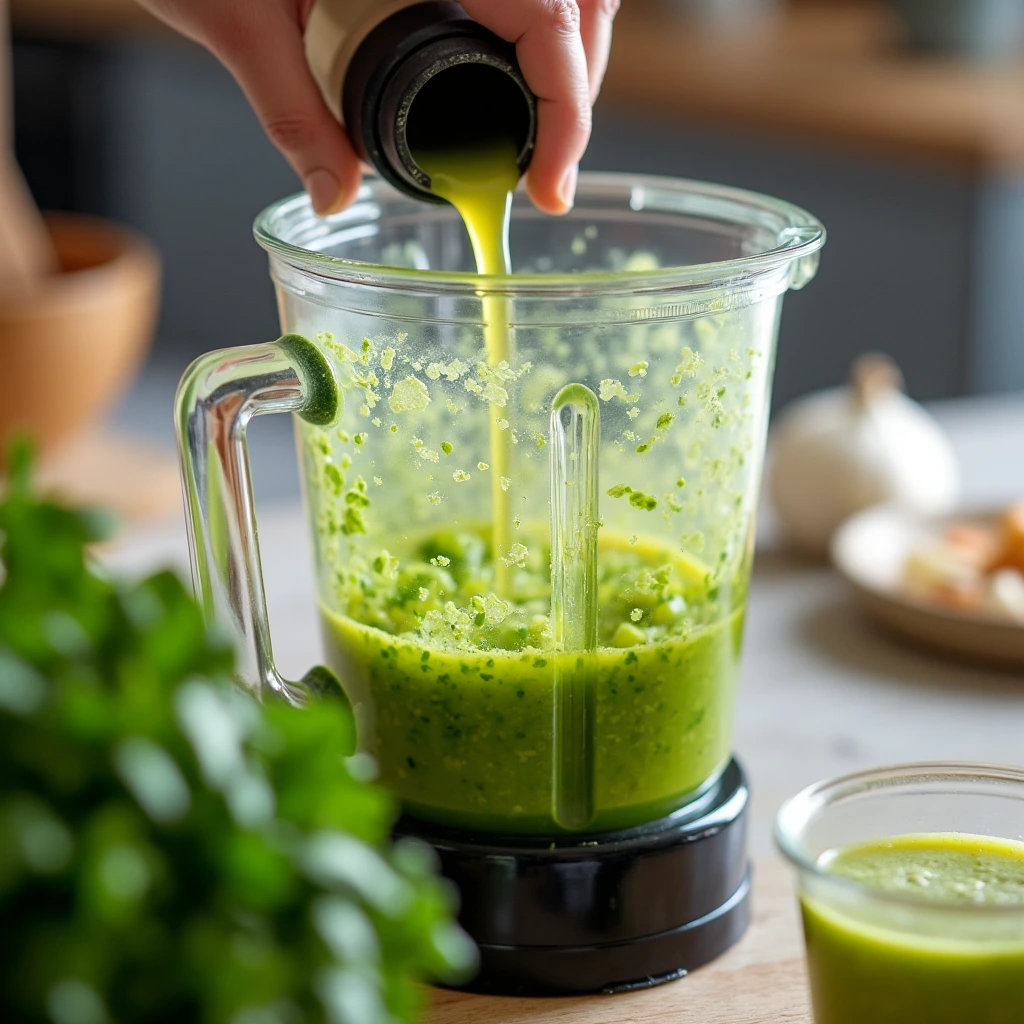
Combine the cilantro, garlic, jalapeño, lime juice, olive oil, yogurt, cumin, salt, and pepper in your blender. Pulse a few times before running it continuously, which helps break down the tougher stems evenly instead of leaving chunks stuck to the sides.
Step 4: Blend Until Smooth
Blend on high for about 30 to 45 seconds, scraping down the sides once halfway through. If the mixture feels too thick, add water one tablespoon at a time until you reach a pourable, dressing-like consistency.
Step 5: Taste and Adjust
This is the step people skip, and it’s the one that separates a good dressing from a great one. Taste it. Need more brightness? Add another squeeze of lime. Want more depth? A pinch more salt often does the trick. Personalizing the seasoning here is what makes the recipe truly yours.
Step 6: Chill Before Serving
Let the dressing sit in the fridge for at least 15 minutes before serving. This resting time allows the flavors to meld together, giving you a more rounded, cohesive taste instead of individual ingredients competing for attention.

Nutritional Information
Here’s an approximate breakdown per 2-tablespoon serving of the dressing:
| Nutrient | Amount |
|---|---|
| Calories | 60 kcal |
| Total Fat | 6g |
| Saturated Fat | 1g |
| Carbohydrates | 2g |
| Fiber | 0.5g |
| Sugar | 0.5g |
| Protein | 1g |
| Vitamin K | 15% of Daily Value |
| Vitamin C | 8% of Daily Value |
Cilantro itself is notably low in calories while offering a meaningful dose of vitamin K, which supports bone health, along with antioxidants that have been studied for their potential anti-inflammatory properties. Because this recipe uses fresh herbs and citrus rather than processed thickeners, it delivers flavor without the empty calories found in many bottled dressings.
Healthier Alternatives for the Recipe
- Swap Greek yogurt for silken tofu if you want a plant-based, protein-rich version that’s still creamy.
- Use half the olive oil and replace the rest with vegetable broth to cut fat content while keeping the dressing pourable.
- Add a handful of spinach to boost the nutrient density without changing the flavor profile much, since cilantro’s strong taste covers milder greens well.
- Reduce the salt and lean on lime juice and garlic for flavor if you’re watching sodium intake.
- Use avocado in place of oil and yogurt for a naturally creamy, heart-healthy fat source that also adds a subtle richness.
These small swaps let you keep the dish adaptable, whether you’re cooking for someone managing cholesterol, following a plant-based diet, or just trying to eat a little lighter this week.
Serving Suggestions
This cilantro dressing is one of those recipes that earns its keep because it works in so many places:
- Drizzle it over grilled chicken, shrimp, or steak tacos for an instant flavor upgrade.
- Toss it with shredded cabbage and carrots for a quick, crunchy slaw.
- Spoon it over a rice or quinoa bowl with black beans, corn, and avocado for a satisfying vegetarian lunch.
- Use it as a dip for tortilla chips or fresh vegetables at your next gathering.
- Spread a thin layer on a wrap or sandwich in place of mayonnaise for a fresher bite.
If you’re hosting friends, set it out in a small bowl alongside grilled meats and let people help themselves. It’s the kind of condiment that quietly disappears because everyone keeps coming back for more.
Common Mistakes to Avoid
- Adding cilantro too early in cooked dishes. Because it’s a delicate herb, cilantro loses much of its aroma when exposed to prolonged heat. Stir it in near the end of cooking or use it as a fresh garnish instead.
- Throwing away the stems. Many home cooks trim off and discard the stems, missing out on a good portion of the herb’s flavor. The stems are tender enough to blend or finely chop.
- Not washing thoroughly enough. Cilantro is grown low to the ground and can hold onto sand, so a quick rinse under the tap often isn’t enough.
- Overpowering other ingredients. Cilantro has a strong flavor, so a little goes a long way. Start with less than you think you need, then add more to taste.
- Storing it improperly. Leaving cilantro loose in the fridge drawer often leads to wilting within a day or two, which wastes both money and flavor potential.
Storing Tips for the Recipe
To keep fresh cilantro at its best, treat it more like a bouquet of flowers than a vegetable. Trim the stems slightly and place the bunch upright in a glass or jar with about an inch of water. Loosely cover the leaves with a plastic bag and store it in the refrigerator. This method can keep cilantro fresh for up to two weeks, compared to just a few days when it’s left in its original plastic packaging.
If you’ve already made the dressing, store it in an airtight container in the fridge for up to five days. The color may darken slightly over time due to oxidation, but the flavor holds up well. For longer storage, freeze the dressing in ice cube trays, then transfer the frozen cubes to a freezer bag. This gives you pre-portioned bursts of flavor ready to drop into soups, marinades, or sauces whenever you need them, lasting up to three months in the freezer.
Conclusion
Learning how to use cilantro opens the door to brighter, fresher home cooking. With proper storage, smart timing, and a versatile dressing recipe, this humble herb becomes a kitchen staple. Try it, share your feedback below, or subscribe for more flavorful recipe ideas.
FAQs
Why does cilantro taste like soap to some people? This comes down to genetics. A specific gene variant affects how certain people perceive the aldehydes in cilantro, making it taste soapy rather than fresh and citrusy. If this is you, try substituting fresh parsley or basil in recipes for a similar herbaceous quality without the soapy taste.
Can I use dried cilantro instead of fresh? Dried cilantro loses much of the essential oils that give the fresh herb its distinctive aroma, so it’s not a strong substitute in recipes where cilantro is the star, like this dressing. It can work in a pinch for soups or stews where it’s a background note rather than the main flavor.
How do I keep cilantro from wilting so quickly? Store it upright in a jar of water in the fridge, loosely covered with a plastic bag, and change the water every few days. This simple method mimics how you’d care for cut flowers and can extend freshness significantly.
Is cilantro the same as coriander? In American English, cilantro refers to the leaves and stems of the plant, while coriander typically refers to the dried seeds used as a spice. In British English, however, the whole plant, including the leaves, is often called coriander.
Can I freeze fresh cilantro? Yes. While freezing changes its texture, making it unsuitable as a garnish, it works well for cooked dishes. Chop it and freeze it in ice cube trays with a bit of water or oil, then use the cubes directly in soups, sauces, or stir-fries.
What dishes pair best with cilantro? Cilantro is especially popular in Mexican, Indian, Thai, and Vietnamese cuisines. It pairs beautifully with lime, chili, garlic, and coconut, making it a natural fit for tacos, curries, pho, and fresh salsas.