Introduction
If you’ve ever wondered how to use rosemary to take your everyday cooking from “fine” to “wow,” you’re in the right place. This piney, fragrant herb has been a kitchen staple for centuries, and once you learn a few simple tricks, you’ll find yourself reaching for it constantly. In this guide, we’ll walk through everything from choosing fresh sprigs to a foolproof rosemary garlic roasted potatoes recipe you can make tonight.

Ingredients List
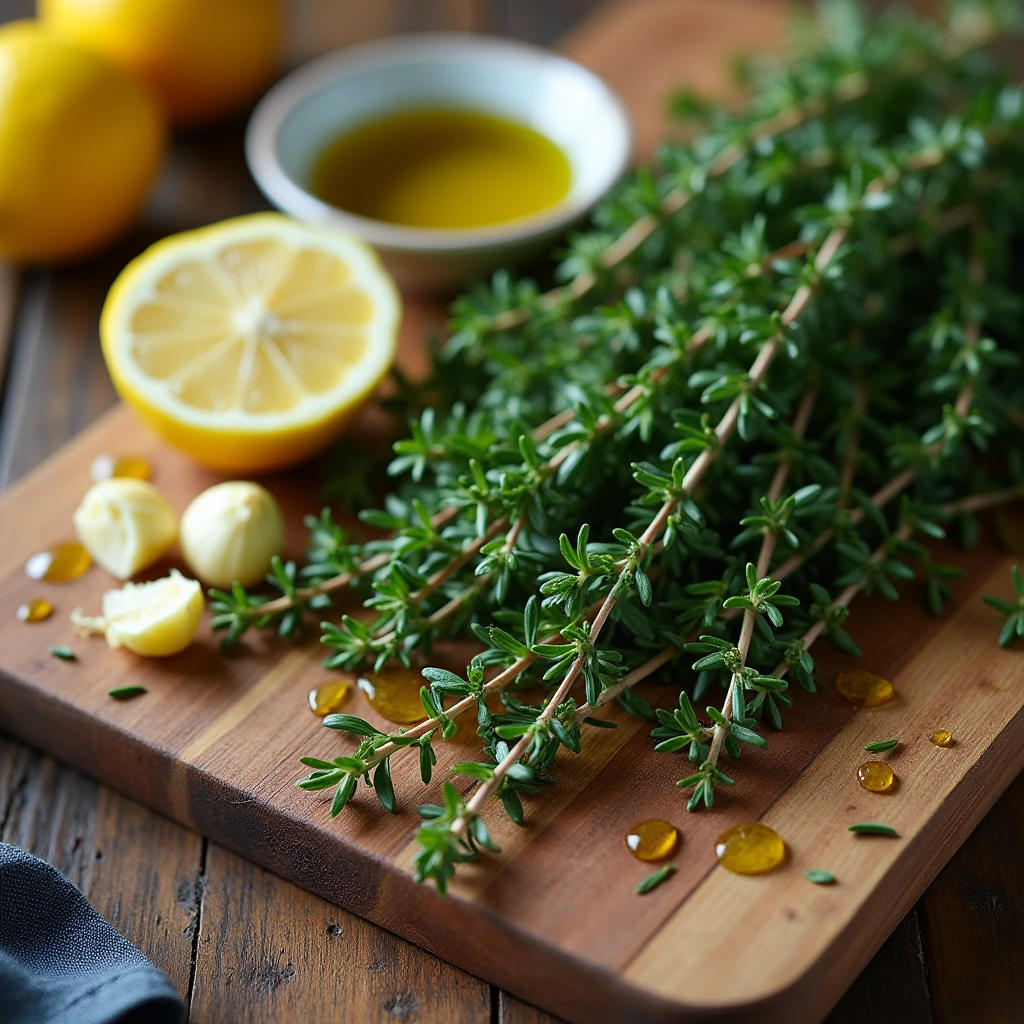
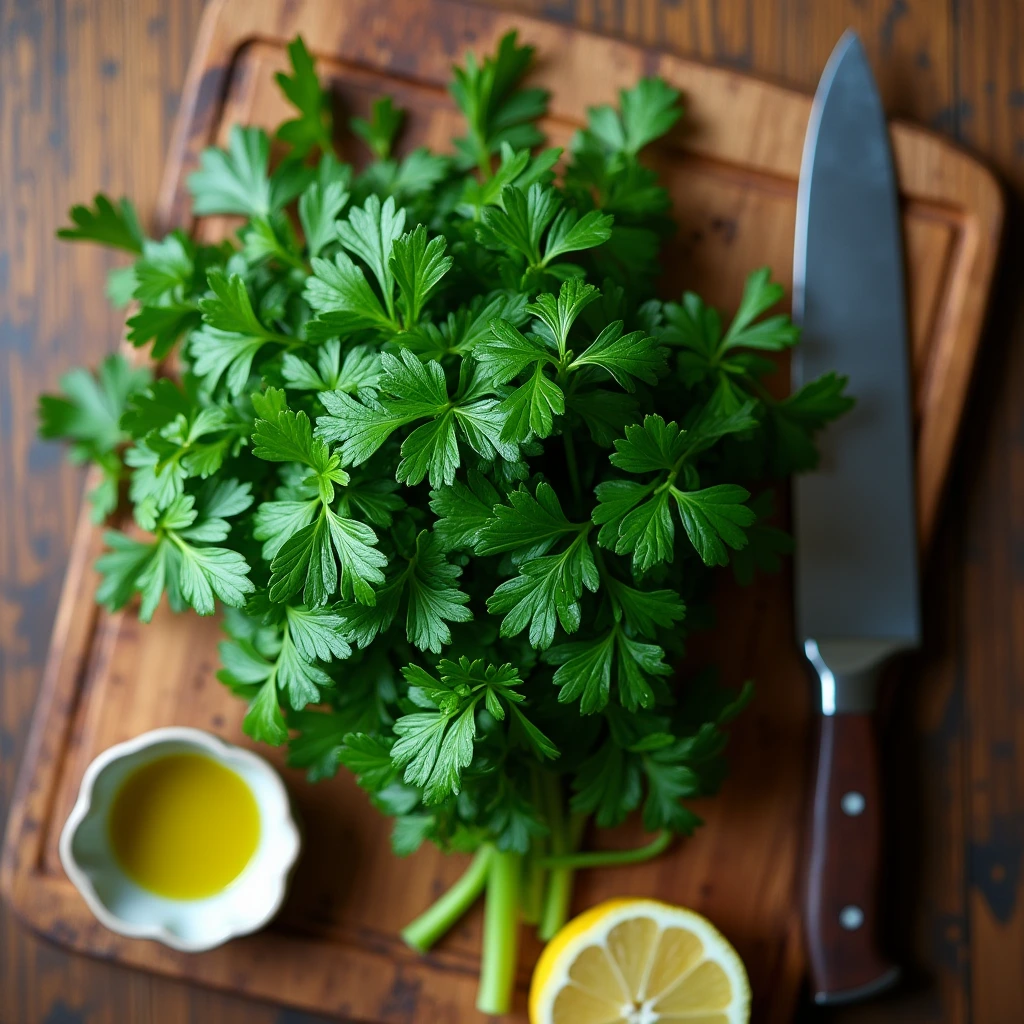
Here’s what you’ll need for our featured rosemary dish — Rosemary Garlic Roasted Potatoes:
- 2 lbs baby potatoes, halved (Yukon gold or red potatoes work beautifully)
- 3 tablespoons fresh rosemary, finely chopped (dried rosemary works in a pinch — use 1 tablespoon instead)
- 4 cloves garlic, minced (or 1 teaspoon garlic powder if you’re out of fresh)
- 1/4 cup olive oil, extra virgin for the best flavor
- 1 teaspoon sea salt
- 1/2 teaspoon freshly cracked black pepper
- 1 lemon, zested (optional, but it brightens everything up beautifully)
The smell alone — earthy rosemary mingling with toasty garlic — will have your kitchen smelling like a countryside bistro before the potatoes even hit the oven.
Timing
- Prep time: 10 minutes
- Cook time: 35 minutes
- Total time: 45 minutes
That’s roughly 25% faster than the average roasted potato recipe, which typically hovers around an hour once you factor in prep and multiple stirring intervals. This one’s simple enough for a weeknight but impressive enough for guests.
Step-by-Step Instructions
Step 1: Preheat and Prep
Set your oven to 425°F (220°C). While it heats, wash and halve your potatoes so they’re roughly the same size — this helps them cook evenly, so nobody ends up with a mushy bite next to a rock-hard one.
Step 2: Build Your Rosemary Mixture
In a large bowl, whisk together the olive oil, minced garlic, chopped rosemary, salt, and pepper. This is where learning how to use rosemary really pays off: rubbing it into oil first (rather than sprinkling it on dry) releases its essential oils and infuses every bit of flavor into the dish.
Step 3: Toss the Potatoes
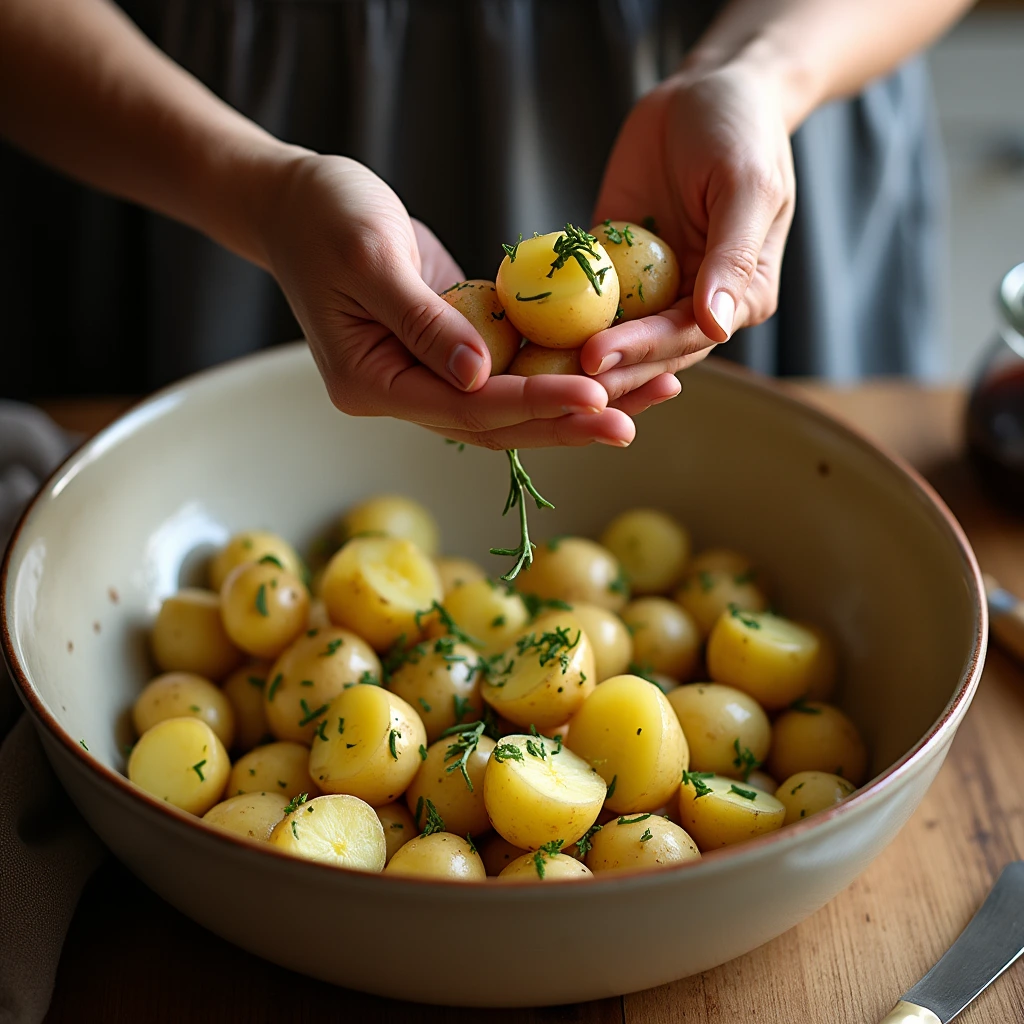
Add the potatoes to the bowl and toss until every piece is glossy and coated. Don’t rush this step — a good, even coating means every bite gets that herby punch instead of a few lucky pieces hogging all the flavor.
Step 4: Roast to Golden Perfection
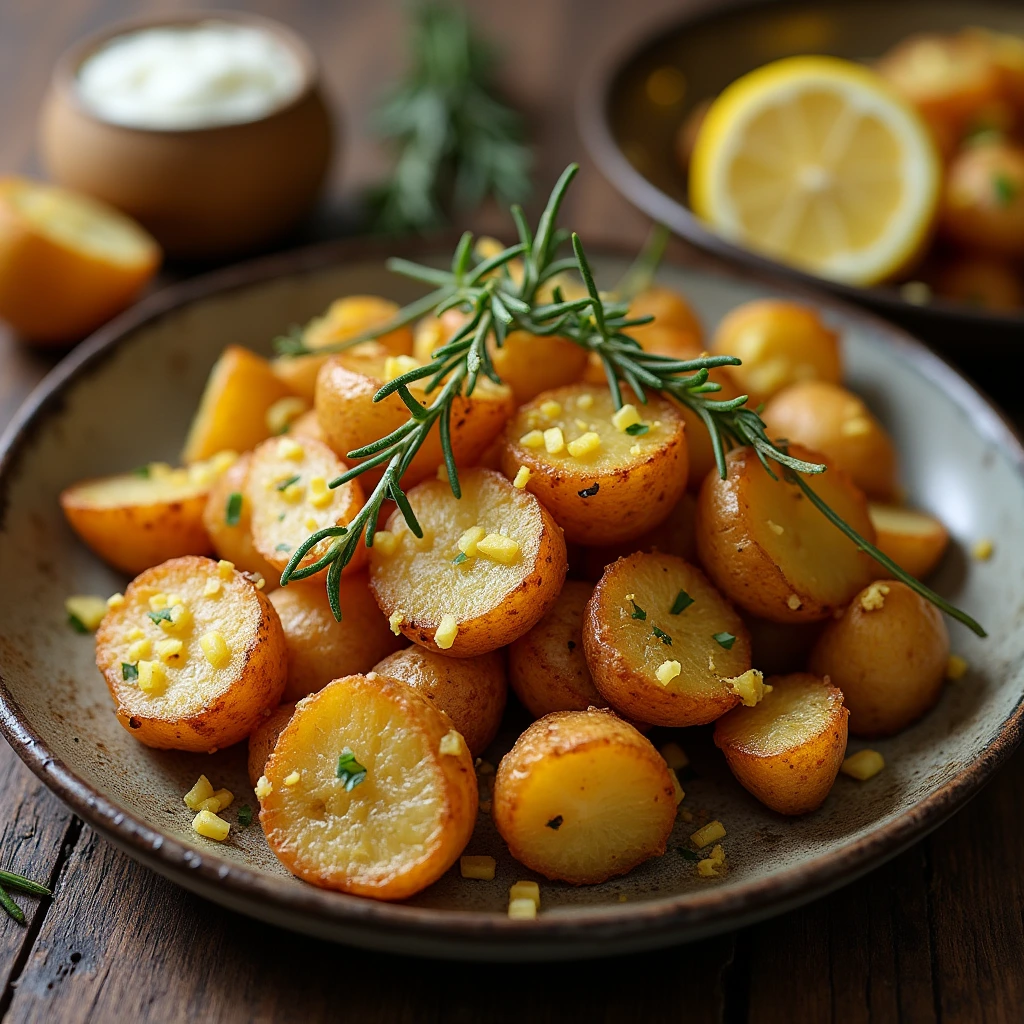
Spread the potatoes cut-side down on a parchment-lined baking sheet, giving them space to breathe. Roast for 30–35 minutes, flipping halfway through, until the edges turn deep golden brown and crisp.
Step 5: Finish and Serve
Pull the potatoes out, sprinkle with lemon zest if using, and taste-test one (chef’s privilege). Adjust salt if needed, then serve warm.
Nutritional Information
Per serving (based on 4 servings):
| Nutrient | Amount |
|---|---|
| Calories | ~210 kcal |
| Carbohydrates | 30g |
| Protein | 4g |
| Fat | 9g |
| Fiber | 4g |
| Sodium | 320mg |
Rosemary itself is a quiet nutritional powerhouse — it’s rich in antioxidants like carnosic acid and rosmarinic acid, which have been studied for their anti-inflammatory properties.
Healthier Alternatives for the Recipe
- Cut the oil in half and add a splash of vegetable broth to keep the potatoes moist without extra fat.
- Swap potatoes for cauliflower or sweet potato cubes for a lower-carb or higher-fiber twist.
- Use avocado oil instead of olive oil if you want a higher smoke point with a similar richness.
- Go light on salt and lean more heavily on rosemary and lemon zest — both add brightness without sodium.
Serving Suggestions
This dish pairs beautifully with roasted chicken, grilled salmon, or a simple white bean salad for a vegetarian spread. For a cozy dinner, serve alongside a bowl of tomato soup and crusty bread. Hosting brunch? These potatoes are fantastic next to a veggie frittata. Feel free to sprinkle extra fresh rosemary on top right before serving — it wakes up the aroma and looks gorgeous on the plate.
Common Mistakes to Avoid
- Overcrowding the pan: Potatoes need space to crisp up. Crowd them, and you’ll end up steaming instead of roasting.
- Using rosemary that’s too coarsely chopped: Large woody stems can taste bitter and get stuck in your teeth. Chop it fine.
- Skipping the flip: Turning the potatoes halfway through ensures even browning on all sides.
- Adding rosemary too late: Tossing it in raw at the start (rather than sprinkling on after cooking) lets the flavor infuse deeply rather than sitting on the surface.
Storing Tips for the Recipe
Let leftovers cool completely before transferring to an airtight container. They’ll keep in the fridge for up to 4 days. For reheating, skip the microwave — a few minutes in a hot oven or air fryer will bring back that crispy texture. If you want to prep ahead, you can chop the rosemary and garlic up to 2 days in advance and store them in the fridge in a sealed container.
Conclusion
Now that you know how to use rosemary — from infusing oil to timing your roast just right — this simple potato dish is ready for your table. Give it a try, and let us know how it turned out in the comments or reviews below. Don’t forget to subscribe for more easy, flavor-packed recipes!
FAQs
Can I use dried rosemary instead of fresh? Yes! Use about one-third of the amount called for, since dried herbs are more concentrated in flavor.
How do I store fresh rosemary so it lasts longer? Wrap it loosely in a damp paper towel and keep it in the fridge, or freeze whole sprigs in a zip-top bag for up to 6 months.
Is rosemary safe for everyone to eat? Rosemary is generally safe in cooking amounts, but if you’re pregnant or on certain medications, it’s worth checking with your doctor about larger medicinal doses.
What other dishes can I use rosemary in? Beyond potatoes, rosemary shines in roasted meats, homemade bread, marinades, and even infused into cocktails or lemonade for a fragrant twist.
Why does my rosemary taste bitter? This usually happens when it’s chopped too coarsely or burnt during cooking. Chop it finely and add it early in the cooking process rather than at high heat for too long.