Introduction
Guava leaves are among the most unusual and fascinating tropical leaves in traditional food and herbal practices. Known for their fresh green color, distinctive aroma, and naturally occurring plant compounds, guava leaves have been used for generations in homemade teas and infusions.
A simple guava leaf tea is easy to prepare with fresh or dried leaves and water. The finished drink has an earthy, herbal flavor that can be enjoyed warm or chilled. This article explains how to prepare guava leaf tea safely, along with nutritional considerations, serving ideas, storage tips, and common mistakes to avoid.
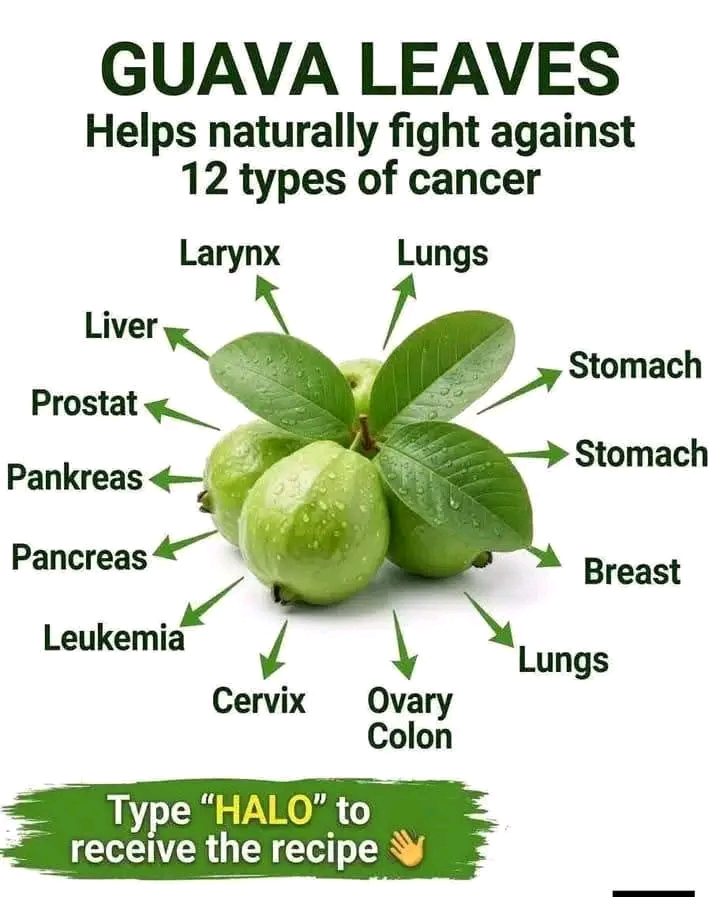
Guava leaves contain naturally occurring plant compounds, including polyphenols and flavonoids. However, traditional use and laboratory research do not mean that guava leaf tea is a proven treatment for any disease. It should be enjoyed as a beverage rather than used as a replacement for medical care.
Ingredients List
To prepare a simple and refreshing guava leaves tea, you will need:
- 5–10 clean, fresh guava leaves
- 2 cups (500 ml) of water
- 1 teaspoon honey, optional
- A slice of lemon, optional
- Fresh ginger, optional
Possible Substitutions
- Fresh guava leaves: Use dried guava leaves if fresh leaves are unavailable. Follow the package instructions because dried leaves can be more concentrated.
- Honey: Replace with maple syrup or another preferred sweetener.
- Lemon: Try lime for a sharper citrus aroma.
- Ginger: Omit it for a milder, more traditional herbal flavor.
Choose leaves that are clean and free from visible mold, heavy pesticide residue, or damage. Fresh leaves should have a pleasant green aroma rather than a musty smell.
Timing
Preparing guava leaf tea requires very little time.
- Preparation time: 5 minutes
- Simmering time: 10–15 minutes
- Cooling time: 5 minutes
- Total time: Approximately 20–25 minutes
This makes the recipe suitable for a quick homemade herbal drink during a busy day.
Step-by-Step Instructions
Step 1: Wash the Guava Leaves Carefully
Rinse the guava leaves thoroughly under clean running water. Gently rub the surface to remove dust and other debris.
If you are unsure how the leaves were grown, it is especially important to avoid using leaves that may have been exposed to unsafe chemicals.
Step 2: Bring the Water to a Boil
Pour 2 cups of water into a small saucepan and bring it to a gentle boil.
Using fresh water can improve the clean, natural taste of the final infusion.
Step 3: Add the Guava Leaves
Place the washed leaves into the boiling water.
Reduce the heat and allow the mixture to simmer gently for approximately 10–15 minutes.
A longer simmer may create a stronger, more bitter flavor.
Step 4: Strain the Tea
Remove the saucepan from the heat and carefully strain out the leaves.
Allow the tea to cool slightly before drinking.
Step 5: Add Optional Flavor
For extra flavor, add a small amount of honey, lemon, or ginger.
Try the tea without sweetener first so you can experience the natural earthy taste of the guava leaf infusion.
Nutritional Information
Guava leaf tea is typically consumed as an herbal infusion, so its exact nutritional content can vary depending on:
- The number of leaves used
- Whether the leaves are fresh or dried
- Brewing time
- Added ingredients
Approximate Characteristics of Plain Guava Leaf Tea
| Nutrient or Characteristic | Approximate Amount |
|---|---|
| Calories | Very low |
| Fat | 0 g |
| Added sugar | 0 g |
| Protein | Minimal |
| Naturally occurring plant compounds | Variable |
Guava leaves contain naturally occurring polyphenols, flavonoids, and other phytochemicals. The amount transferred into a cup of tea varies significantly depending on preparation.
Adding honey or other sweeteners will increase the calorie and sugar content.
Healthier Alternatives for the Recipe
You can adapt guava leaf tea to suit different preferences.
For a Sugar-Free Version
Skip honey and enjoy the natural herbal flavor.
For a Citrus Flavor
Add a slice of fresh lemon or lime after brewing.
For a Spiced Version
Add a small piece of fresh ginger while simmering.
For an Iced Drink
Allow the tea to cool, refrigerate it, and serve over ice.
Remember that adding ingredients can change both the flavor and nutritional profile of the drink.
Serving Suggestions
Guava leaf tea can be enjoyed in several appealing ways.
- Serve warm as part of a relaxing morning or evening routine.
- Pair it with fresh fruit for a light snack.
- Serve chilled over ice on warm days.
- Add a lemon slice for a bright, refreshing presentation.
- Enjoy it without sweetener to appreciate its natural herbal character.
For a more enjoyable experience, start with a mild brew. You can always make future batches stronger if you prefer a more intense flavor.
Common Mistakes to Avoid
Using Leaves From an Unknown Source
Avoid leaves that may have been exposed to pesticides or environmental contamination.
Brewing for Too Long
Over-boiling may produce an unpleasantly bitter taste.
Adding Too Many Leaves
More leaves do not necessarily create a better drink. Start with a moderate amount and adjust according to taste.
Treating the Tea as Medicine
Guava leaf tea should not replace prescribed medication or professional medical treatment. If you have a health condition or take medication, consult a qualified healthcare professional before regularly consuming concentrated herbal preparations.
Ignoring Food Safety
Always wash fresh leaves and use clean utensils and drinking water.
Storing Tips for the Recipe
Freshly prepared guava leaf tea is best enjoyed soon after brewing.
If you have leftovers:
- Allow the tea to cool.
- Store it in a clean, covered container.
- Refrigerate promptly.
- Consume within approximately 1–2 days for the best freshness and flavor.
- Discard the tea if it develops an unusual smell, taste, or appearance.
Fresh guava leaves can also be stored in the refrigerator for a short period. Keep them dry and loosely wrapped to help maintain freshness.
Conclusion
Guava leaves can be used to make a simple, aromatic herbal tea with an earthy flavor and naturally occurring plant compounds. Try this easy recipe, share your experience in the comments or review section, and subscribe for more recipe updates.
FAQs
What are guava leaves?
Guava leaves are the leaves of the guava tree, a tropical plant known for producing guava fruit. The leaves are sometimes used in traditional teas and herbal preparations.
Can I make tea with fresh guava leaves?
Yes. Clean, properly identified fresh guava leaves can be simmered in water to create an herbal infusion.
Can dried guava leaves be used?
Yes. Dried leaves may also be used, but follow the recommended preparation instructions because dried herbal products can vary in strength.
How does guava leaf tea taste?
Guava leaf tea generally has an earthy, herbal taste. The flavor can become stronger or more bitter depending on the number of leaves and brewing time.
Can I drink guava leaf tea every day?
Individual tolerance and health circumstances vary. If you plan to consume herbal tea regularly, especially if you take medication or have a medical condition, consult a healthcare professional.
Are guava leaves a proven cure for diseases?
No. Although guava leaves contain natural plant compounds and have a history of traditional use, they should not be presented as a proven cure for diseases or as a replacement for medical treatment.
Can I add honey and lemon?
Yes. Honey and lemon can make the tea more enjoyable, although they will change its flavor and nutritional profile.
How long does prepared guava leaf tea last?
For best quality, drink it fresh. Refrigerated leftovers are generally best consumed within 1–2 days.
Where should I get guava leaves?
Use properly identified leaves from a trusted source that are suitable for food or tea preparation. Avoid leaves that may have been exposed to pesticides or environmental contamination.