Introduction
Looking for a simple and delicious way to add more vegetables to your meals? This chayote recipe is a light, flavorful option featuring a crisp, mild vegetable that can fit beautifully into a balanced eating pattern.
Chayote, also known as vegetable pear or Sechium edule, is naturally low in calories and provides important nutrients, including fiber, vitamin C, folate, and potassium. While chayote is not a replacement for prescribed medication, including more nutrient-rich vegetables in your diet may support overall heart health, digestion, hydration, and healthy weight management.
This easy recipe transforms fresh chayote into a comforting and flavorful dish with simple ingredients you may already have in your kitchen.

Ingredients List
For approximately 4 servings, you will need:
- 2 medium chayote squash, washed and peeled if desired
- 1 tablespoon olive oil
- 2 cloves garlic, finely minced
- ½ small onion, finely chopped
- ½ teaspoon black pepper
- ½ teaspoon paprika or mild chili powder
- A small pinch of salt, optional
- 1 tablespoon fresh lemon juice
- 2 tablespoons fresh parsley or cilantro
- ¼ cup water or low-sodium vegetable broth
Optional Additions and Substitutions
- Replace olive oil with avocado oil.
- Add tomatoes for extra color and flavor.
- Use red onion instead of white onion.
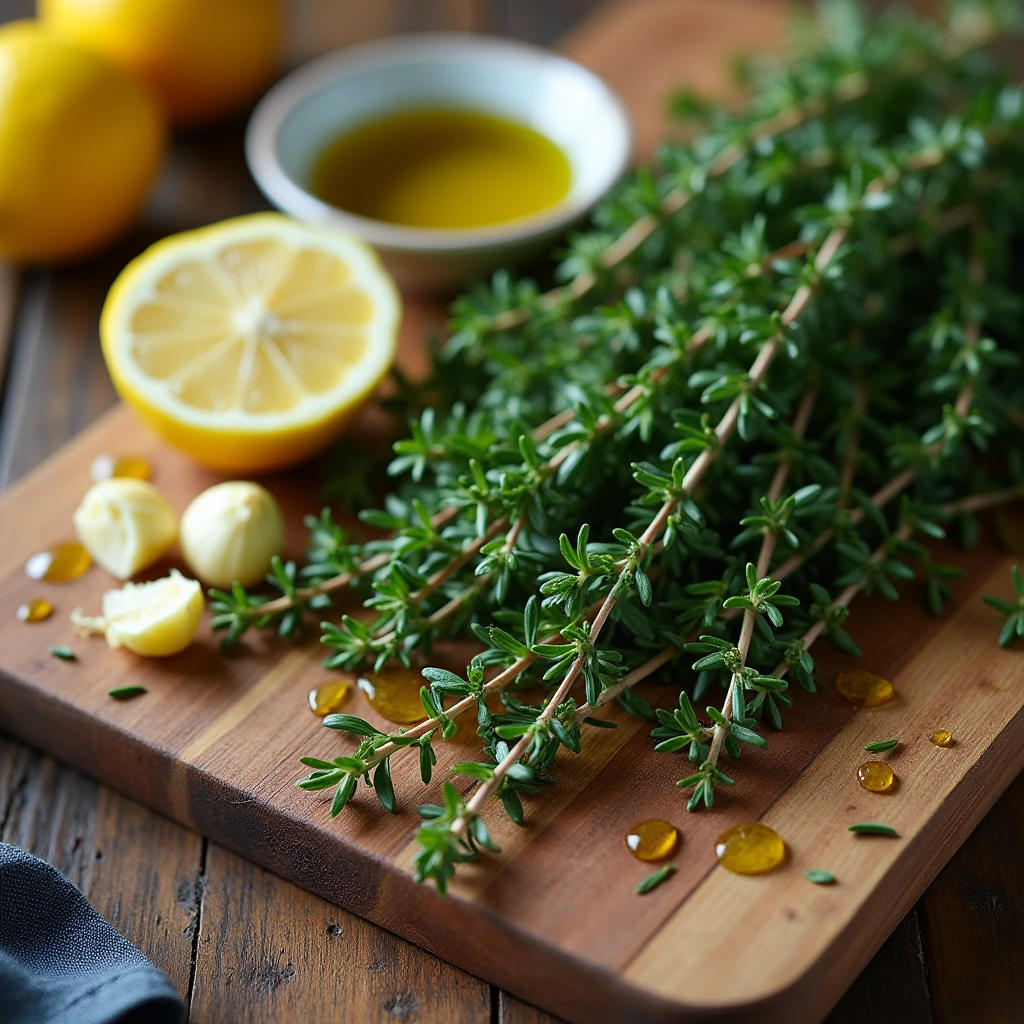
- Add fresh herbs such as basil or thyme.
- For a more filling meal, serve with beans, lentils, chicken, fish, or tofu.
The mild flavor of chayote absorbs herbs and seasonings beautifully, making it an extremely versatile vegetable.
Timing
- Preparation time: 15 minutes
- Cooking time: 15–20 minutes
- Total time: Approximately 30–35 minutes
This makes the recipe a convenient choice for a quick lunch or weeknight dinner. Preparing vegetables at home can also help you control the amount of salt and added fats in your meals.
Step-by-Step Instructions
Step 1: Prepare the Chayote
Wash the chayote thoroughly. Cut it in half, remove the central seed, and slice the flesh into thin pieces or small cubes.
Tip: Some people find chayote releases a sticky sap when cut. Wearing gloves or rinsing your hands afterward can make preparation more comfortable.
Step 2: Sauté the Aromatics
Heat the olive oil in a large pan over medium heat. Add the onion and cook for approximately 3 minutes until it begins to soften.
Add the garlic and stir for another 30 seconds until fragrant.
Tip: Avoid burning the garlic, as it can quickly develop a bitter flavor.
Step 3: Add the Chayote
Add the chopped chayote to the pan. Sprinkle with black pepper and paprika.
Stir everything together so the vegetable is evenly coated with the seasonings.
Step 4: Cook Until Tender
Add the water or low-sodium vegetable broth. Cover the pan and allow the chayote to cook for approximately 10–15 minutes.
The finished chayote should be tender while still maintaining a pleasant texture.
Tip: Add only a small amount of liquid at a time. Chayote naturally contains plenty of water and can become too soft if overcooked.
Step 5: Finish with Fresh Ingredients
Turn off the heat and add fresh lemon juice and chopped parsley or cilantro.
Taste before adding additional salt.
Serve warm and enjoy this simple chayote recipe as a side dish or part of a balanced meal.
Nutritional Information
Nutritional values vary depending on portion size and preparation method. Chayote itself is generally considered a low-calorie vegetable.
A serving of this recipe may provide nutrients such as:
- Fiber: Supports normal digestion and helps promote fullness.
- Vitamin C: An important nutrient involved in normal immune function.
- Folate: Important for normal cell function and development.
- Potassium: A mineral involved in normal muscle and nerve function.
- Water: Chayote has a high water content, contributing to hydration.
- Low calorie content: Makes it a useful addition to balanced meals.
The exact nutritional profile will change depending on the amount of oil, salt, and additional ingredients used.
Healthier Alternatives for the Recipe
This chayote recipe can easily be adapted to different dietary preferences.
For a Lower-Sodium Version
Use fresh herbs, lemon juice, garlic, and spices instead of adding extra salt. This can add plenty of flavor while helping you reduce sodium intake.
For More Protein
Serve chayote with:
- Lentils
- Chickpeas
- Grilled chicken
- Fish
- Tofu
- Eggs
For Extra Fiber
Add beans, leafy greens, tomatoes, or other vegetables.
For a Plant-Based Meal
Serve the chayote over brown rice, quinoa, or alongside seasoned beans.
A varied diet containing vegetables, fruits, legumes, whole grains, and appropriate protein sources can support overall nutritional health.
Serving Suggestions
This versatile dish can be served in many delicious ways:
- Alongside grilled fish or chicken
- With brown rice or quinoa
- Mixed into a vegetable bowl
- Served with beans for a satisfying plant-based meal
- Added to soups or stews
- Combined with other sautéed vegetables
For a fresh presentation, finish with a squeeze of lemon and freshly chopped herbs immediately before serving.
Common Mistakes to Avoid
Overcooking the Chayote
Cooking chayote for too long can make it excessively soft and watery.
Solution: Check the texture after about 10 minutes and continue cooking only as needed.
Using Too Much Salt
Adding too much salt can overwhelm the naturally mild flavor.
Solution: Build flavor with garlic, herbs, lemon, and spices first.
Adding Too Much Water
Chayote contains a significant amount of moisture.
Solution: Start with a small amount of liquid and add more only when necessary.
Expecting Food to Replace Medical Treatment
Nutritious foods can be part of a healthy lifestyle, but no single vegetable should be considered a substitute for treatment prescribed by a qualified healthcare professional.
If you have high blood pressure, anemia, high cholesterol, persistent leg swelling, circulation problems, or ongoing knee pain, seek appropriate medical advice.
Storing Tips for the Recipe
Store cooked chayote in an airtight container in the refrigerator.
For the best quality:
- Refrigerate leftovers promptly.
- Consume within approximately 3–4 days.
- Reheat gently in a pan or microwave.
- Add a small splash of water if the dish becomes dry.
Fresh, uncut chayote should be stored according to its ripeness and the storage recommendations available in your local food safety guidance.
For meal preparation, you can chop the vegetables ahead of time and keep them refrigerated in a sealed container until ready to cook.
Conclusion
This easy chayote recipe is a delicious way to enjoy a low-calorie vegetable rich in valuable nutrients. Try it with your favorite seasonings, share your experience in the comments, and subscribe for more simple, nutritious recipe ideas and updates!
FAQs
Is chayote healthy?
Chayote can be a nutritious addition to a balanced diet. It is generally low in calories and provides nutrients such as fiber, vitamin C, folate, and potassium.
Can chayote replace medication for high blood pressure or cholesterol?
No. Chayote should not replace prescribed medication or medical treatment. If you have high blood pressure, high cholesterol, or another medical condition, follow the advice of your healthcare professional.
Can chayote cure anemia?
No single food can be guaranteed to cure anemia. Anemia has different causes, and appropriate treatment depends on the underlying cause. A healthcare professional can help determine the reason for anemia.
Is chayote good for a low-calorie diet?
Chayote is naturally low in calories and can be incorporated into many balanced eating patterns. Preparation methods and added ingredients will affect the final calorie content.
Can I eat chayote raw?
Chayote can be eaten in different ways depending on the recipe and preparation. Wash it carefully and follow appropriate food safety practices.
How often can I eat chayote?
For most people, chayote can be enjoyed as part of a varied diet. Variety is important, so include different vegetables, fruits, proteins, legumes, and whole grains.
Can chayote help with swollen legs?
Leg swelling can have many causes, some of which require medical attention. Chayote is a food and should not be used as a substitute for diagnosing or treating persistent or unexplained swelling.
What should I do if I have persistent knee pain or poor circulation?
Persistent knee pain, circulation concerns, or leg swelling should be discussed with a qualified healthcare professional, especially if symptoms are sudden, severe, or worsening.