If you have a garden overflowing with cucumbers, this homemade pickle recipe is a delicious way to put them to good use. The key to safe home canning is using a tested pickling recipe with the correct vinegar-to-water ratio rather than improvising the acidity.
Ingredients
For approximately 4 pint jars:
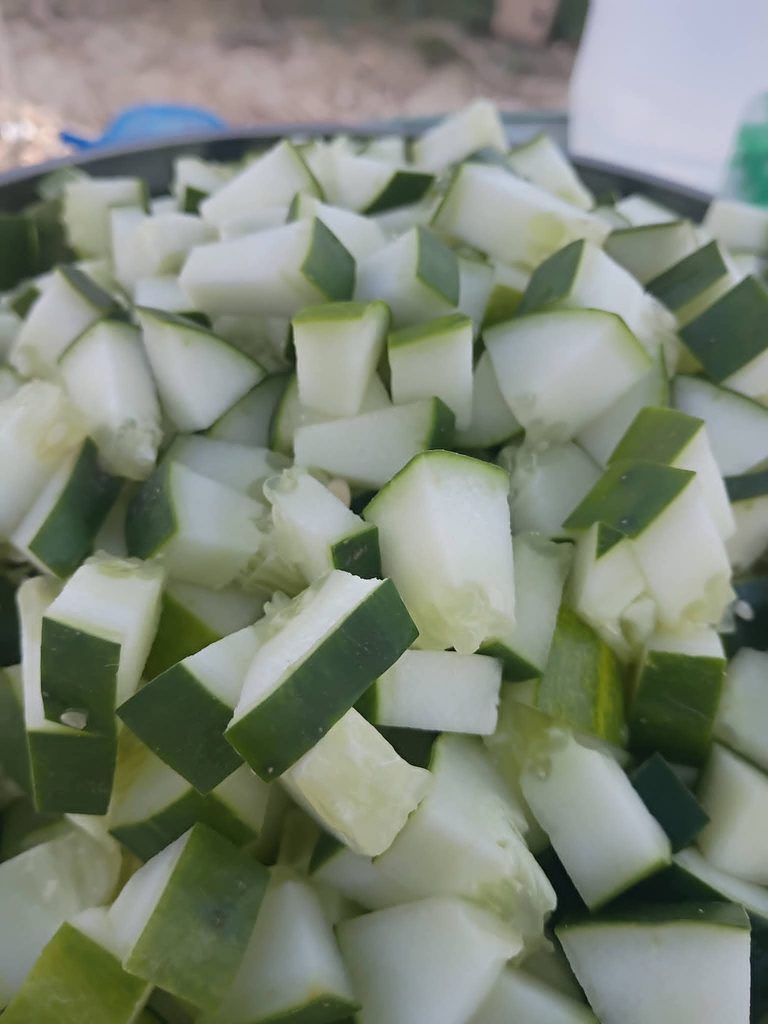
- 2 pounds fresh pickling cucumbers, washed and sliced
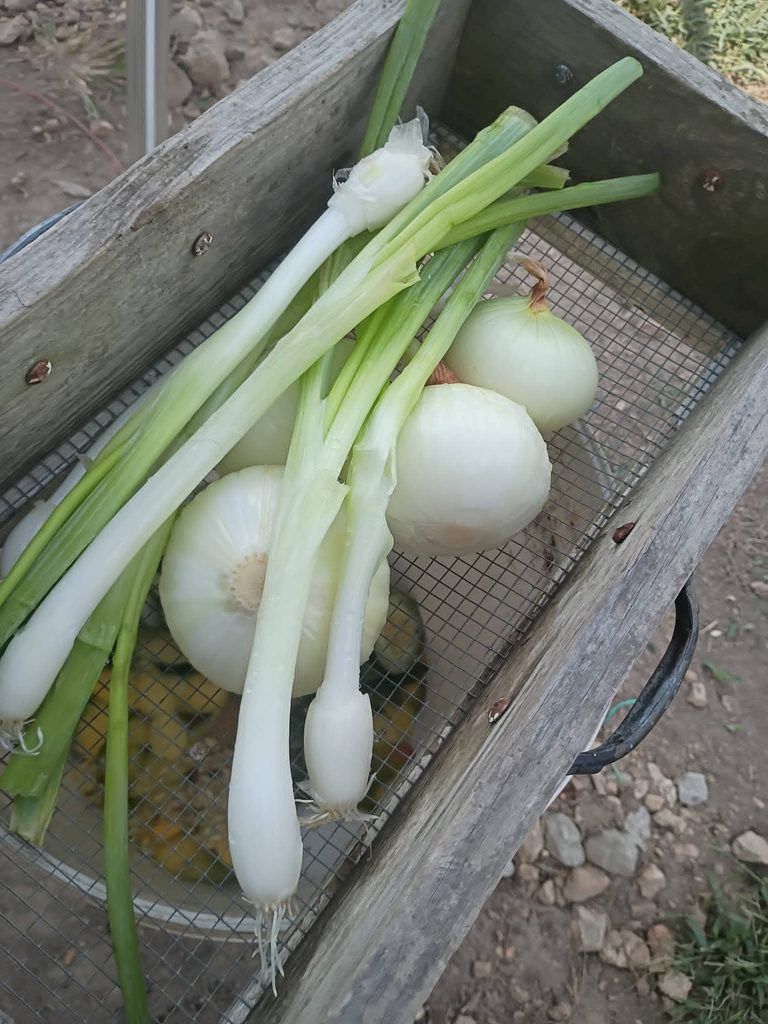
- 1 medium yellow or white onion, thinly sliced
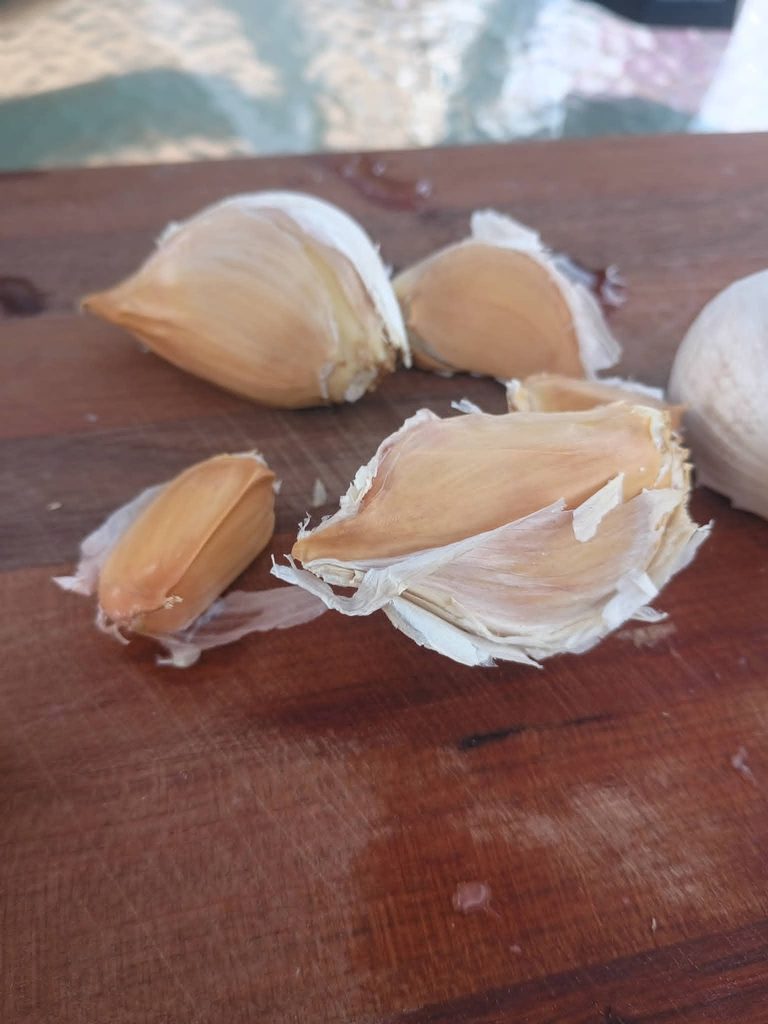
- 4–6 garlic cloves, peeled
- 2 cups 5% acidity white distilled vinegar
- 2 cups water
- 2 tablespoons pickling or canning salt
- 2 tablespoons granulated sugar, optional
- 1 tablespoon mustard seeds
- 1 teaspoon black peppercorns
- 1 teaspoon dill seed
- Fresh dill, optional
Ingredient substitutions
You can use apple cider vinegar with 5% acidity for a slightly fruitier flavor, although it may darken the finished pickles. Red onion can replace yellow onion for a colorful presentation.
Do not reduce the vinegar or change the vinegar-to-water ratio when using a tested canning recipe.
Timing
| Stage | Approximate Time |
|---|---|
| Preparation | 20 minutes |
| Brine preparation | 5 minutes |
| Jar filling | 10 minutes |
| Water-bath processing | According to your tested recipe and altitude |
| Total active time | About 35 minutes |
The exact processing time depends on the tested recipe, jar size, altitude, and canning method you follow.
Step-by-Step Instructions
Step 1: Prepare the Vegetables
Wash the cucumbers thoroughly and trim the blossom ends. Slice them into rounds or spears, depending on how you plan to serve them.
Thinly slice the onion and peel the garlic cloves.
Tip: Removing the blossom end of cucumbers can help reduce enzymes that contribute to soft pickles.
Step 2: Prepare the Pickling Brine
Combine the vinegar, water, salt, sugar if using, mustard seeds, peppercorns, and dill seed in a saucepan.
Bring the mixture to a boil while stirring until the salt dissolves.
The vinegar provides the acidity that is essential for a safe shelf-stable pickled product.
Step 3: Prepare Your Canning Jars
Wash jars, lids, and bands according to current home-canning guidance.
Keep the jars hot until you’re ready to fill them.
Avoid using jars that are chipped, cracked, or damaged.
Step 4: Pack the Cucumbers, Onion, and Garlic
Place the cucumbers, onion, and garlic into the prepared jars, leaving the headspace specified by your tested recipe.
Pack the vegetables firmly but avoid crushing them.
Step 5: Add the Hot Brine
Pour the hot pickling brine over the vegetables, maintaining the recommended headspace.
Remove trapped air bubbles with a nonmetallic bubble remover or appropriate utensil, then wipe the jar rims clean.
Apply the lids and bands according to the manufacturer’s directions.
Step 6: Process the Pickles Safely
Process the filled jars using a boiling-water canner and a tested recipe’s specified processing time.
Processing times vary according to jar size and altitude, so don’t substitute a random processing time from another recipe.
If a jar fails to seal after processing, refrigerate it and use it promptly rather than treating it as shelf-stable.
Step 7: Let the Flavor Develop
Once processed, allow the jars to cool undisturbed according to standard canning guidance.
For the best flavor, many refrigerator-style pickles improve after several days as the vinegar, garlic, onion, and spices mingle with the cucumbers.
Nutritional Information
Approximate nutrition varies considerably depending on the final serving size and how much pickling liquid is consumed.
For a typical serving of pickled vegetables:
- Calories: Low
- Fat: Very low
- Carbohydrates: Primarily from vegetables and any added sugar
- Sodium: Can be relatively high because of the pickling salt
- Fiber: Provides some dietary fiber
- Vitamin K: Cucumbers can contribute vitamin K
- Vitamin C: Vegetables provide small amounts
Pickles can be a flavorful addition to meals, but people following a sodium-restricted diet should pay particular attention to portion size.
Healthier Alternatives for the Recipe
Want to make these pickles fit your eating style?
- Lower-sugar: Omit the optional sugar.
- Lower-sodium: For refrigerator pickles, use a tested reduced-sodium recipe rather than simply reducing salt in a shelf-stable canning recipe.
- More herbs: Add fresh dill for a brighter herbal flavor.
- Extra crunch: Choose small, firm pickling cucumbers.
- More color: Use red onion alongside green cucumbers.
- Gluten-free: The basic ingredients are naturally gluten-free, but check labels on packaged seasonings if needed.
Remember that changing ingredients in a tested canning recipe can affect acidity and safety. For shelf-stable canning, use a recipe specifically tested for the changes you want to make.
Serving Suggestions
These cucumber, onion, and garlic pickles are incredibly versatile.
Serve them:
- Alongside grilled burgers or sandwiches
- With grilled chicken or fish
- On a cheese and cracker board
- Chopped into tuna or egg salad
- With beans, rice, or roasted vegetables
- As a crunchy topping for tacos
- Straight from the refrigerator as a tangy snack
For an especially attractive presentation, serve the colorful cucumber and onion slices in a small glass dish with fresh dill.
Common Mistakes to Avoid
Using Vinegar Without Checking Its Acidity
For home canning, use vinegar with 5% acidity when specified by the tested recipe.
Changing the Vinegar-to-Water Ratio
Never dilute the brine beyond what the tested recipe specifies. Acidity is a critical safety factor.
Using Soft or Damaged Cucumbers
Choose fresh, firm cucumbers. Older or overripe cucumbers can produce disappointing texture.
Ignoring Headspace
Correct headspace helps ensure proper sealing during processing.
Skipping the Processing Step
A jar that merely seals on the counter isn’t necessarily safely processed. Shelf-stable pickles require an appropriate tested canning process.
Guessing the Processing Time
Altitude can affect processing requirements. Follow the processing instructions from a reliable, tested canning source.
Storing Tips for the Recipe
Properly processed and sealed jars should be stored in a cool, dark, dry location and checked periodically for signs of spoilage.
After opening:
- Refrigerate the jar promptly.
- Keep the vegetables covered by the pickling liquid.
- Use clean utensils when removing pickles.
- Follow recommended storage guidance for the specific tested recipe.
- Discard the contents if you notice mold, unusual odors, leaking, bulging, or other signs of spoilage.
For refrigerator pickles that have not been processed for shelf stability, keep them refrigerated from the beginning.
Conclusion
Cucumber, onion, and garlic pickles combine crisp vegetables with a bright, tangy brine for a delicious homemade preserve. Use fresh produce, 5% acidity vinegar, and tested canning instructions for the safest results. Try this recipe, share your experience in the review section or leave a comment on our blog, and subscribe for more updates!
FAQs
Can I use any type of cucumber?
Small, firm pickling cucumbers generally provide the best texture. Large salad cucumbers may contain more seeds and water and can become softer.
Can I add more garlic?
For refrigerator pickles, you have more flexibility, but for shelf-stable canning, follow a tested recipe and don’t make untested ingredient changes.
Can I use apple cider vinegar?
Yes, if it has 5% acidity and the tested recipe permits it. It gives the pickles a slightly different flavor and color.
Why did my pickles become soft?
Softness can result from overripe cucumbers, improper preparation, excessive heating, or storage conditions. Starting with fresh, firm cucumbers helps.
How long before homemade pickles taste their best?
The flavor generally develops as the vegetables sit in the brine. Refrigerator pickles often taste better after several days, while shelf-stable products should follow the resting recommendations of their tested recipe.
Can I reduce the salt?
Don’t simply reduce salt in a shelf-stable canning recipe unless you’re following a tested reduced-sodium formulation. For refrigerator pickles, reduced-sodium recipes are easier to adapt safely.
Do canned pickles need refrigeration?
Properly processed, sealed shelf-stable pickles do not require refrigeration before opening. Once opened, refrigerate them.
Is this recipe suitable for beginners?
Yes, the vegetable preparation is straightforward, but beginners should learn basic water-bath canning practices and use a current, tested recipe for the exact proportions and processing time