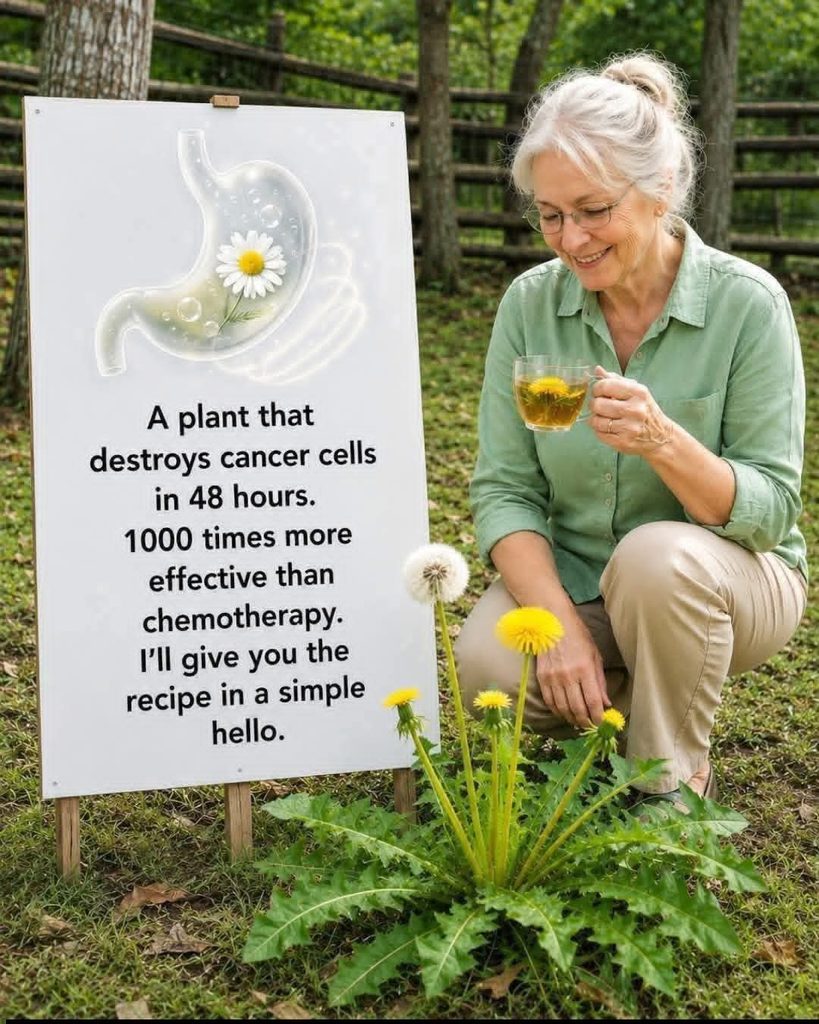
The phrase “plant that destroys cancer cells” has attracted enormous attention online, especially when paired with claims that a particular herb can work within 48 hours or outperform chemotherapy. But these statements can be misleading. Some plants contain compounds that have demonstrated anticancer activity in laboratory or animal studies, yet that does not mean they can safely or effectively treat cancer in people.
One frequently discussed example is Artemisia annua, also known as sweet wormwood. It contains artemisinin, a compound best known medically for its role in treating malaria. Researchers have investigated artemisinin and related compounds for possible anticancer effects, but there is currently no good evidence that drinking a homemade Artemisia preparation can cure cancer or replace chemotherapy.
This article explains what is actually know provides a simple, food-based herbal drink that can be enjoyed as part of a balanced diet—not as a cancer treatment.
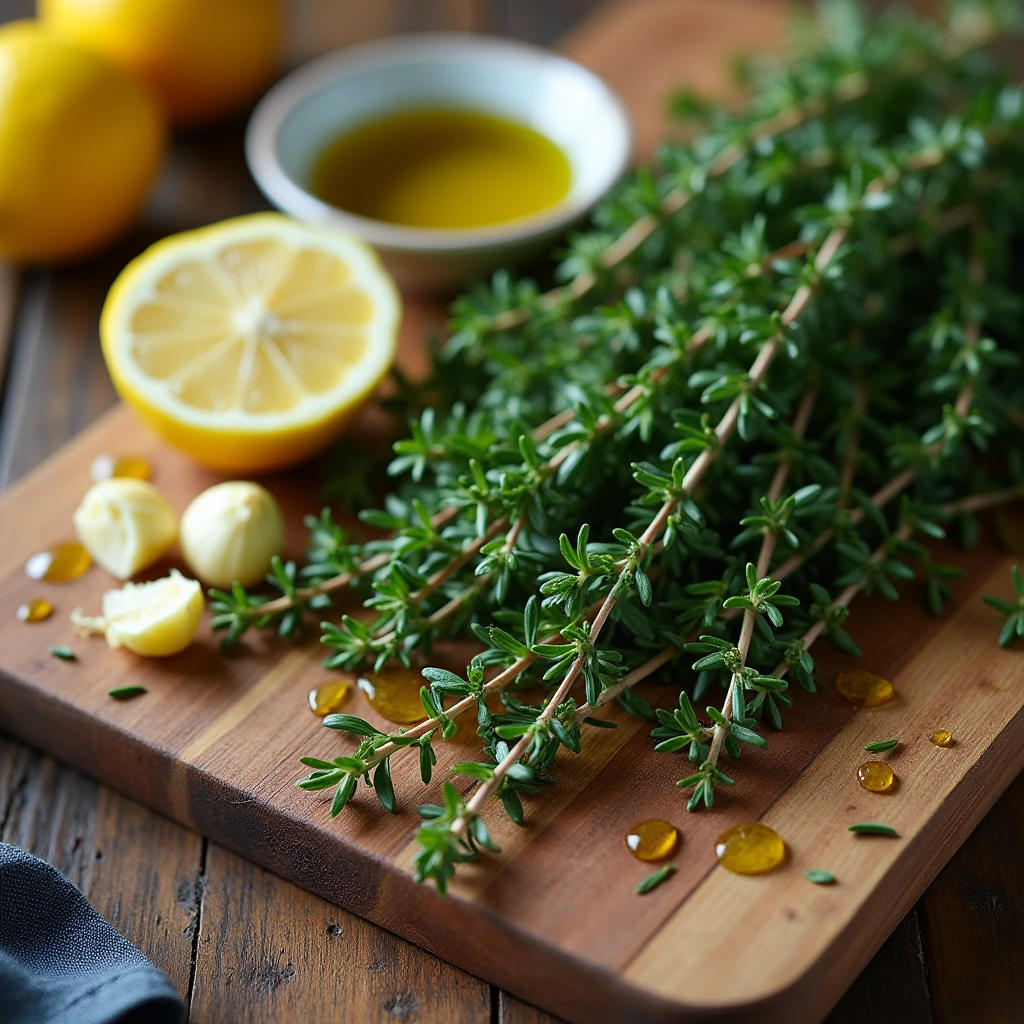
Ingredients List
For a Simple Ginger-Lemon Herbal Drink
- 1 cup (240 ml) hot water
- 1–2 thin slices of fresh ginger
- 1 teaspoon fresh lemon juice
- ½–1 teaspoon honey, optional
- A small pinch of cinnamon, optional
Potential substitutions:
- Lime juice can replace lemon juice.
- Fresh turmeric can replace ginger for a different flavor.
- Honey can be omitted for a lower-sugar drink.
Important: Do not add concentrated cancer-treatment herbs such as Artemisia annua, concentrated artemisinin, or herbal extracts to this recipe based on claims that they kill cancer cells.
Timing
- Preparation: 3 minutes
- Infusion: 5–10 minutes
- Total time: About 10–13 minutes
This is a quick beverage, but its preparation time should not be confused with the time required for a cancer treatment to produce a therapeutic effect.
Step-by-Step Instructions
Step 1: Prepare the Ginger
Wash and thinly slice the ginger. There is no need to peel it if it has been thoroughly cleaned.
Step 2: Add Hot Water
Place the ginger in a cup and pour over approximately 240 ml of hot water.
Allow it to steep for 5–10 minutes. A longer infusion produces a stronger, more pungent flavor.
Step 3: Add Lemon
Let the drink cool slightly, then add fresh lemon juice. This gives the drink a bright, refreshing taste.
Step 4: Sweeten If Desired
Add a small amount of honey if you prefer a sweeter drink. Remember that honey still contributes added sugar.
Step 5: Enjoy Responsibly
Drink it warm or allow it to cool and serve over ice. Enjoy it as a flavorful beverage rather than as a substitute for medical treatment.
Nutritional Information
The exact nutritional content depends on the amount of honey and other ingredients used.
| Nutrient | Approximate amount per cup |
|---|---|
| Calories | 5–25 kcal |
| Carbohydrates | 1–7 g |
| Added sugar | 0–6 g |
| Fat | Negligible |
| Protein | Negligible |
| Fiber | Very low |
Ginger and lemon contribute small amounts of naturally occurring plant compounds and micronutrients. However, a beverage like this should not be described as a proven anticancer treatment.
Healthier Alternatives for the Recipe
You can easily adapt the drink:
- No-added-sugar version: Skip the honey.
- Caffeine-free option: Keep it completely herbal.
- Anti-inflammatory diet approach: Pair the drink with vegetables, fruits, legumes, whole grains, nuts, and other minimally processed foods.
- Refreshing version: Chill the infusion and serve with ice and lemon slices.
- Stronger ginger flavor: Add additional ginger rather than relying on concentrated supplements.
For someone undergoing cancer treatment, dietary changes and supplements should be discussed with the oncology team because some concentrated herbs and supplements can interfere with medicines.
Serving Suggestions
Serve this drink:
- Alongside a nutritious breakfast.
- After a meal as a refreshing alternative to sugary beverages.
- Chilled with lemon slices during warm weather.
- With a balanced snack such as fruit and unsalted nuts.
The goal is to make healthy eating enjoyable—not to rely on one ingredient as a cure-all.
Common Mistakes to Avoid
Mistake 1: Believing Laboratory Results Equal a Cure
A compound killing cancer cells in a laboratory dish does not prove that the same compound will cure cancer in a human being.
Mistake 2: Replacing Medical Treatment
Do not stop chemotherapy, radiation, immunotherapy, surgery, or prescribed medication because of an online herbal remedy.
Mistake 3: Assuming “Natural” Means Safe
Plants can contain powerful chemicals. Some herbs can affect the liver, kidneys, blood clotting, or the way prescription medicines work.
Mistake 4: Using Concentrated Extracts Without Medical Advice
Herbal extracts can contain substantially higher concentrations of active compounds than ordinary foods or teas.
Mistake 5: Trusting “1,000 Times More Effective” Claims
Extraordinary numerical claims require strong human clinical evidence. Without appropriately designed clinical trials, such comparisons are not scientifically justified.
Storing Tips for the Recipe
For the best flavor, this drink is best consumed fresh.
If necessary:
- Allow it to cool.
- Transfer it to a clean, covered container.
- Refrigerate promptly.
- Consume within a short period rather than keeping it indefinitely.
Avoid storing homemade herbal drinks at room temperature for extended periods.
Conclusion
There is no scientifically established plant that destroys cancer cells in 48 hours or is 1,000 times more effective than chemotherapy. Some plant compounds are promising research subjects, but proven cancer treatment requires clinical evidence. Try this simple drink as part of a healthy diet, share your experience in the comments, and subscribe for more evidence-based updates.
FAQs
Is there really a plant that destroys cancer cells in 48 hours?
There is no proven plant-based treatment that reliably destroys cancer in humans within 48 hours. Claims based on laboratory experiments should not be presented as established cancer cures.
What is Artemisia annua?
Artemisia annua, or sweet wormwood, is a medicinal plant containing artemisinin. Artemisinin and its derivatives are important antimalarial medicines. Researchers have also investigated their potential anticancer properties, but that research does not establish Artemisia annua as a cancer cure.
Is artemisinin 1,000 times stronger than chemotherapy?
There is no reliable clinical evidence supporting that blanket comparison. Cancer drugs work differently, and effectiveness depends on cancer type, stage, treatment regimen, and individual patient factors.
Can herbal remedies be used during chemotherapy?
Some foods and herbs may be compatible with cancer treatment, but concentrated supplements and herbal products can sometimes interact with medicines. Always tell your oncologist about supplements and herbal products you use.
Can ginger and lemon cure cancer?
No. Ginger and lemon can be nutritious additions to a balanced diet, but there is no evidence that this drink cures or eliminates cancer.
Why do researchers study plants for cancer?
Plants contain thousands of biologically active compounds. Some have shown interesting effects in laboratory and animal research. Scientists investigate these compounds to determine whether they might eventually lead to safe and effective medicines.
Should I stop cancer treatment if an herbal remedy seems promising?
No. Never discontinue prescribed cancer treatment without discussing it with your oncology team. An unproven remedy should not replace treatments that have been evaluated in clinical trials.
What should someone with cancer do before trying an herbal remedy?
Discuss the specific plant, tea, extract, or supplement with the treating medical team. Bring the product label or ingredient list when possible so potential interactions can be assessed.