Introduction
An ancestral herbal remedy to eliminate mucus is often described as a comforting traditional way to support easier breathing and soothe an irritated throat. A warm herbal drink made with ginger, honey, lemon, and thyme can help keep you hydrated and may provide soothing relief when you have congestion or a cough.
However, no home remedy can safely guarantee that mucus will disappear in just a few days, and herbal preparations should complement—not replace—appropriate medical care.

Ingredients List
For 2 servings:
- 2 cups (500 ml) water
- 1 teaspoon fresh grated ginger
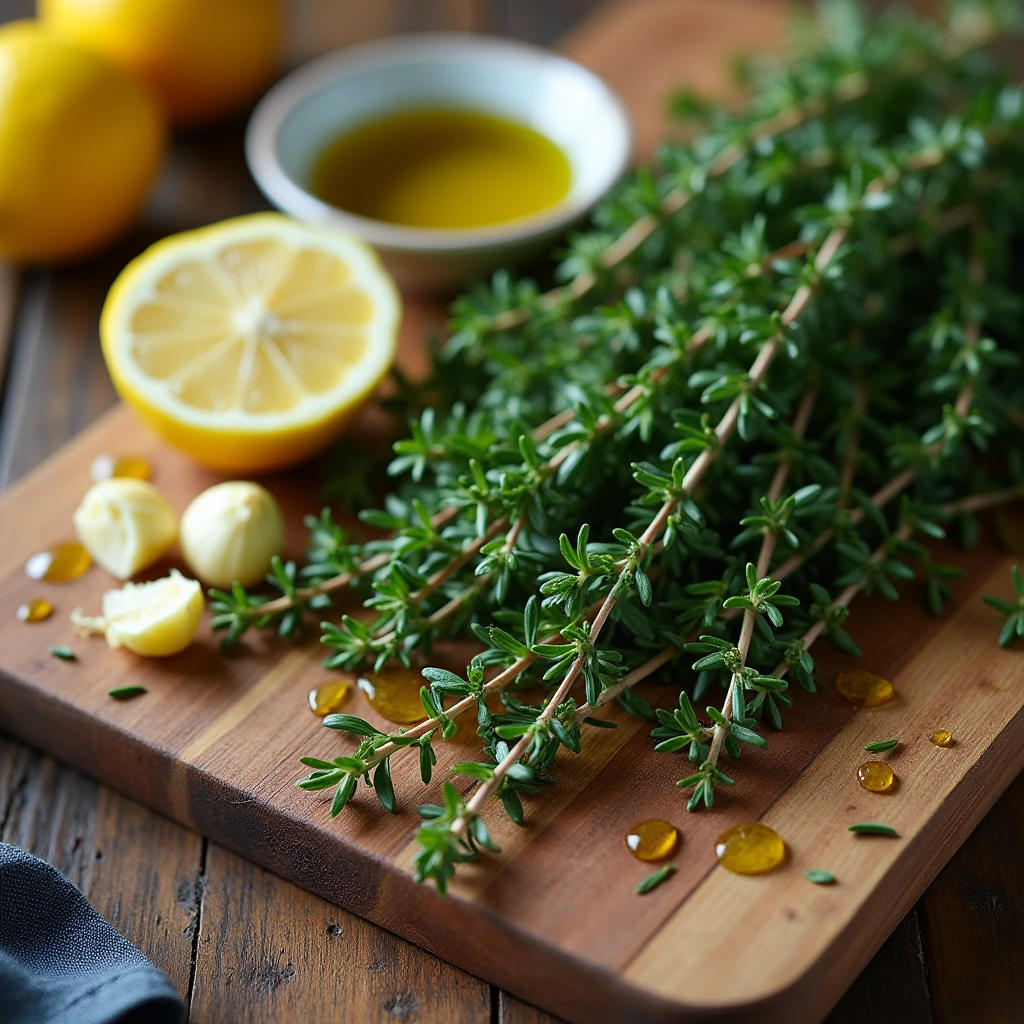
- 1 teaspoon dried thyme or 2 teaspoons fresh thyme
- 1 tablespoon lemon juice
- 1–2 teaspoons honey, added after cooling slightly
- Optional: a small piece of cinnamon for extra flavor
Potential Substitutions
- No fresh ginger? Use ½ teaspoon ground ginger.
- No thyme? Peppermint can provide a refreshing flavor, although it is not a proven mucus treatment.
- Avoid honey for children under 1 year old because of the risk of infant botulism.
- For a caffeine-free option, keep the recipe completely herbal.
Timing
- Preparation: 5 minutes
- Simmering: 5–10 minutes
- Steeping: 5 minutes
- Total: Approximately 15–20 minutes
This is a quick drink to prepare, making it practical when you’re feeling congested or tired.
Step-by-Step Instructions
Step 1: Prepare the Ingredients
Wash the ginger and grate it finely. Measure the thyme, lemon juice, and honey. Fresh ingredients provide a pleasant aroma and bright flavor.
Step 2: Heat the Water
Bring 2 cups of water to a gentle boil. Add the ginger and thyme.
Step 3: Simmer Gently
Reduce the heat and simmer for about 5–10 minutes. Avoid aggressively boiling the mixture for a long period.
Step 4: Strain the Herbal Tea
Remove the saucepan from the heat and strain the drink into two cups. Let it cool for a few minutes.
Step 5: Add Lemon and Honey
Stir in the lemon juice and honey once the drink is comfortably warm. Honey can help soothe a cough or irritated throat, while lemon adds flavor and vitamin C.
Step 6: Sip Slowly
Drink it warm rather than extremely hot. Staying well hydrated can help keep mucus thinner and easier to clear.
Nutritional Information
The exact nutrition depends on the quantities of honey and other ingredients used.
| Nutrient | Approximate amount per serving |
|---|---|
| Calories | 15–30 kcal |
| Carbohydrates | 4–8 g |
| Sugars | 4–7 g |
| Protein | <1 g |
| Fat | <1 g |
Most of the calories come from the honey. The drink is primarily a source of fluid rather than a significant source of protein, fat, or essential nutrients.
Healthier Alternatives for the Recipe
You can easily adapt this ancestral herbal remedy:
- Reduce the honey if you’re limiting added sugar.
- Use unsweetened ginger-thyme tea for a very low-calorie version.
- Add a few slices of fresh orange for additional flavor.
- Use fresh herbs when available, but dried herbs work well too.
- If you have diabetes, consider avoiding or limiting honey and discussing appropriate dietary choices with your healthcare professional.
Serving Suggestions
Enjoy the drink warm in the morning or evening, particularly when your throat feels dry or irritated.
For additional comfort, pair it with:
- Warm soup or broth
- Plenty of water
- Rest and adequate sleep
- Humidified air if indoor air is dry
Remember that drinking an herbal tea does not directly “clean” mucus from the lungs. Your respiratory system naturally clears mucus through coughing and other mechanisms.
Common Mistakes to Avoid
Drinking It Extremely Hot
Very hot liquids can irritate or burn the mouth and throat. Let the drink cool to a comfortable temperature.
Adding Honey to Boiling Water
Allow the drink to cool somewhat before adding honey. This also makes the beverage more pleasant to drink.
Expecting an Instant Cure
Congestion can result from colds, allergies, sinus problems, asthma, infections, or other conditions. An herbal drink may provide comfort but does not treat every underlying cause.
Using Excessive Herbs
More is not necessarily better. Concentrated herbal preparations can cause side effects or interact with medications.
Ignoring Persistent Symptoms
Seek medical advice if symptoms are severe, worsening, unusually persistent, or accompanied by significant breathing difficulty, chest pain, confusion, or coughing up blood.
Storing Tips for the Recipe
For the best flavor, prepare the tea fresh.
If necessary:
- Allow it to cool.
- Place it in a clean, covered container.
- Refrigerate promptly.
- Reheat gently before drinking.
Avoid leaving homemade herbal tea at room temperature for extended periods.
Conclusion
This simple ginger, thyme, lemon, and honey drink can provide hydration and soothing comfort during congestion, but it cannot guarantee that mucus will disappear within days. Try the recipe, share your experience in the review section or comments, and subscribe for more updates.
FAQs
Can this herbal remedy remove mucus from the lungs?
It may provide soothing hydration and make a cough feel more comfortable, but there is no reliable evidence that this recipe literally removes mucus from the lungs or cures a respiratory illness.
How often can I drink it?
For most healthy adults, an occasional warm herbal drink is generally reasonable. Follow the quantities in the recipe rather than making an extremely concentrated preparation.
Does ginger dissolve mucus?
Ginger is traditionally used for respiratory and digestive comfort, but evidence does not establish that ginger dissolves or eliminates mucus from the respiratory tract.
Is honey good for a mucus-producing cough?
Honey may help soothe coughing, particularly at night, in adults and children over 1 year old. It should never be given to infants younger than 12 months.
Can I drink this if I have a cold?
A warm drink can contribute to fluid intake and may soothe an irritated throat. It should be viewed as supportive comfort rather than a treatment for the underlying infection.
What if my mucus is green or yellow?
Mucus color alone does not reliably determine whether an infection is bacterial or whether antibiotics are needed. Consider the overall symptoms and seek medical advice if you’re concerned.
When should I see a doctor?
Seek urgent medical care for severe difficulty breathing, chest pain, blue or gray lips, coughing up blood, severe confusion, or rapidly worsening symptoms. For persistent or recurrent respiratory symptoms, contact a healthcare professional.
Can children use this recipe?
Honey must not be given to children under 1 year old. For older children, ask a pediatrician about appropriate herbal ingredients and quantities, particularly if the child takes medication or has an underlying medical condition.