INTRODUCTION
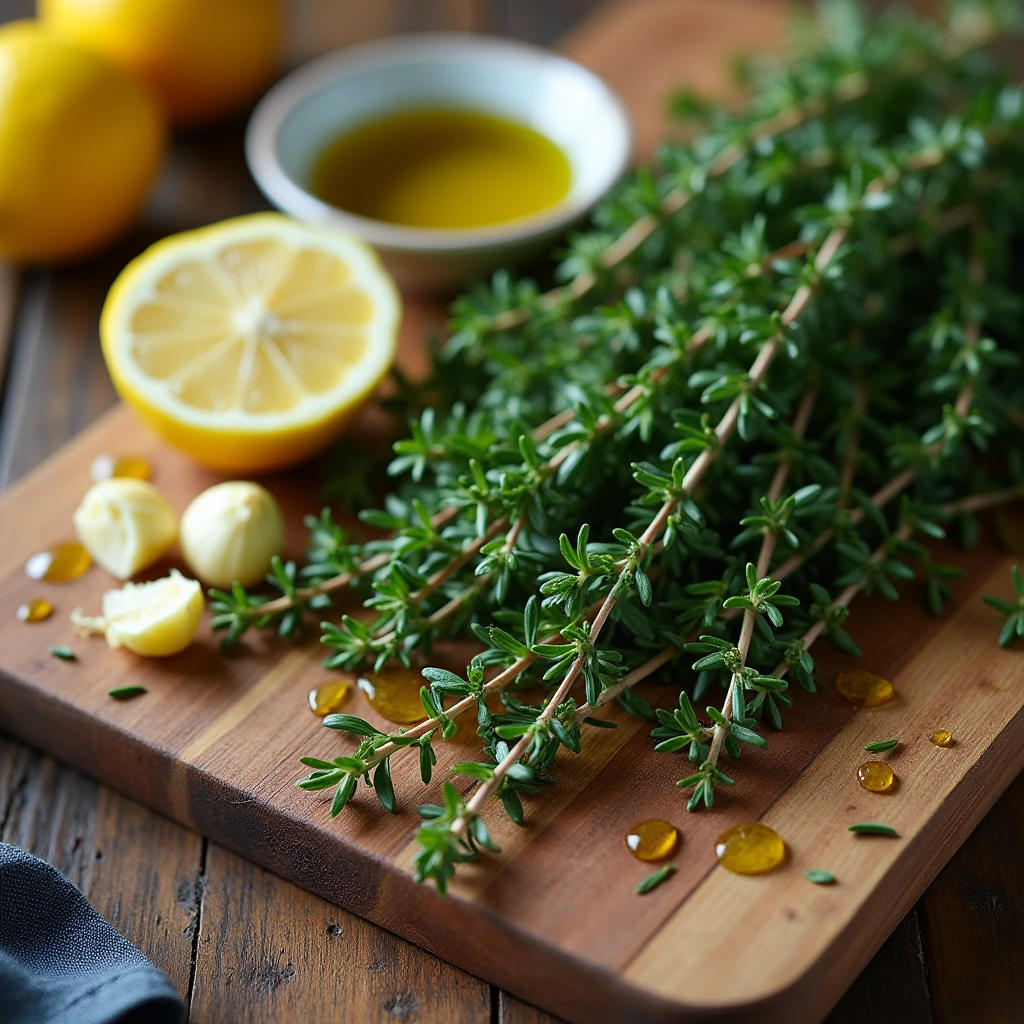
An enlarged prostate, medically known as benign prostatic hyperplasia (BPH), is common in older men. As the prostate grows, it can press against the urethra and make urination more difficult. Common symptoms include a weak urine stream, frequent urination, difficulty starting urination, nighttime trips to the bathroom, and the feeling that the bladder has not completely emptied.
Because these symptoms can be frustrating, many people look for natural approaches, including plant-based oils and dietary ingredients.
However, it is important to be clear: there is no reliable evidence that any natural oil can melt, shrink, or cure an enlarged prostate within three days. Some oils contain antioxidants and other compounds that are being studied for general health, but they should not replace medical evaluation or proven BPH treatments.
The six oils below can be discussed as part of a balanced wellness routine, rather than as a guaranteed treatment for prostate enlargement.
INGREDIENTS
For general dietary use, you may consider:
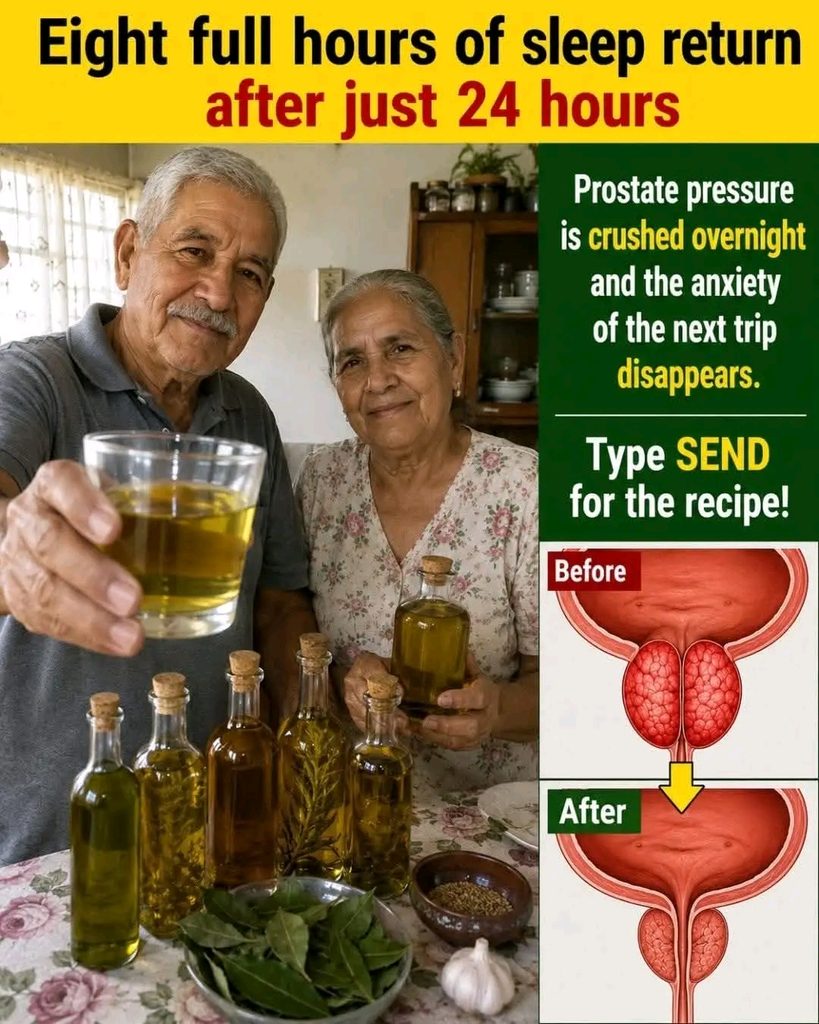
- Pumpkin seed oil – A source of unsaturated fats and plant compounds commonly included in discussions about prostate nutrition.
- Extra-virgin olive oil – Rich in monounsaturated fats and antioxidant compounds.
- Flaxseed oil – Provides alpha-linolenic acid (ALA), a plant-based omega-3 fatty acid.
- Sesame oil – Contains unsaturated fats and naturally occurring antioxidant compounds.
- Walnut oil – Provides unsaturated fats, including plant-based omega-3 ALA.
- Avocado oil – A source of monounsaturated fat and vitamin E.
These oils are foods or dietary ingredients, not proven medications for BPH. Evidence concerning their direct effect on prostate enlargement is limited, and results from laboratory or preliminary studies should not be interpreted as proof of a treatment effect in humans.
PREPARATION
The safest way to incorporate these oils is generally through normal food consumption rather than applying oils directly to the prostate or using concentrated products without professional advice.
For example, extra-virgin olive oil can be used as a salad dressing, pumpkin seed oil can be added to appropriate foods, and small amounts of other culinary oils can be incorporated into a balanced diet.
A healthy eating pattern can include vegetables, fruits, whole grains, legumes, nuts, seeds, fish, and healthy unsaturated fats.
Importantly, do not expect stronger urine flow within three days simply because you consume one of these oils. Urinary symptoms caused by BPH usually require proper assessment, and effective treatment depends on the severity and underlying cause.
Some urinary symptoms may also result from urinary infections, medications, bladder problems, prostatitis, or other conditions. That is why self-treatment can sometimes delay appropriate care.
CONTRAINDICATIONS
Natural does not automatically mean risk-free.
People with allergies to nuts or seeds should avoid oils derived from ingredients that trigger their allergies. Individuals taking blood-thinning medication or other prescription medicines should discuss concentrated oils or supplements with a healthcare professional before using them regularly.
Some oils are also calorie-dense, so large amounts may contribute significant calories to the diet.
Most importantly, do not put essential oils or concentrated herbal oils into the urethra, rectum, or other sensitive areas in an attempt to treat prostate problems. Such products can cause irritation, burns, allergic reactions, or injury.
Pregnancy is not relevant to BPH treatment, but caregivers should also avoid giving concentrated supplements to older adults or people with multiple medical conditions without checking with a healthcare professional.
MEDICAL CONSULTATION & SIDE EFFECTS
Persistent urinary symptoms deserve medical attention.
A healthcare professional can evaluate symptoms and determine whether an enlarged prostate is actually responsible. Depending on the situation, evaluation may include a medical history, physical examination, urine testing, prostate assessment, or other investigations.
Treatment for BPH can include lifestyle adjustments, prescription medicines, minimally invasive procedures, or surgery when appropriate. The right option depends on symptoms, prostate size, overall health, and other individual factors.
Seek urgent medical attention if you cannot urinate at all, have severe lower abdominal pain, significant blood in the urine, fever or chills with urinary symptoms, or symptoms suggesting a serious infection.
Natural oils should therefore be viewed as possible dietary components—not substitutes for diagnosis or evidence-based treatment.
SUMMARY
Pumpkin seed oil, olive oil, flaxseed oil, sesame oil, walnut oil, and avocado oil can all fit into a balanced diet when used appropriately.
However, claims that these oils can “melt an enlarged prostate,” restore normal urine flow in three days, or eliminate prostate discomfort rapidly are not medically established.
The best approach to prostate health combines a nutritious diet, regular physical activity, appropriate medical checkups, and professional treatment when urinary symptoms become persistent or troublesome.
If you experience frequent urination, a weak stream, difficulty starting urination, or repeated nighttime bathroom visits, talk with a healthcare professional rather than relying solely on a natural remedy.
FAQ – FREQUENTLY ASKED QUESTIONS
Can natural oils shrink an enlarged prostate?
There is currently insufficient clinical evidence to say that ordinary dietary oils can reliably shrink an enlarged prostate. Some ingredients are being researched, but this is different from having a proven treatment.
Can pumpkin seed oil cure BPH?
Pumpkin seed products have been studied for prostate and urinary symptoms, but they should not be described as a guaranteed cure for BPH. More research is needed to determine their effectiveness.
Can oils improve urine flow in three days?
There is no reliable evidence that consuming these oils will consistently restore urine flow within three days. A weak stream can have several causes and should be medically evaluated if it persists.
Is olive oil good for prostate health?
Extra-virgin olive oil can be part of a heart-healthy dietary pattern because it contains predominantly monounsaturated fat and antioxidant compounds. However, it should not be considered a specific treatment for an enlarged prostate.
Should I apply essential oils to the prostate?
No. Essential oils should not be inserted into the urethra, rectum, or other sensitive tissues to treat prostate symptoms. Concentrated essential oils can cause irritation and injury.
When should I see a doctor about an enlarged prostate?
See a healthcare professional if urinary symptoms persist, worsen, interfere with sleep, or affect daily life. Seek urgent care if you are unable to urinate, develop severe pain, or have fever or chills with urinary symptoms.
Is BPH the same as prostate cancer?
No. BPH is a non-cancerous enlargement of the prostate. However, some urinary symptoms can occur with different prostate or urinary conditions, which is why persistent symptoms should be evaluated rather than automatically attributed to BPH.