
Introduction
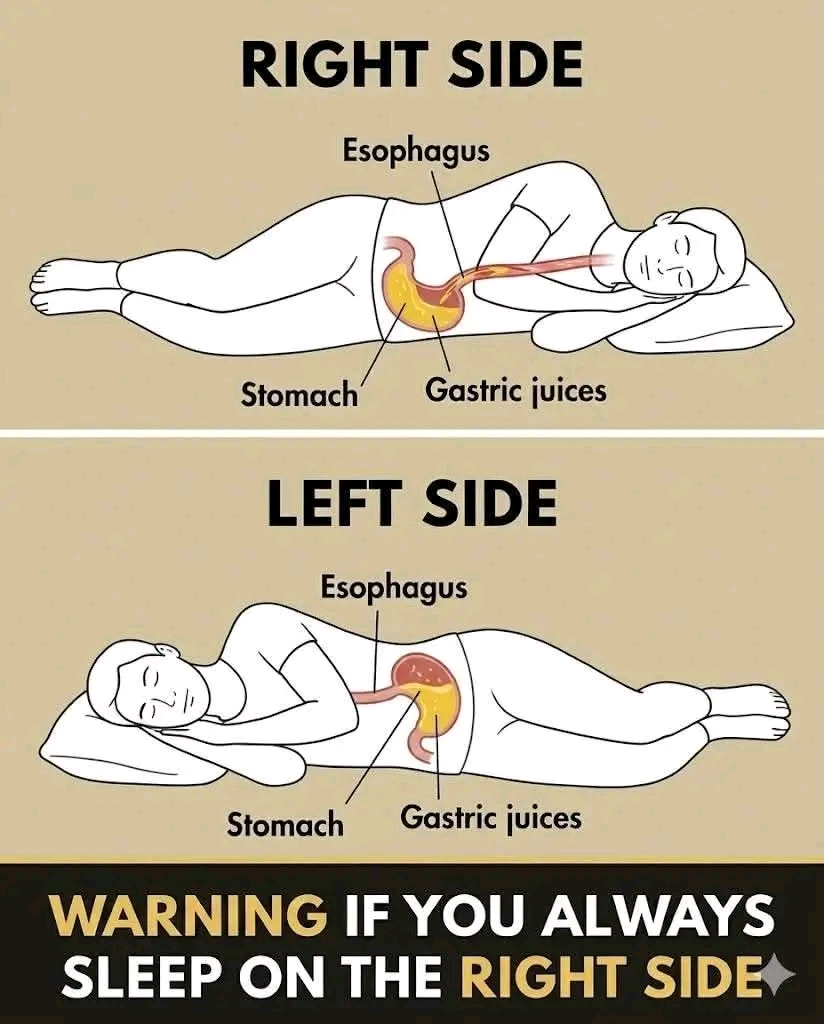
Always sleeping on your right side is a common habit, and for many people it feels comfortable and natural. However, your preferred sleeping position may influence comfort, nighttime digestion, acid reflux symptoms, breathing, shoulder pressure, and overall sleep quality.
There is no single sleeping position that is perfect for everyone. If you always sleep on your right side, the most important thing you should have is proper pillow and body support to keep your neck, spine, shoulders, and hips in a comfortable, neutral position.
Your health conditions, mattress, pillow, and personal comfort can all affect which position works best for you. This guide explains how to create a comfortable right-side sleeping setup and when you may want to discuss your sleeping habits with a healthcare professional.
Ingredients List
Although this is not a food recipe, think of these items as the “ingredients” for a more comfortable right-side sleeping position:
- One supportive head pillow – Choose a pillow that fills the space between your head and shoulder without forcing your neck upward or downward.
- One pillow between your knees – Helps many side sleepers reduce pressure and keep the hips more comfortably aligned.
- A supportive mattress – A mattress should cushion pressure points while supporting your body.
- Optional body pillow – Can provide support for your arms, knees, and upper body.
- Comfortable bedding – Breathable sheets and blankets can help prevent overheating.
Possible Substitutions
- Use a folded blanket instead of a knee pillow.
- Try a smaller pillow if a large body pillow feels restrictive.
- Adjustable-fill pillows may allow you to customize height and firmness.
The goal is simple: create a sleep environment that feels comfortable from your neck down to your hips.
Timing
Preparation Time
About 5 minutes
Adjustment Period
Several nights to a few weeks
Total Time
Your comfortable sleep setup becomes part of your regular nighttime routine.
Changing sleep posture is usually not an instant process. Your body may need time to adapt to a new pillow arrangement or sleeping position. Small adjustments often work better than making several major changes at once.
Step-by-Step Instructions
Step 1: Choose the Right Pillow Height
Lie on your right side and notice whether your neck feels bent upward or downward.
A good pillow should help keep your head and neck in a comfortable alignment with the rest of your spine. Pillow needs vary depending on shoulder width and mattress firmness.
Tip: If you wake up repeatedly with neck discomfort, experiment with pillow height before replacing everything else.
Step 2: Place a Pillow Between Your Knees
Bend your knees slightly and place a pillow between them.
Many side sleepers find this helps reduce uncomfortable pressure between the knees and may make the hips and lower back feel more supported.
Tip: A firm but comfortable pillow often stays in place better than a very soft one.
Step 3: Support Your Upper Body
Allow your upper arm to rest comfortably rather than placing excessive pressure underneath your body.
A body pillow can be hugged gently to support the arms and upper body.
Tip: Avoid forcing your shoulder into an uncomfortable position for long periods.
Step 4: Check Your Mattress Comfort
Even the best pillow cannot completely compensate for an uncomfortable mattress.
Your shoulder and hip need enough cushioning, while your body still needs adequate support. If you regularly wake with numbness, soreness, or discomfort, your sleep surface may be contributing.
Step 5: Adjust Gradually
If you have always slept on your right side, you do not necessarily need to stop.
Instead, focus on comfort and experiment with small adjustments. Some people naturally change positions several times during the night, and that can be completely normal.
Nutritional Information
Because this article focuses on a sleeping position rather than a food recipe, traditional nutritional information does not apply.
However, good sleep is part of a healthy lifestyle alongside balanced nutrition, regular physical activity, hydration, and appropriate medical care.
Sleep-Supporting Lifestyle Factors
- Maintain a balanced and varied diet.
- Limit large meals immediately before bedtime if they cause discomfort.
- Stay physically active according to your abilities.
- Maintain a consistent sleep schedule when possible.
- Create a dark, quiet, and comfortable sleep environment.
Individual sleep needs vary considerably.
Healthier Alternatives for the Recipe
Instead of thinking about one sleeping position as universally “healthy,” consider these adaptable alternatives:
- Right-side sleeping with a knee pillow: May improve comfort for some side sleepers.
- Left-side sleeping: Some people prefer this position, particularly when discussing nighttime digestive comfort, although individual experiences vary.
- Back sleeping with knee support: A pillow under the knees may feel comfortable for some people.
- Alternating positions: Changing positions during the night can help some people avoid prolonged pressure on one shoulder.
If you are pregnant, have diagnosed sleep apnea, significant reflux, chronic pain, heart or lung conditions, or another medical concern, ask a healthcare professional about the most appropriate sleep position for your situation.
Serving Suggestions
Make your bedtime routine more inviting by pairing your comfortable sleep setup with relaxing habits:
- Dim the lights before bed.
- Put away stimulating screens when possible.
- Keep your bedroom comfortably cool.
- Use comfortable pillows and clean bedding.
- Try gentle relaxation, breathing exercises, or quiet reading.
- Maintain a consistent bedtime routine.
Think of your sleep environment as a complete experience. The pillow, mattress, room temperature, and evening routine can all influence how rested you feel.
Common Mistakes to Avoid
Using a Pillow That Is Too High
An excessively high pillow may leave your neck in an uncomfortable position.
Avoid it: Test different pillow heights and notice how your neck feels in the morning.
Ignoring Shoulder Pressure
Sleeping on one side for extended periods can sometimes create pressure or discomfort around the shoulder.
Avoid it: Adjust your mattress, pillow, or position if you frequently wake with pain or numbness.
Assuming One Position Works for Everyone
Online advice often presents one sleeping position as the best choice for all people. In reality, individual needs vary.
Avoid it: Consider your comfort and any personal medical advice.
Ignoring Persistent Symptoms
Frequent nighttime choking, loud snoring, breathing pauses, severe reflux, numbness, or ongoing pain should not simply be blamed on your sleeping position.
Avoid it: Discuss persistent or concerning symptoms with a qualified healthcare professional.
Storing Tips for the Recipe
Your “sleep ingredients” also need proper care.
- Wash pillowcases and bedding regularly.
- Follow manufacturer instructions when washing pillows.
- Replace pillows when they no longer provide adequate support.
- Air out bedding when appropriate.
- Rotate or maintain your mattress according to the manufacturer’s recommendations.
Fresh, clean bedding can make your sleeping environment more comfortable and inviting.
Conclusion
Always sleeping on your right side can be comfortable when your neck, shoulders, hips, and spine receive proper support. Try a suitable pillow and knee support, adjust gradually, and prioritize comfort. Share your experience below and subscribe for more wellness updates.
FAQs
Is sleeping on the right side bad for everyone?
No. There is no single sleep position that is automatically bad for everyone. Comfort, health conditions, and individual needs all matter.
What should I have if I always sleep on my right side?
Many people benefit from a supportive head pillow and a pillow between the knees. A comfortable, supportive mattress is also important.
Should I force myself to sleep on my left side?
Not necessarily. Some people may have specific medical or comfort reasons to prefer one side, but you should not force a position that causes discomfort. Seek professional advice if you have a health condition.
Why does my shoulder hurt when sleeping on my side?
Prolonged pressure, mattress firmness, pillow setup, existing shoulder problems, or body positioning may contribute. Persistent or significant pain should be evaluated by a healthcare professional.
Can sleeping position affect acid reflux?
Sleeping position may influence reflux symptoms for some people. If you experience frequent or severe reflux, discuss it with a healthcare professional rather than relying only on changes in sleeping position.
Is it normal to change sleeping positions during the night?
Yes. Many people naturally move and change positions during sleep.
When should I seek medical advice about sleep problems?
Seek medical guidance if you experience persistent insomnia, loud snoring with breathing pauses, nighttime choking, severe daytime sleepiness, ongoing pain, numbness, or other concerning symptoms.