Introduction
The baby oil and baking soda mixture is a popular DIY beauty idea often shared online for exfoliating and softening rough areas of skin. Baby oil can help reduce moisture loss by forming a protective barrier, while baking soda has a mildly abrasive texture.
However, this mixture should be used carefully. Baking soda is alkaline and may disrupt the skin’s natural protective barrier, especially when used frequently or on sensitive skin. The baby oil and baking soda mixture is best treated as an occasional external skin-care experiment rather than a cure for skin problems.
Ingredients List
To prepare a small amount of this mixture, you will need:
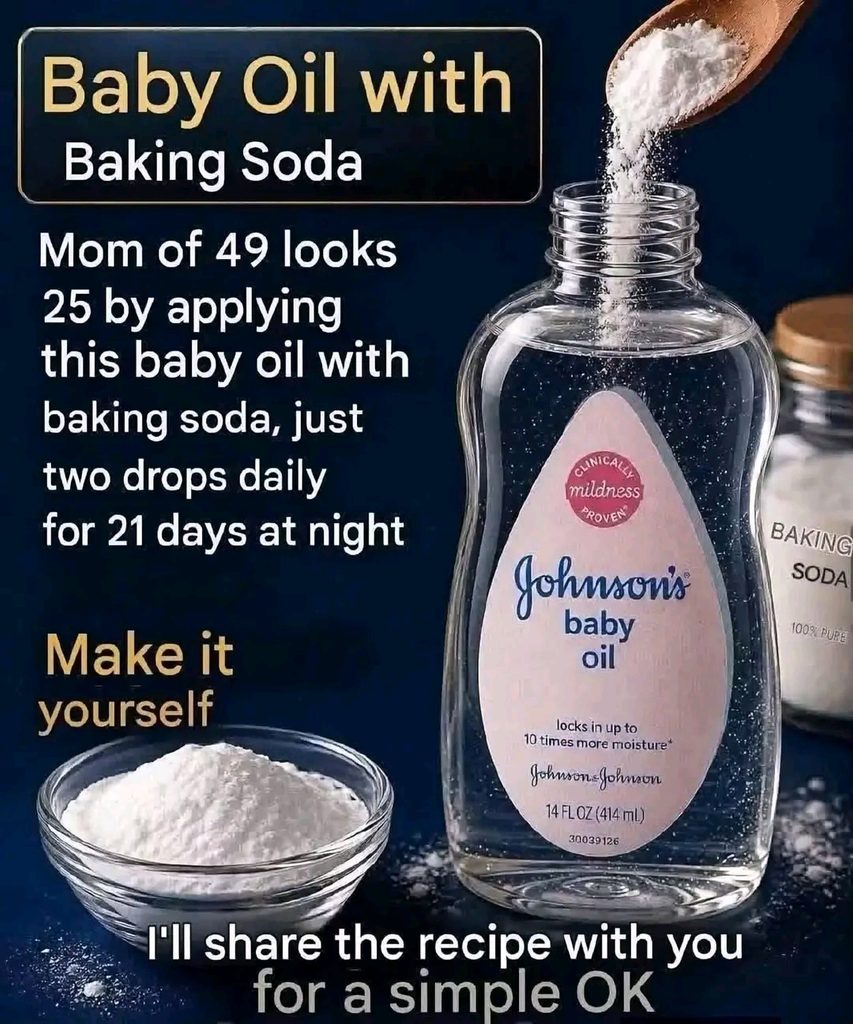
- 1 teaspoon baby oil
- A small pinch of baking soda
- A clean small bowl
- A clean spoon or fingertip for mixing
Optional Substitutions
Depending on your skin type, you may prefer gentler alternatives:
- Fragrance-free mineral oil instead of scented baby oil
- A gentle body scrub formulated for sensitive skin instead of baking soda
- Finely ground oatmeal as a gentler exfoliating option
Use only a small amount at a time. The mixture should feel smooth and lightly textured—not gritty or harsh.
Timing
- Preparation time: About 2 minutes
- Application time: 30–60 seconds of gentle contact
- Total time: Approximately 3–5 minutes
There is no need to leave baking soda on the skin for an extended period. Longer exposure does not necessarily improve results and may increase the risk of irritation.
Step-by-Step Instructions
Step 1: Start With a Small Amount
Pour approximately one teaspoon of baby oil into a clean bowl.
Starting small helps prevent waste and allows you to test how your skin responds before preparing more.
Step 2: Add a Small Pinch of Baking Soda
Add only a small pinch of baking soda.
Avoid creating a thick, heavily abrasive paste. More baking soda does not mean better exfoliation and can increase irritation.
Step 3: Mix Gently
Stir the ingredients until they are lightly combined.
The texture should remain easy to spread. If the mixture feels rough or uncomfortable between your fingers, do not apply it to the skin.
Step 4: Perform a Patch Test
Before using the mixture on a larger area, apply a tiny amount to a small area of skin.
Wait and watch for redness, itching, burning, swelling, or discomfort. If irritation occurs, rinse the area thoroughly with lukewarm water and discontinue use.
Step 5: Apply Only to Intact Skin
If your patch test is successful, gently apply the mixture to a small area of rough, intact body skin.
Avoid:
- The eyes and eyelids
- Lips and inside the mouth
- Genital areas
- Open cuts or wounds
- Sunburned skin
- Eczema or actively irritated skin
- Recently shaved or waxed areas
Step 6: Use Gentle Pressure
Massage very lightly for no longer than about 30–60 seconds.
Do not scrub aggressively. Skin does not need to become red for exfoliation to occur.
Step 7: Rinse and Observe Your Skin
Rinse thoroughly with lukewarm water and gently pat the skin dry.
If your skin feels irritated, tight, itchy, or uncomfortable afterward, stop using the mixture.
Nutritional Information
Because the baby oil and baking soda mixture is not a food recipe, nutritional information does not apply.
Important Information
- Calories: Not applicable
- Protein: Not applicable
- Carbohydrates: Not applicable
- Fat: Not applicable
- Oral consumption: Not recommended
Baby oil is intended for external use, and this mixture should not be eaten or used as a beverage.
Healthier Alternatives for the Recipe
For people looking for gentle skin care, these alternatives may be more suitable.
Choose a Gentle Exfoliating Product
A commercially formulated body exfoliant designed for your skin type may be less disruptive than repeatedly using baking soda.
Try Oat-Based Skin Care
Finely ground oatmeal products are commonly used in gentle skin-care routines and may be a better option for people with sensitive skin.
Focus on Moisturizing
For dry or rough skin, a fragrance-free moisturizer applied after bathing may be all that is needed.
Use a Soft Washcloth
A soft washcloth with gentle pressure can provide mild physical exfoliation without creating a highly alkaline mixture.
If you have persistent dry, itchy, painful, or changing skin, consider speaking with a dermatologist rather than repeatedly trying DIY treatments.
Serving Suggestions
Since this is a personal-care mixture rather than food, “serving” is best understood as how to use it safely.
You may choose to:
- Use a small amount during an occasional body-care routine
- Follow with a gentle, fragrance-free moisturizer
- Use it only on a limited area after a successful patch test
- Keep your routine simple rather than combining multiple exfoliating products
Avoid applying several strong or exfoliating ingredients during the same skin-care session.
Common Mistakes to Avoid
Using Too Much Baking Soda
A large amount can make the mixture overly abrasive and increase the chance of irritation.
Scrubbing Too Hard
Aggressive rubbing can damage the outer skin barrier and cause redness or sensitivity.
Using It Every Day
Frequent exfoliation is unnecessary for many people and may worsen dryness or irritation.
Applying It to Sensitive Areas
The face, eye area, broken skin, and other sensitive areas require extra care.
Ignoring a Patch Test
Even familiar ingredients can cause irritation in some individuals. A patch test is a simple precaution.
Continuing After Burning or Redness
If you experience burning, significant redness, swelling, or persistent discomfort, rinse the area and stop using the mixture.
Storing Tips for the Recipe
Because this mixture is quick to prepare, it is best to make only the amount you plan to use immediately.
- Do not store a used mixture for later.
- Keep the ingredients separate until needed.
- Store baby oil according to the manufacturer’s instructions.
- Keep baking soda dry and tightly sealed.
- Use clean hands and clean utensils to reduce contamination.
Making a fresh, small batch takes only a few minutes and avoids unnecessary storage concerns.
Conclusion
The baby oil and baking soda mixture may offer temporary exfoliation for some people, but gentle use is essential. Patch-test first, avoid sensitive skin, and stop if irritation occurs. Try it cautiously, share your experience in the comments, and subscribe for more updates.
FAQs
Can I use baby oil and baking soda on my face?
It is generally best to be cautious with this mixture on facial skin because the face is often more sensitive. Consider gentler products specifically formulated for facial use.
How often can I use this mixture?
Frequent use may irritate the skin. If you choose to try it, occasional use with a successful patch test is more cautious than daily exfoliation.
Can this mixture remove dark spots or scars?
There is no guarantee that a baby oil and baking soda mixture will remove dark spots or scars. Aggressive exfoliation may sometimes worsen irritation or discoloration.
Can I leave the mixture on overnight?
Leaving baking soda on the skin for a prolonged period may increase irritation. Extended contact is not necessary for gentle exfoliation.
Is baby oil safe for all skin types?
Some people may tolerate it well, while others may find oily products unsuitable for their skin. Fragrance and other ingredients can also matter, so check the product label and patch-test when appropriate.
What should I do if my skin burns or becomes red?
Rinse the area thoroughly with lukewarm water and stop using the product. Seek medical advice if symptoms are severe, persistent, or accompanied by swelling or other concerning reactions.
Can I use this mixture on broken or irritated skin?
No. Avoid applying it to cuts, wounds, sunburned skin, or actively irritated areas.