Introduction
A bay leaf compress for knee comfort is a simple traditional home remedy that some people enjoy as part of a relaxing self-care routine. While bay leaves are often used for their warm aroma and natural plant compounds, there is no strong scientific evidence that bay leaves alone can treat knee pain, arthritis, or joint disease.
Warmth, rest, gentle movement, and appropriate medical care remain important for maintaining healthy joints. This easy bay leaf preparation can be used as a comforting addition to your routine—not as a replacement for medical treatment.
Ingredients List
To prepare this simple bay leaf compress for knee comfort, you will need:
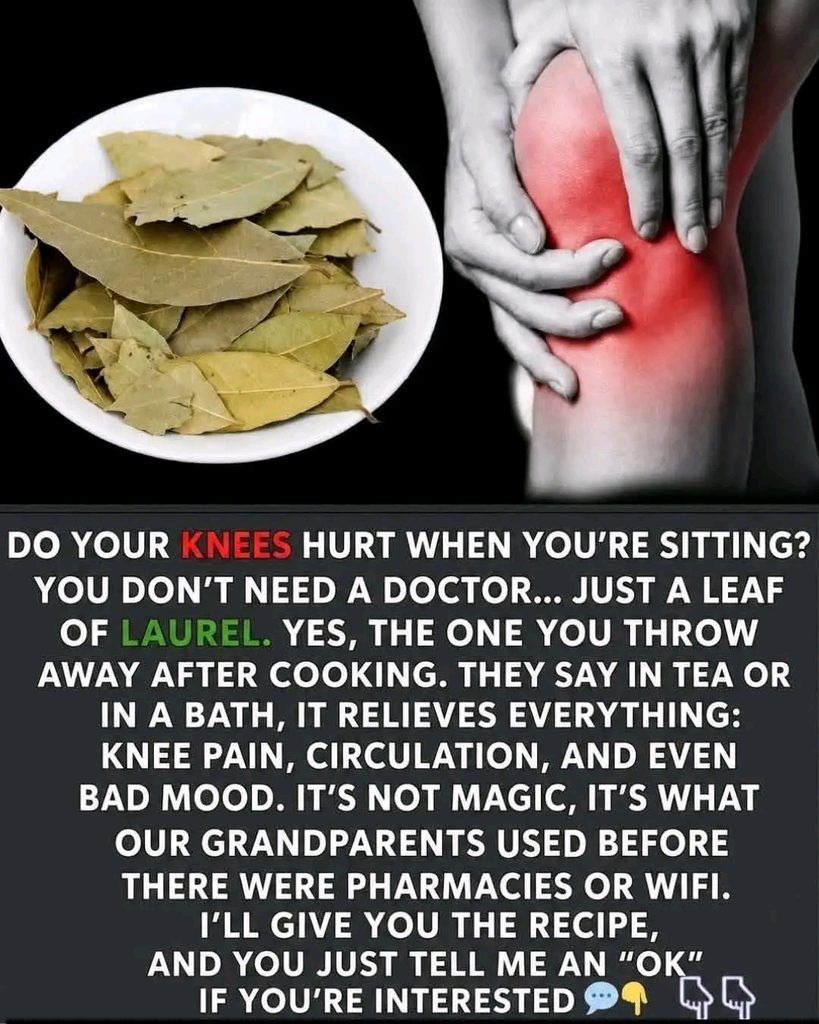
- 5–8 dried bay leaves
- 2 cups of water
- A clean, soft cotton cloth or small towel
- A heat-safe bowl
- Optional: a few slices of fresh ginger for aroma
- Optional: a warm compress or heating pad used according to its instructions
Possible Substitutions
- Fresh bay leaves may be used instead of dried leaves.
- If you do not have ginger, simply use bay leaves and water.
- A clean washcloth can replace a cotton towel.
Choose culinary bay leaves intended for food use, and avoid applying unknown plants or essential oils directly to the skin.
Timing
- Preparation time: 5 minutes
- Heating time: 10–15 minutes
- Cooling and application time: 15–20 minutes
- Total time: Approximately 30–40 minutes
This makes the preparation easy enough to incorporate into a quiet evening or post-activity relaxation routine.
Step-by-Step Instructions
Step 1: Prepare the Bay Leaves
Place the bay leaves in a small saucepan and add 2 cups of water.
If desired, add a few slices of fresh ginger for a warm, pleasant aroma.
Step 2: Gently Heat the Mixture
Bring the water to a gentle simmer. Allow the bay leaves to steep for approximately 10–15 minutes.
Avoid boiling the mixture aggressively. Gentle heating is sufficient to create a warm infusion.
Step 3: Allow the Liquid to Cool Slightly
Remove the saucepan from the heat and allow the infusion to cool until it is comfortably warm.
Important tip: Always test the temperature before placing anything warm against your skin. A compress that is too hot can cause burns.
Step 4: Soak the Cloth
Dip a clean cloth into the warm bay leaf infusion. Wring out the excess liquid so the cloth is damp rather than dripping.
The cloth should feel comfortably warm—not hot.
Step 5: Apply the Warm Compress
Place the warm cloth gently over the knee for approximately 10–15 minutes.
Sit comfortably, relax your muscles, and allow the warmth to become part of a calming self-care moment.
You may repeat the process once the cloth has cooled, provided your skin remains comfortable and shows no signs of irritation.
Nutritional Information
Because this preparation is intended as an external compress and is not a meal, traditional nutritional information is not directly applicable.
Bay leaves themselves contain small amounts of naturally occurring plant compounds and micronutrients, but the amount transferred into a water infusion—and especially through external skin contact—is not known to provide meaningful nutritional benefits.
Bay leaves are commonly associated with:
- Aromatic plant compounds
- Antioxidant compounds
- Traditional culinary use
- Warm herbal infusions
- Relaxation and sensory comfort
These properties should not be interpreted as proof that a bay leaf compress treats arthritis, inflammation, or knee disease.
Healthier Alternatives for the Recipe
A more comprehensive approach to knee comfort may include evidence-based habits alongside your warm compress.
Try Gentle Movement
Low-impact activities such as walking, swimming, or appropriate stretching may help maintain joint mobility.
Maintain a Healthy Lifestyle
A balanced diet containing vegetables, fruits, whole grains, protein sources, and healthy fats supports overall health.
Consider Warm or Cold Therapy
Some people find warmth soothing for stiffness, while cold therapy may be useful after certain injuries or periods of swelling. The appropriate choice depends on the cause of the discomfort.
Focus on Strength
Strengthening the muscles surrounding the knee, particularly with guidance from a qualified professional when needed, can support joint function.
Serving Suggestions
Think of this preparation as a self-care ritual rather than a medicine.
You can make the experience more enjoyable by:
- Sitting with your leg comfortably supported.
- Enjoying a caffeine-free beverage while resting.
- Combining the compress with gentle breathing exercises.
- Using the time to take a break after a busy day.
- Following the compress with gentle mobility exercises if these are comfortable for you.
A calm environment and comfortable temperature can make the routine feel even more relaxing.
Common Mistakes to Avoid
Using a Compress That Is Too Hot
This is one of the most common mistakes. Always test the temperature first to avoid burns.
Expecting Bay Leaves to Cure Knee Problems
Bay leaves should not be considered a cure for arthritis, ligament injuries, severe inflammation, or chronic knee conditions.
Ignoring Persistent Pain
Pain that continues, worsens, or interferes with daily activities deserves proper medical attention.
Applying the Compress to Broken Skin
Do not apply herbal preparations to open wounds, infected areas, or severely irritated skin unless advised by a healthcare professional.
Reusing an Old Infusion
For cleanliness, prepare a fresh infusion when possible rather than keeping a prepared mixture for extended periods.
Storing Tips for the Recipe
If you prepare more bay leaf infusion than you need:
- Allow it to cool completely.
- Store it in a clean, covered container.
- Refrigerate it.
- Use it within 24 hours.
- Discard it if the smell, appearance, or texture changes.
For the best freshness and hygiene, making a new batch each time is generally preferable.
Store dried bay leaves in an airtight container in a cool, dry place away from direct sunlight.
Conclusion
A bay leaf compress for knee comfort can be a relaxing home ritual using warmth and a simple herbal infusion. Try it safely, manage expectations, and seek professional advice for persistent or severe knee pain. Share your experience, leave a comment, and subscribe for more updates.
FAQs
Can a bay leaf cure knee pain?
No. There is no reliable evidence that bay leaves can cure knee pain, arthritis, or other joint diseases. A warm compress may feel soothing, but persistent pain should be evaluated by a healthcare professional.
Can I drink bay leaf tea for knee pain?
Bay leaf tea is traditionally consumed in some cultures, but drinking it has not been proven to treat knee pain or arthritis. Consult a healthcare professional if you take medications or have a medical condition.
How often can I use a warm bay leaf compress?
If your skin tolerates it well, an occasional warm compress may be used as a comfort measure. Stop if you experience irritation or discomfort.
Should I use fresh or dried bay leaves?
Either culinary fresh or dried bay leaves can be used. Dried bay leaves are often more convenient and easier to store.
Can I use bay leaf essential oil instead?
Essential oils are highly concentrated and should not be applied directly to the skin without appropriate dilution and professional guidance. The simple water infusion described above is a gentler option.
When should I see a doctor for knee pain?
Seek medical advice if knee pain is severe, follows an injury, causes significant swelling, redness, warmth, instability, fever, difficulty walking, or persists despite rest and basic self-care.
Is warmth always good for knee pain?
Not necessarily. Warmth may feel soothing for stiffness, while some acute injuries or swelling may require a different approach. A healthcare professional can help identify the cause of your symptoms.