INTRODUCTION
Walking through a supermarket meat aisle can be confusing. Packages may look fresh and appealing, while labels such as “premium,” “natural,” “farm fresh,” or “quality beef” can make one product appear much better than another. But attractive packaging does not always tell you everything you need to know.
The good news is that you do not need to be a food expert to make smarter choices. By learning how to read meat labels, check freshness, understand the cut, and prepare meat properly, you can make better decisions for your meals and your budget.
It is also important to avoid viral claims suggesting that supermarkets routinely sell dangerous or mysterious types of meat. In most cases, the more useful approach is to focus on information that can actually be verified: the ingredients, country of origin, storage conditions, expiration or use-by date, and food-safety instructions.
Whether you buy beef, chicken, pork, or another type of meat, a few simple habits can make a significant difference.
INGREDIENTS
For a simple and balanced meat meal, you can use:
- 500 g of fresh beef, chicken, or another preferred meat
- 1 tablespoon of olive oil
- 2 cloves of garlic, finely chopped
- 1 teaspoon of paprika
- ½ teaspoon of black pepper
- A small amount of salt
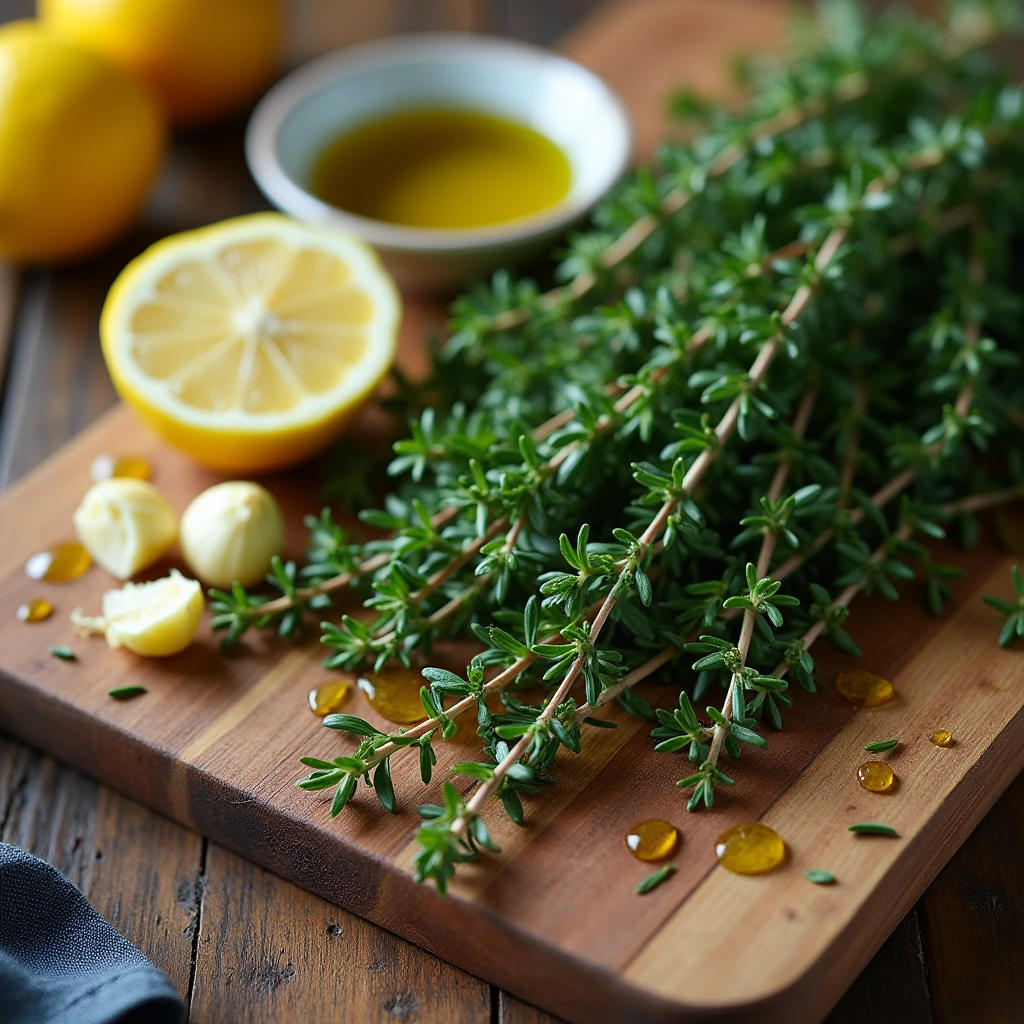
- Fresh herbs such as parsley or rosemary
- Lemon juice, if desired
- Fresh vegetables or a salad for serving
When buying packaged meat, the ingredient list is especially important for processed products. Fresh, unseasoned meat may have a very short ingredient list, while processed meat can contain salt, preservatives, flavorings, or other ingredients.
Always read the label rather than relying only on advertising words on the front of the package.
PREPARATION
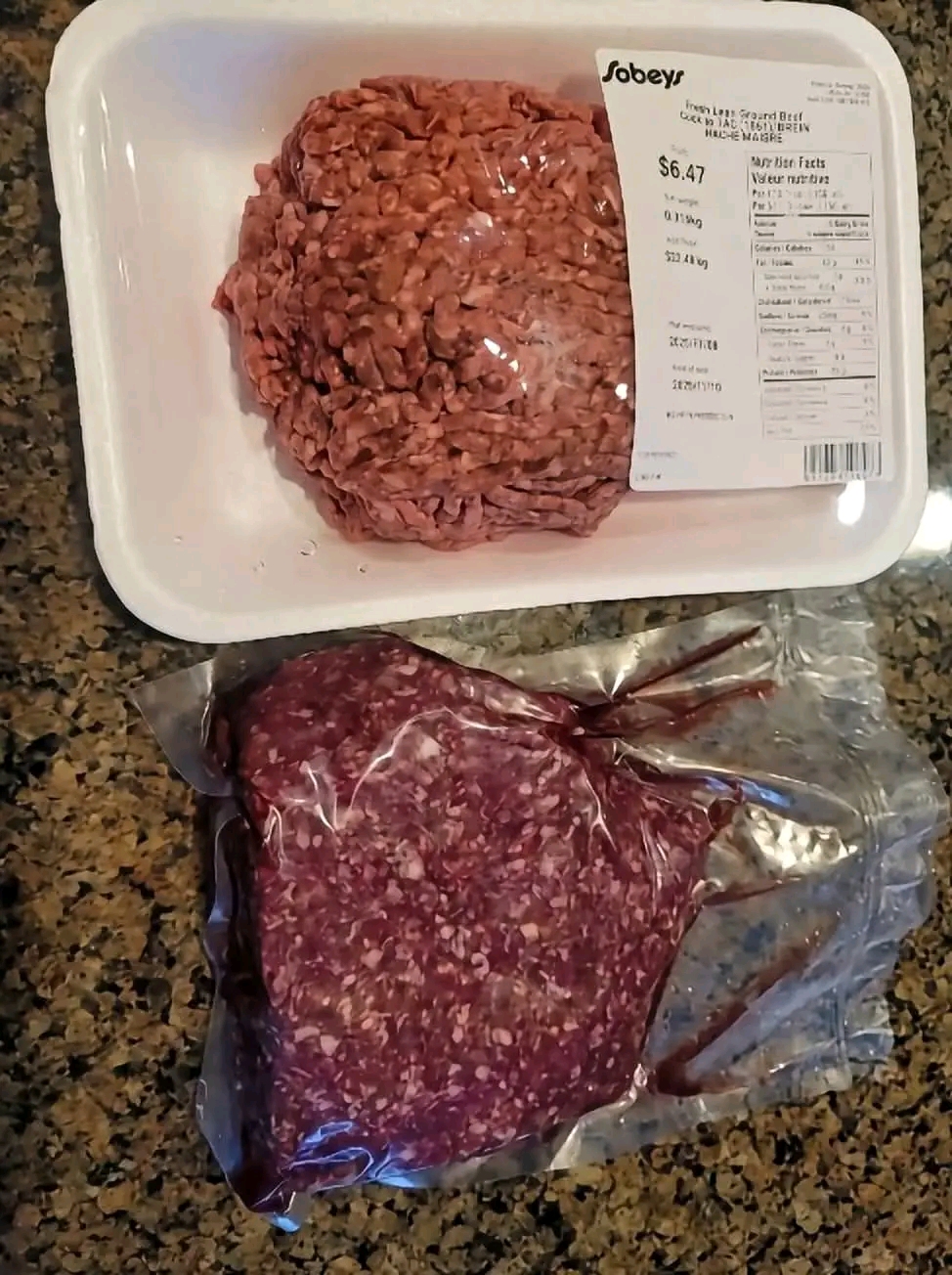
Start by checking the package before opening it. Make sure it is properly sealed and has been stored at the correct temperature. Check the use-by or expiration information and avoid products with damaged or leaking packaging.
Place the meat on a clean preparation surface and season it with olive oil, garlic, paprika, black pepper, and a moderate amount of salt. Add herbs or lemon juice according to your preference.
Cook the meat thoroughly using a suitable method such as baking, grilling, pan-frying, or roasting. The exact cooking time depends on the type and thickness of the meat.
For food safety, do not rely solely on color to decide whether meat is cooked. Using a food thermometer is a much more reliable method, particularly for poultry and thicker cuts.
Avoid cross-contamination by keeping raw meat away from foods that are ready to eat. Wash your hands, utensils, and preparation surfaces after handling raw meat.
Serve the cooked meat with vegetables, salad, beans, potatoes, or another nutritious side dish. A balanced plate can provide protein while also adding fiber, vitamins, and minerals.
CONTRAINDICATIONS
Meat can be part of a healthy diet, but it may not be appropriate in unlimited quantities for everyone.
People with specific medical conditions or dietary restrictions may need to limit certain types of meat. Processed meats can contain substantial amounts of sodium and other additives, while fatty cuts may contain more saturated fat.
People who have been advised by a healthcare professional to follow a specific diet should follow that individualized guidance rather than changing their diet based solely on information found online.
Anyone with a known food allergy or intolerance should carefully check ingredients, particularly when purchasing marinated, seasoned, or processed meat.
Pregnant people, young children, older adults, and individuals with weakened immune systems should be particularly careful about food hygiene and cooking meat thoroughly.
MEDICAL CONSULTATION & SIDE EFFECTS
Eating contaminated or undercooked meat can increase the risk of foodborne illness. Symptoms may include nausea, vomiting, diarrhea, stomach cramps, and fever.
If severe symptoms occur, if there is blood in the stool, if dehydration develops, or if symptoms persist or become worse, medical attention may be necessary.
Some people may also experience digestive discomfort after eating large portions of fatty or heavily processed meat. Reducing portion sizes and choosing leaner, less processed options may help.
If you have a medical condition that affects your digestion, cholesterol, heart health, kidneys, or metabolism, speak with a qualified healthcare professional about the amount and type of meat that is appropriate for you.
Most importantly, do not assume that a supermarket label automatically means a product is either healthy or unhealthy. Look at the complete nutritional and product information.
SUMMARY
You do not have to be fooled by supermarket marketing when buying meat.
Instead of focusing on sensational claims, learn to look at the details that matter: the type and cut of meat, ingredient list, nutritional information, country of origin where provided, storage conditions, package condition, and use-by date.
Choose less processed options when possible, keep raw meat separate from ready-to-eat foods, and cook it safely. Combining a reasonable portion of protein with plenty of vegetables and other nutritious foods can make a simple meat meal more balanced.
The smartest supermarket shopper is not necessarily the person who buys the most expensive package. It is the person who knows how to read the label and make an informed choice.
FAQ – FREQUENTLY ASKED QUESTIONS
Is supermarket meat safe to eat?
Meat sold through regulated supermarkets is generally subject to food-safety requirements. However, consumers should still check packaging, storage conditions, dates, and cooking instructions.
How can I tell if meat is fresh?
Check the package condition, use-by date, storage temperature, and product information. An unusual smell, damaged packaging, or other obvious signs of spoilage are reasons not to use the product.
Is expensive meat always better?
Not necessarily. Price can reflect the cut, production methods, brand, location, and other factors. A higher price does not automatically mean better nutritional value.
Should I avoid all processed meat?
Not necessarily, but processed meats can contain higher amounts of sodium and other ingredients. Eating them less frequently and choosing minimally processed foods more often can be a sensible approach.
What is the safest way to cook meat?
Use appropriate cooking temperatures and a food thermometer when possible. Different types and cuts of meat require different safe internal temperatures.
Can meat be part of a healthy diet?
Yes. Meat can provide high-quality protein and important nutrients. The overall diet, portion size, preparation method, and frequency of consumption all matter.
What should I look for on a meat label?
Look for the product name, ingredients, nutritional information, dates, storage instructions, and origin information where provided. Reading the complete label is more reliable than judging a product from its advertising claims alone.