Introduction
Eating garlic before bed is a traditional habit that many people explore for its potential health benefits. Garlic (Allium sativum) is a flavorful kitchen ingredient rich in sulfur-containing compounds, including allicin, which forms when fresh garlic is crushed or chopped. These compounds have attracted scientific interest because of their antioxidant and cardiovascular effects.
But what actually happens when you eat garlic at night? Can it support heart health, digestion, or the immune system? And is eating raw garlic before sleeping suitable for everyone?
In this guide, you will discover a simple garlic recipe, its nutritional value, practical serving suggestions, and important precautions. Although garlic can be part of a balanced diet, it is not a miracle cure, and its effects are not necessarily immediate.
Ingredients List
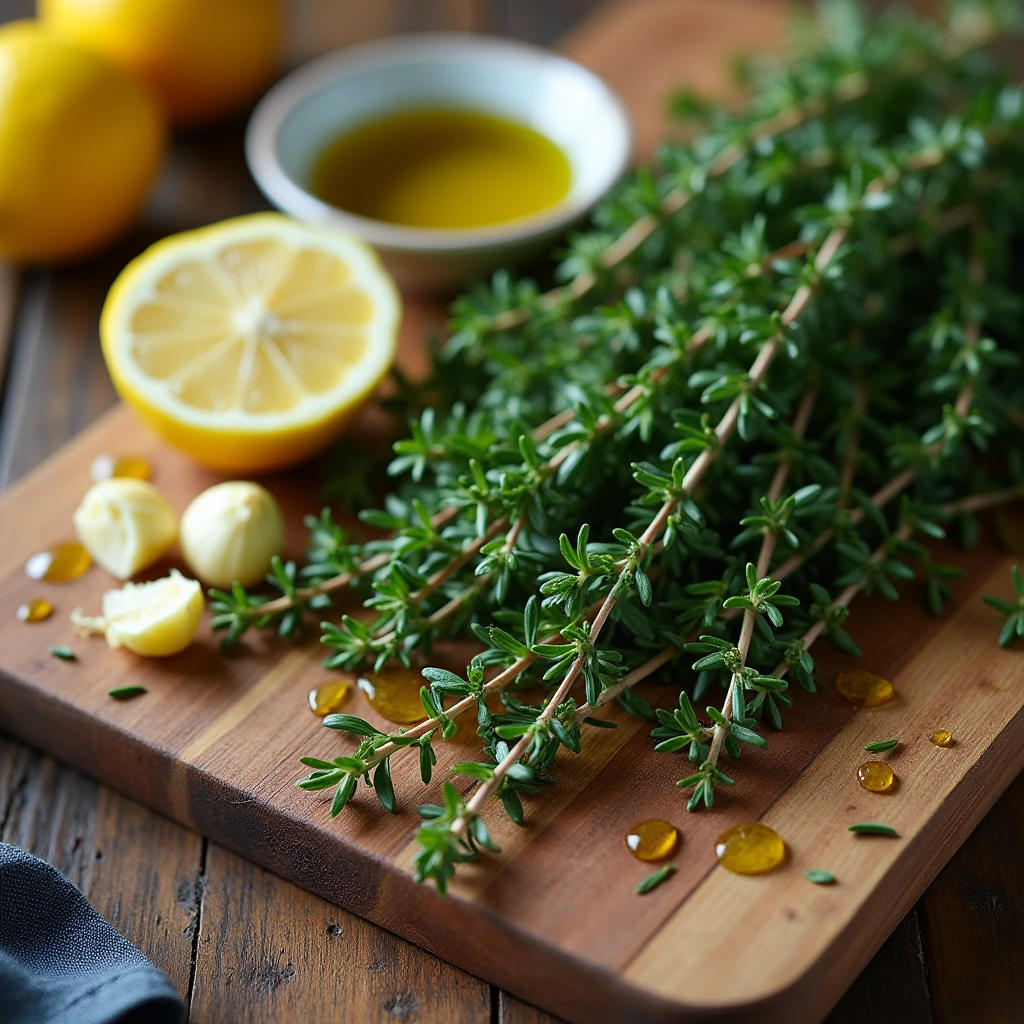
This simple recipe combines fresh garlic with optional ingredients that help soften its strong, pungent flavor.
Ingredients
- 1 small clove of fresh garlic: Provides the characteristic aroma and naturally occurring sulfur compounds.
- 1 teaspoon of extra-virgin olive oil: Adds a smooth texture and healthy unsaturated fats.
- 1 teaspoon of plain yogurt (optional): Helps mellow the garlic’s sharp taste.
- A small piece of whole-grain bread (optional): Provides carbohydrates and fiber to accompany the garlic.
- A few drops of lemon juice (optional): Adds a fresh, tangy flavor.
Ingredient Substitutions
- Replace olive oil with another unsaturated vegetable oil if preferred.
- Use unsweetened plant-based yogurt instead of dairy yogurt.
- If raw garlic tastes too strong, use a small amount of cooked garlic instead.
- If you have a sensitive stomach, skip the raw garlic and incorporate a little cooked garlic into your evening meal.
Important: You do not need to eat garlic on an empty stomach or immediately before lying down to obtain its nutritional benefits.
Timing
This recipe requires very little preparation.
| Activity | Estimated time |
|---|---|
| Peeling the garlic | 1 minute |
| Crushing or chopping | 1 minute |
| Mixing the ingredients | 1 minute |
| Total preparation time | 3 minutes |
| Cooking time | None |
There is no cooking required when preparing the raw version. If you prefer roasted or sautéed garlic, allow approximately 5–15 additional minutes, depending on your cooking method.
Unlike elaborate homemade remedies, this recipe can be prepared in just a few minutes. However, quick preparation does not mean that the health effects are instant.
Step-by-Step Instructions
Step 1: Choose Fresh Garlic
Select a firm garlic bulb with dry, papery skin. Avoid cloves that are moldy, unusually soft, or showing signs of spoilage.
Fresh garlic generally has a strong, distinctive aroma and a firm texture.
Step 2: Peel One Small Clove
Remove the papery outer skin and inspect the clove. For beginners, a small clove is a sensible starting point because raw garlic can be particularly pungent.
You do not need to consume several cloves to make your meals nutritious.
Step 3: Crush or Finely Chop the Garlic
Use a clean knife or garlic press to crush the clove. Crushing garlic helps bring together compounds that contribute to the formation of allicin.
Letting crushed garlic stand for approximately 5–10 minutes before adding it to food may allow more time for this reaction. However, this does not guarantee a specific health effect.
Step 4: Combine with Olive Oil or Yogurt
Mix the crushed garlic with a teaspoon of olive oil or a little plain yogurt. These ingredients can make the flavor more pleasant and help distribute the garlic evenly.
If raw garlic causes discomfort, use cooked garlic instead.
Step 5: Eat It with Food if Necessary
Enjoy the mixture with a small piece of whole-grain bread or as part of a light evening meal.
Eating raw garlic on an empty stomach is not necessary. In fact, people prone to heartburn or stomach irritation may tolerate garlic better when it is eaten with food.
Step 6: Pay Attention to Your Body
Notice whether you experience heartburn, abdominal discomfort, nausea, bloating, or other unwanted symptoms.
There is no scientifically established bedtime garlic dose that guarantees better sleep, improved circulation, or disease prevention. Stop eating it if it repeatedly causes discomfort.
Nutritional Information
Garlic contains several nutrients and naturally occurring plant compounds, although the amount consumed in one small clove is relatively modest.
Approximate nutritional values for one raw garlic clove weighing 3 grams are:
| Nutrient | Approximate amount |
|---|---|
| Calories | 4–5 kcal |
| Carbohydrates | 1 g |
| Protein | 0.2 g |
| Fat | Negligible |
| Fiber | 0.1 g |
| Vitamin C | 1 mg |
| Manganese | 0.05 mg |
Values vary with clove size and growing conditions. Adding olive oil, bread, or yogurt changes the nutritional totals.
Potential Health Benefits of Garlic
1. Supports a Balanced Diet
Garlic adds flavor without requiring large quantities of salt or sugar. Replacing some salt-heavy seasonings with garlic can help make meals more suitable for a heart-conscious eating pattern.
2. Contains Antioxidant Compounds
Garlic contains sulfur compounds and other substances studied for their antioxidant activity. Antioxidants help protect cells from oxidative damage, although eating garlic does not prevent every condition associated with oxidative stress.
3. May Support Cardiovascular Health
Some clinical studies suggest that particular garlic preparations may modestly improve blood pressure or cholesterol measurements in certain people. Results vary by preparation, dose, and individual health status. Evidence from supplements cannot automatically be applied to one raw clove eaten at bedtime.
4. Contributes to Dietary Variety
Garlic can make vegetables, legumes, fish, and whole grains more flavorful. These foods can contribute to an overall balanced eating pattern associated with better long-term health.
5. Has Compounds Studied for Their Antimicrobial Activity
Laboratory research has investigated garlic compounds for activity against certain microorganisms. However, laboratory findings do not establish that eating garlic treats infections in the human body.
What about sleep and digestion?
There is insufficient evidence that eating garlic before bed directly improves sleep quality or acts as a treatment for digestive disorders. For some people, raw garlic can actually worsen heartburn or indigestion.
Healthier Alternatives for the Recipe
If raw garlic is too strong or uncomfortable, you can adjust the preparation without losing its distinctive flavor.
1. Cooked Garlic with Vegetables
Lightly cook chopped garlic with vegetables, such as zucchini, carrots, or spinach. This creates a milder flavor and may be easier to tolerate than raw garlic.
2. Garlic and Olive Oil on Whole-Grain Bread
Spread a small amount of garlic mixed with olive oil on whole-grain toast. This makes a simple savory snack that supplies more dietary fiber than garlic alone.
3. Garlic in Vegetable Soup
Add cooked garlic to homemade vegetable soup with beans, lentils, or other vegetables. This is a practical way to include garlic in a balanced meal.
4. Garlic and Plain Yogurt Dip
Combine a little finely chopped garlic with plain yogurt, cucumber, and herbs. Serve it with vegetables for a refreshing snack.
5. Garlic in a Mediterranean-Style Meal
Use garlic with olive oil, tomatoes, beans, and leafy greens. This combination emphasizes a varied eating pattern rather than relying on a single ingredient for health.
People with garlic allergies should avoid garlic in all forms. Those with significant digestive sensitivity should choose alternatives that do not trigger symptoms.
Serving Suggestions
You can enjoy garlic in several simple ways:
- With dinner: Add cooked garlic to roasted vegetables or fish.
- With whole grains: Mix garlic into brown rice, quinoa, or whole-grain bread.
- With soup: Stir cooked garlic into lentil or vegetable soup.
- With yogurt: Prepare a small garlic-yogurt dip for raw vegetables.
- With olive oil: Combine garlic and olive oil as a seasoning for a balanced meal.
If you choose to eat garlic in the evening, allow enough time before lying down if you are prone to reflux. The best serving time is the one that fits your eating habits and does not cause discomfort.
Common Mistakes to Avoid
1. Believing Garlic Works Instantly
Garlic is a food, not an instant treatment. There is no reliable evidence that eating one clove before sleeping immediately cleanses the blood, eliminates infections, or normalizes blood pressure.
2. Eating Too Much Raw Garlic
Large quantities may cause burning sensations, abdominal pain, nausea, diarrhea, or heartburn. More garlic does not necessarily mean greater health benefits.
3. Taking Garlic on an Empty Stomach Despite Discomfort
Some people tolerate raw garlic poorly without food. If it causes irritation, try cooked garlic in a meal or stop consuming it.
4. Using Garlic Instead of Medication
Garlic should not replace prescribed medication for high blood pressure, high cholesterol, infections, or other medical conditions.
5. Ignoring Medication Interactions
Garlic supplements, in particular, may increase bleeding risk when combined with anticoagulants or antiplatelet medicines. Concentrated preparations can also interact with other treatments.
6. Assuming Raw Garlic Is Always Better
Crushing garlic changes its chemistry, while heating changes some of its compounds. Raw and cooked garlic both have culinary value, and the best choice depends on taste, tolerance, and overall dietary habits.
Storing Tips for the Recipe
For the freshest flavor and best food safety:
- Store whole garlic bulbs in a cool, dry, well-ventilated place.
- Peel and crush garlic shortly before use when practical.
- Refrigerate prepared garlic mixed with yogurt in a covered container and consume it promptly, following the yogurt’s storage instructions.
- Do not leave prepared food containing fresh garlic at room temperature for extended periods.
- Never store fresh garlic submerged in oil at room temperature. Garlic-in-oil mixtures can support the growth of Clostridium botulinum, the bacterium responsible for botulism.
- For homemade garlic-in-oil preparations, use a tested food-safety recipe and follow its exact refrigeration and storage limits. Freezing is a safer option for longer storage.
For a simple bedtime snack, preparing only what you intend to eat is generally the easiest approach.
Medical Precautions and Possible Side Effects
Although garlic is commonly eaten as food, raw garlic is not suitable for everyone.
Use caution if you:
- Experience frequent heartburn, gastroesophageal reflux, or stomach irritation.
- Take blood-thinning medication, such as warfarin, or antiplatelet medication, such as clopidogrel.
- Are scheduled for surgery and use garlic supplements.
- Have a known garlic allergy.
- Take medication for a chronic condition and are considering concentrated garlic supplements.
Garlic supplements may affect bleeding risk and can interact with certain medicines. Discuss their use with a healthcare professional before starting them.
Seek medical advice if you have persistent digestive symptoms, unusual bleeding, or concerns about blood pressure or cholesterol. Sudden chest pain, difficulty breathing, or signs of a severe allergic reaction require urgent medical attention.
Conclusion
Eating garlic before bed can be a simple way to include a flavorful, nutrient-containing ingredient in your diet, but it is not a miracle remedy. Choose a small amount, consider cooked garlic if needed, and prioritize balanced meals. Try the recipe and share your experience in the comments. Subscribe for more evidence-informed food and wellness guides.
FAQs – Frequently Asked Questions
1. What happens if I eat garlic before bed?
You consume sulfur-containing compounds and small amounts of nutrients. Some people tolerate garlic well, while others may experience heartburn, gas, or stomach discomfort. There is no guaranteed immediate effect.
2. Is it good to eat raw garlic every night?
Small amounts of raw garlic may fit into a balanced diet if you tolerate it. However, there is no established requirement to eat it every night, and people with digestive symptoms may prefer cooked garlic.
3. Does garlic before bed help lower blood pressure?
Some studies of specific garlic preparations suggest modest blood-pressure benefits in certain people. These findings do not prove that one raw clove before bed will lower blood pressure. Continue prescribed treatment and consult your healthcare professional.
4. Can garlic improve sleep?
There is insufficient clinical evidence that garlic directly improves sleep. If it causes reflux or digestive discomfort, eating it close to bedtime may make sleep less comfortable.
5. Should I swallow a whole garlic clove?
Swallowing a whole clove is not necessary and may pose a choking risk. If you choose to eat garlic, crush or chop it and mix it into food.
6. Can garlic cleanse the liver or kidneys?
There is no good evidence that eating garlic at bedtime detoxifies the liver or kidneys. These organs already perform essential waste-processing functions. Garlic should not be used as a treatment for kidney or liver disease.
7. Is garlic better raw or cooked?
Both forms can be part of a healthy diet. Crushing raw garlic encourages the formation of allicin, while cooking changes its chemical composition and makes its flavor milder. Choose the form you tolerate best.
8. Can I eat garlic if I take blood thinners?
Ask your doctor or pharmacist before using garlic supplements or consuming unusually large amounts of garlic. Supplements may increase bleeding risk, and your individual medication regimen matters.
9. How much garlic should I eat before bed?
There is no medically established bedtime dose. A small clove used in food may be reasonable for many adults, but individual tolerance varies. Avoid forcing yourself to eat raw garlic for a supposed therapeutic effect.
10. Can garlic replace antibiotics or cholesterol medication?
No. Garlic is a food, not a substitute for antibiotics, prescribed cholesterol medication, or treatment for high blood pressure. Speak with a healthcare professional before making changes to your treatment plan.