Introduction
Garlic in your ear is a traditional home remedy that has circulated for generations, often promoted online for earaches, congestion, or ear infections. Garlic contains compounds such as allicin that have antimicrobial activity in laboratory settings, but that does not mean putting raw garlic inside the ear has been proven safe or effective for treating an ear condition.
The idea sounds simple: use a natural ingredient that is already common in the kitchen. However, the ear is delicate, and home remedies can sometimes cause more harm than good. In particular, inserting garlic cloves, garlic juice, or garlic oil directly into the ear canal may cause irritation, burns, allergic reactions, or injury to the eardrum.
So, does this popular remedy really work? The evidence is limited, and garlic should not replace appropriate medical evaluation when an ear infection or other ear problem is suspected.

Ingredients List
If your goal is to explore garlic safely rather than place it inside the ear, you can use garlic as part of your regular diet.
For a simple food-based garlic preparation:
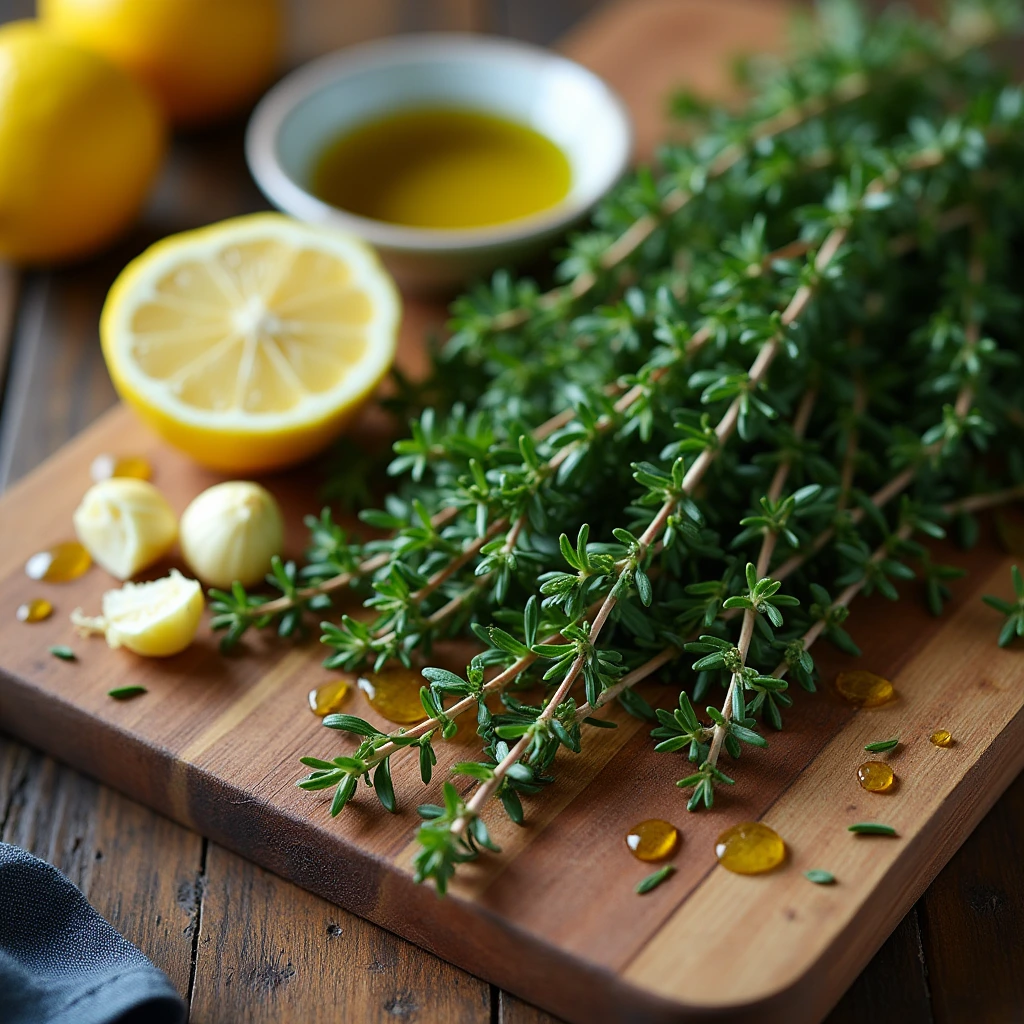
- 1 fresh garlic clove, peeled and finely chopped
- 1 teaspoon extra-virgin olive oil
- Fresh parsley or another herb, optional
- A small amount of lemon juice, optional
Important: These ingredients are for food use only. Do not place raw garlic, garlic juice, garlic oil, or homemade garlic preparations into the ear canal.
For people who cannot tolerate garlic, cooked onion, herbs, or other flavorful vegetables can provide alternatives in meals, although they should not be considered substitutes for medical treatment.
Timing
This is not an ear treatment recipe, but a safe food-based garlic preparation can be made quickly:
- Preparation: 5 minutes
- Cooking: 0–5 minutes, depending on preference
- Total time: About 5–10 minutes
There is no scientifically established preparation time, dosage, or duration that makes placing garlic in the ear an effective treatment.
Step-by-Step Instructions
Step 1: Prepare the Garlic
Peel one fresh garlic clove and chop or crush it. Crushing garlic releases sulfur-containing compounds, including allicin.
Avoid squeezing garlic juice directly into the ear.
Step 2: Combine With Food
Mix the garlic with olive oil, herbs, or another food ingredient. You can use the mixture as a dressing or flavoring for vegetables, grains, soups, or other meals.
Step 3: Keep Garlic Out of the Ear Canal
This is the most important safety step. Do not insert a whole garlic clove, pieces of garlic, cotton swabs coated with garlic, or homemade garlic oil into the ear.
Even a natural ingredient can irritate sensitive tissue.
Step 4: Pay Attention to Ear Symptoms
If you have ear pain, drainage, hearing loss, dizziness, fever, or symptoms that persist, seek medical advice rather than repeatedly trying home remedies.
An earache can have many causes, including infection, wax buildup, irritation, dental problems, or problems involving the middle ear.
Nutritional Information
Garlic is a low-calorie food that can contribute flavor and nutrients to a balanced diet.
For approximately one average raw garlic clove, nutritional values are roughly:
| Nutrient | Approximate amount |
|---|---|
| Calories | 4–5 kcal |
| Carbohydrates | ~1 g |
| Protein | ~0.2 g |
| Fat | Trace amount |
| Fiber | ~0.1 g |
The exact nutritional content varies according to clove size and preparation.
Garlic also contains sulfur-containing compounds and small amounts of several vitamins and minerals. However, eating garlic for general nutrition is very different from using garlic as an ear treatment.
Healthier Alternatives for the Recipe
If you enjoy garlic but want a more balanced preparation:
- Use roasted garlic: Roasting produces a milder, sweeter flavor.
- Add fresh herbs: Parsley, basil, or cilantro can increase flavor without relying on excess salt.
- Use extra-virgin olive oil: A small amount can create a flavorful dressing.
- Combine with vegetables: Add garlic to roasted vegetables, beans, or whole grains.
- Choose cooked garlic if raw garlic causes stomach discomfort.
For an earache, however, the healthier alternative is not another homemade ear remedy—it is identifying the cause and using appropriate medical care.
Serving Suggestions
Garlic prepared for food can be enjoyed in many simple ways:
- Toss it with roasted vegetables.
- Stir it into a bean or lentil dish.
- Add it to homemade salad dressing.
- Mix cooked garlic into mashed vegetables.
- Use it to flavor soups and whole-grain dishes.
If you are experiencing ear symptoms, enjoy garlic as food rather than applying it to the ear.
Common Mistakes to Avoid
Putting a Whole Garlic Clove Inside the Ear
A garlic clove can become lodged in the ear canal and may be difficult to remove safely.
Using Garlic Juice Directly
Concentrated garlic can irritate delicate skin and may cause significant discomfort.
Assuming “Natural” Means “Safe”
Natural substances can still cause irritation, burns, allergic reactions, or other complications.
Ignoring Persistent Symptoms
An ear infection or another underlying condition may require professional treatment. Delaying care while repeatedly trying home remedies can allow symptoms to worsen.
Using Cotton Swabs Inside the Ear
Cotton swabs can push earwax deeper and potentially injure the ear canal or eardrum.
Storing Tips for the Recipe
For food preparation, store leftover chopped or prepared garlic in a clean, covered container in the refrigerator and use it promptly.
Do not prepare homemade garlic oil and store it at room temperature. Homemade garlic-in-oil mixtures can create conditions favorable to the growth of Clostridium botulinum, the bacterium associated with botulism.
Most importantly, never store a homemade garlic preparation specifically for later insertion into the ear.
Conclusion
Garlic is a nutritious food, but garlic in your ear is not a proven treatment for ear infections or earaches. Avoid inserting garlic or homemade garlic oil into the ear canal because irritation and injury are possible. Enjoy garlic safely in meals, and seek medical advice for persistent or severe ear symptoms. Try the food-based preparation, share your experience in the review section or leave a comment on our blog, and subscribe for more updates.
FAQs
Does putting garlic in your ear cure an ear infection?
No. There is not enough reliable clinical evidence to conclude that placing garlic in the ear cures an ear infection. Some laboratory studies show antimicrobial properties in garlic compounds, but laboratory activity does not establish that putting garlic into an ear is a safe or effective treatment.
Can garlic help an earache?
Garlic itself has not been established as a reliable treatment for ear pain. Because earaches have different causes, the appropriate treatment depends on what is causing the pain.
Is garlic oil safe for the ears?
Commercial ear products containing garlic may be formulated specifically for ear use, but homemade garlic oil is different. Homemade preparations can vary in concentration and may irritate the ear or be unsafe if the eardrum is damaged.
Can I put garlic juice in my ear?
It is best not to put raw garlic juice into the ear canal. It can irritate delicate tissue and potentially cause injury.
What should I do if I accidentally put garlic in my ear?
Do not push it deeper or attempt aggressive removal. If a piece is stuck, or if you develop significant pain, bleeding, discharge, dizziness, or hearing changes, contact a healthcare professional.
When should I see a doctor for ear pain?
Seek medical attention for severe or persistent pain, fever, fluid or pus coming from the ear, significant hearing loss, dizziness, swelling, or symptoms following an injury. Young children with ear pain may also need prompt evaluation.
Can I eat garlic while I have an ear infection?
Generally, garlic can be part of a normal balanced diet unless you have an allergy, intolerance, or another medical reason to avoid it. Eating garlic, however, should not be considered a substitute for treatment of an ear infection.
What is the safest way to use garlic?
For most people, using garlic as a food ingredient is the simplest and safest approach. Add it to cooked vegetables, soups, sauces, grains, or other meals rather than putting it into body openings.