Introduction
An herbal oil wellness routine can be a pleasant way to add relaxation, massage, and aromatic self-care to your day. While some plant-based oils are traditionally used for massage and relaxation, it is important to understand that they do not eliminate uric acid from the bloodstream or cure anxiety, arthritis, rheumatism, nicotine dependence, or alcohol dependence.
Massage with a suitable carrier oil may help some people feel more comfortable and relaxed, particularly when combined with other healthy lifestyle habits. This simple recipe focuses on creating a fragrant massage oil for external use.
Focus Keyword: Herbal Oil Wellness Routine
Related terms include natural massage oil, relaxing body oil, aromatherapy, self-care routine, muscle relaxation, carrier oils, essential oil safety, and soothing massage.
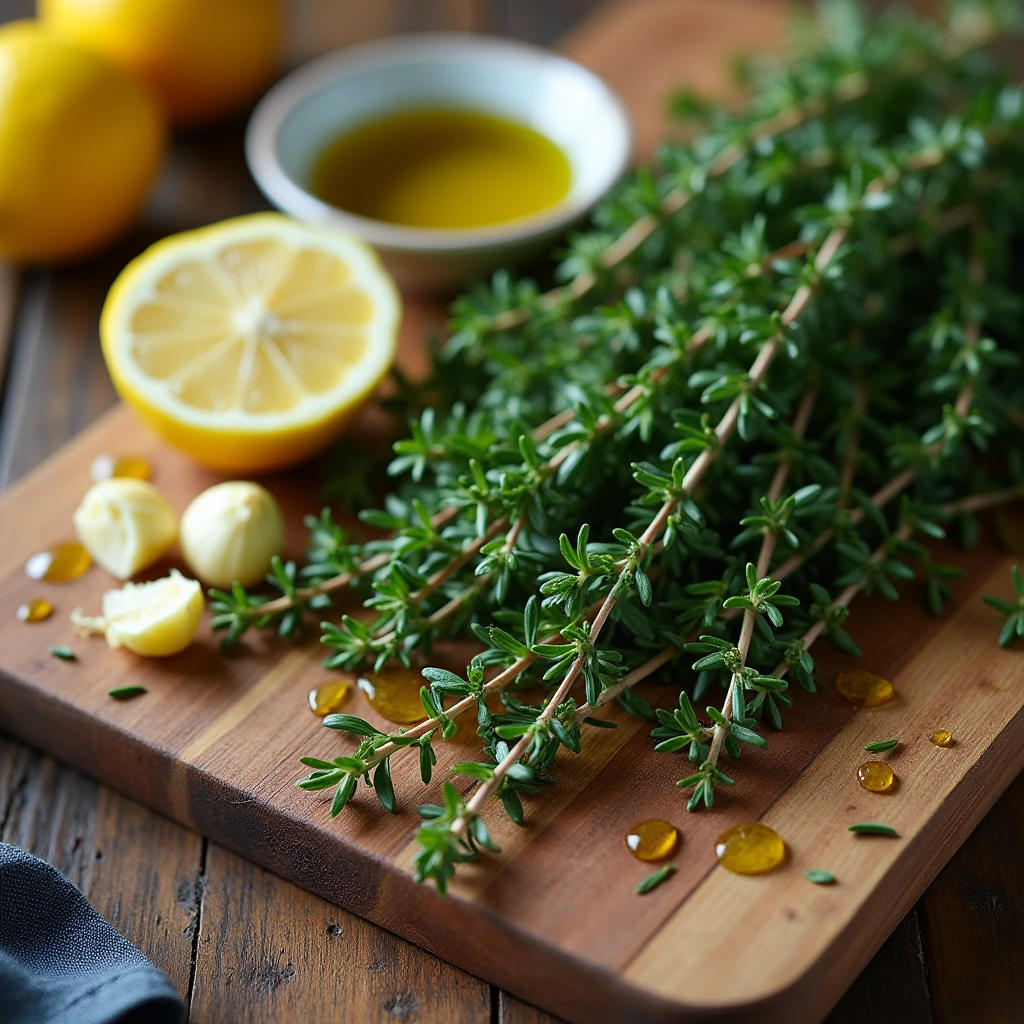
Ingredients List
To make this simple herbal-inspired massage oil, you will need:
- ½ cup unscented carrier oil, such as sweet almond oil or jojoba oil
- 1 tablespoon dried lavender flowers, optional
- 1 tablespoon dried chamomile flowers, optional
- 3–5 drops lavender essential oil, optional
- A clean glass bottle or jar
Possible Substitutions
- Jojoba oil: A lightweight option with a smooth texture.
- Fractionated coconut oil: A light, easily spreadable alternative.
- Grapeseed oil: Suitable for people who prefer a less heavy feel.
Choose ingredients based on your skin sensitivity and personal preferences. If using essential oils, always use them in appropriate dilution.
Timing
- Preparation time: 10 minutes
- Optional infusion time: 24–48 hours
- Total active preparation time: Approximately 10 minutes
Preparing the mixture requires very little hands-on time, making it convenient for a regular self-care routine.
Step-by-Step Instructions
Step 1: Prepare a Clean Container
Wash and completely dry your glass jar or bottle. Moisture can encourage spoilage, so make sure the container is thoroughly dry before adding the oil.
Step 2: Add the Dried Herbs
If using lavender or chamomile flowers, place the completely dried herbs into the jar. Avoid fresh herbs unless you understand how to safely prepare infused oils, as moisture can increase the risk of contamination.
Step 3: Pour in the Carrier Oil
Slowly pour your chosen carrier oil over the herbs. The flowers should be fully covered.
Step 4: Allow the Oil to Infuse
Seal the container and leave it in a cool, dark place for 24–48 hours for a light infusion. For a stronger homemade infusion, appropriate preparation and storage practices are important.
Step 5: Strain if Desired
If you used dried herbs, strain the oil through a clean, fine filter before transferring it to a storage bottle.
Step 6: Add Essential Oil Carefully
If desired, add a small amount of properly diluted lavender essential oil. Mix gently.
Step 7: Perform a Patch Test
Before applying the product more widely, test a small amount on a small area of skin and wait to check for irritation.
Nutritional Information
Because this is an external-use massage oil, nutritional information is generally not applicable.
However, the ingredients can contribute to the sensory experience of the product:
- Carrier oils: Provide lubrication and help the oil spread across the skin.
- Lavender aroma: Often used in relaxation and aromatherapy practices.
- Chamomile aroma: Commonly associated with calming self-care rituals.
This product is not intended as a food or dietary supplement unless the ingredients are specifically prepared and labeled for safe consumption.
Healthier Alternatives for the Recipe
You can adapt this herbal oil wellness routine according to your needs.
For Fragrance-Free Skin Care
Skip essential oils and herbs and use a plain, fragrance-free carrier oil.
For Sensitive Skin
Choose a minimal-ingredient formulation and perform a patch test before use.
For a Relaxation Routine
Pair a gentle massage with evidence-based stress-management practices, such as:
- Deep breathing
- Regular physical activity
- Adequate sleep
- Mindfulness or meditation
- Talking with a qualified healthcare professional when needed
For arthritis, gout, anxiety, or substance dependence, professional medical guidance is especially important.
Serving Suggestions
This oil is for external use only. Consider using it:
- During a gentle shoulder or hand massage
- As part of an evening relaxation routine
- After a warm shower, if suitable for your skin
- For a calming self-care moment at home
Use a small amount rather than saturating the skin.
Common Mistakes to Avoid
Using Essential Oils Undiluted
Essential oils can cause irritation or allergic reactions when applied directly to the skin. Always use appropriate dilution.
Assuming Natural Means Risk-Free
Natural products can still cause allergic reactions, interact with medications, or irritate the skin.
Using the Oil as a Medical Treatment
This massage oil should not replace medical care for gout, elevated uric acid, chronic arthritis, anxiety, rheumatic disease, nicotine dependence, or alcohol dependence.
Ignoring Persistent Symptoms
Joint swelling, severe pain, sudden inflammation, significant anxiety, or substance dependence should be discussed with a qualified healthcare professional.
Storing Tips for the Recipe
Store the finished oil:
- In a clean, tightly sealed container
- Away from direct sunlight
- In a cool, dry place
- Away from children and pets
Discard the product if you notice an unusual smell, discoloration, mold, or other signs of spoilage.
Conclusion
An herbal oil wellness routine can provide a pleasant massage and relaxation experience when prepared and used safely. Enjoy it as part of self-care, but avoid treating it as a cure for medical conditions. Try the recipe, share your experience in the comments, and subscribe for more wellness updates.
FAQs
Can this oil eliminate uric acid from the bloodstream?
No reliable evidence shows that a topical herbal oil can eliminate uric acid from the bloodstream. High uric acid and gout should be evaluated and managed with appropriate medical advice.
Can massage oil cure arthritis or rheumatism?
No. Massage may provide temporary comfort for some people, but it does not cure arthritis or rheumatic diseases.
Can essential oils treat anxiety?
Some people find certain scents relaxing, but essential oils should not replace evidence-based treatment for anxiety, especially when symptoms are persistent or severe.
Can this oil reduce cravings for cigarettes or alcohol?
There is no established evidence that a topical herbal oil reduces nicotine or alcohol dependence. Effective treatments and professional support are available for people who want to reduce or stop using tobacco or alcohol.
Is this oil safe for everyone?
Not necessarily. People with allergies, sensitive skin, certain medical conditions, or those who are pregnant or breastfeeding should check ingredient safety and consult an appropriate healthcare professional when necessary.
Should I perform a patch test?
Yes. Testing a small amount on a limited area of skin can help identify irritation or sensitivity before wider use.