Introduction
If you’ve ever wondered how French home cooks make roasted chicken, grilled vegetables, or a simple pot of beans taste so much more interesting, the answer is often a good herbs de provence recipe. This fragrant blend of dried herbs is one of the easiest ways to bring rustic, sun-soaked flavor to your kitchen — and the best part is, you can mix it yourself in about five minutes with ingredients that are probably already sitting in your spice rack.
In this post, you’ll learn exactly how to make your own herbs de provence blend from scratch, how to use it in everyday cooking, and how to store it so it stays fresh for months. Whether you’re topping a roast chicken, seasoning olive oil for dipping bread, or sprinkling it over roasted potatoes, this blend is one of those pantry staples that quietly makes everything taste better.

Ingredients List
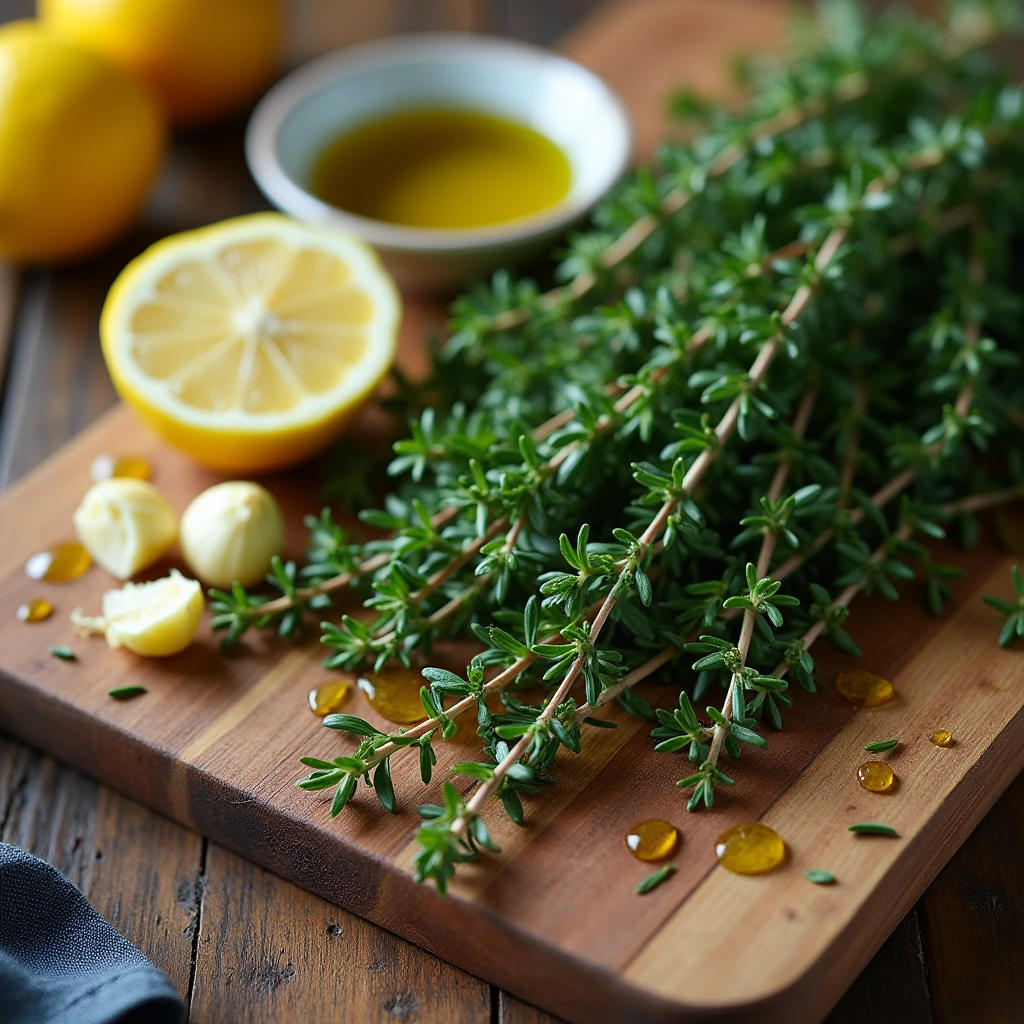
Making herbs de provence at home means you control the ratio, the freshness, and what goes in — no mystery fillers, no anti-caking agents. Here’s what you’ll need:
- 2 tablespoons dried thyme — the backbone of the blend, earthy and slightly minty
- 2 tablespoons dried savory — peppery and slightly bitter; if you can’t find it, add a bit more thyme
- 1 tablespoon dried rosemary, crushed — piney and bold, crush it a little so it’s not too woody in texture
- 1 tablespoon dried marjoram — soft, slightly sweet, similar to oregano but gentler
- 1 tablespoon dried oregano — adds a warm, slightly peppery depth
- 1 teaspoon dried basil — adds a subtle sweetness
- 1 teaspoon fennel seed, lightly crushed — this is optional but gives the blend its distinctive light licorice note
- 1 teaspoon dried lavender buds (culinary grade), optional — traditional in Provençal blends, adds a floral note without tasting soapy if used sparingly
Substitution tips: No savory on hand? Extra thyme works fine. Skip the lavender if you’re not sure about the flavor — the blend is still authentic and delicious without it. If you only have Italian seasoning as a base, you can doctor it up by adding fennel seed and a pinch of lavender to get closer to the real thing.
Timing
- Prep time: 5 minutes
- Cook time: 0 minutes (no cooking required — this is a dry spice blend)
- Total time: 5 minutes
Compared to most homemade spice blends, which can take 15–20 minutes when you’re toasting and grinding whole spices, this herbs de provence recipe comes together roughly 70% faster because everything is simply measured and mixed. That makes it an easy project to knock out while dinner is already in the oven.
Step-by-Step Instructions
Step 1: Gather and Check Your Herbs
Pull out all your dried herbs and give each one a quick sniff test. Dried herbs lose potency over time, so if something smells faint or dusty rather than fragrant, it’s worth replacing before you build your blend. Fresh, aromatic dried herbs make a noticeably better final product.
Step 2: Crush the Rosemary and Fennel Seed
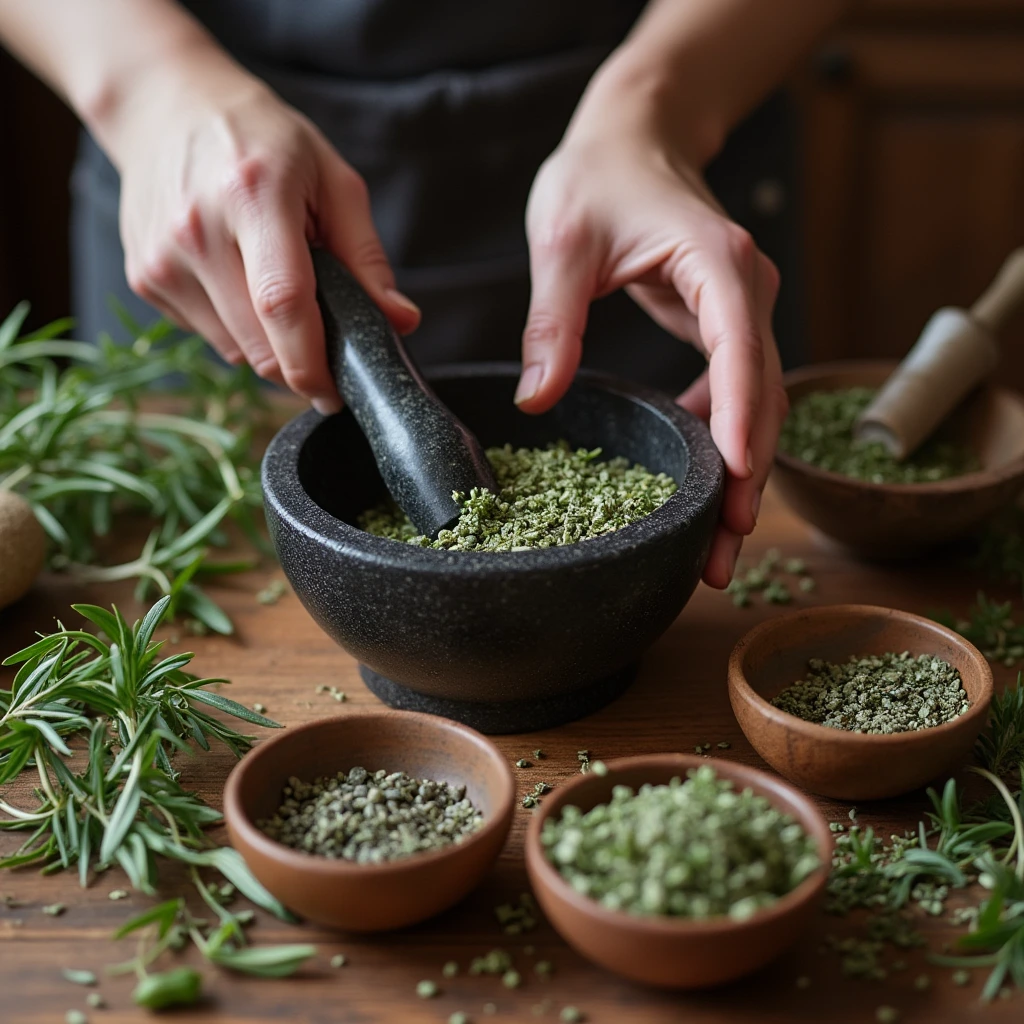
Rosemary leaves and fennel seeds are tougher than the other herbs, so give them a rough crush using a mortar and pestle, or pulse them briefly in a spice grinder. This helps release their oils and keeps the texture consistent so you don’t end up with woody twigs in your finished dish.
Step 3: Combine All the Herbs in a Bowl
Add the thyme, savory, crushed rosemary, marjoram, oregano, basil, fennel seed, and lavender (if using) to a small mixing bowl. Stir everything together with a spoon or small whisk until evenly distributed. Take a moment here — this is the point where the aroma really comes alive, and it’s a good sign your blend is on track.
Step 4: Transfer to an Airtight Container
Spoon the finished blend into a small glass jar or airtight spice container. A jar with a tight-fitting lid protects the herbs from moisture and air, both of which speed up flavor loss.
Step 5: Label and Store
Label the jar with the date you made it. Homemade herbs de provence stays at peak flavor for about 6 months when stored properly, so a simple label helps you keep track and use it while it’s at its best.
Nutritional Information
Because this is a concentrated herb blend used in small amounts, it contributes minimal calories but a meaningful boost of plant compounds. Approximate values per teaspoon (roughly 2 grams):
- Calories: 5–7
- Carbohydrates: 1 g
- Fiber: 0.5 g
- Sodium: 0 mg (unless salt is added separately)
- Antioxidants: Herbs like rosemary and thyme are rich in polyphenols, plant compounds linked to anti-inflammatory benefits
- Iron and calcium: Present in small trace amounts, primarily from thyme and marjoram
Since herbs de provence is typically used as a seasoning rather than a stand-alone ingredient, its nutritional impact comes mainly from flavor-driven benefits — it lets you cut back on added salt and butter while keeping dishes flavorful.
Healthier Alternatives for the Recipe
- Salt-free by design: This blend contains no salt, making it a great way to season food without adding sodium — simply swap it in for salted seasoning mixes in your usual recipes.
- Low-sodium cooking companion: Use it generously on roasted vegetables or grilled proteins instead of reaching for the salt shaker.
- Oil-based infusion: For a lighter alternative to butter-based herb sauces, stir a spoonful into olive oil and use it as a finishing drizzle rather than a heavier compound butter.
- Sugar-free flavor booster: For those cutting back on sugar in glazes or marinades, herbs de provence adds complexity so you can reduce or skip sweeteners in savory dishes.
- Gluten-free and vegan friendly: This blend fits naturally into gluten-free, vegan, and paleo diets since it’s made entirely of dried herbs.
Serving Suggestions
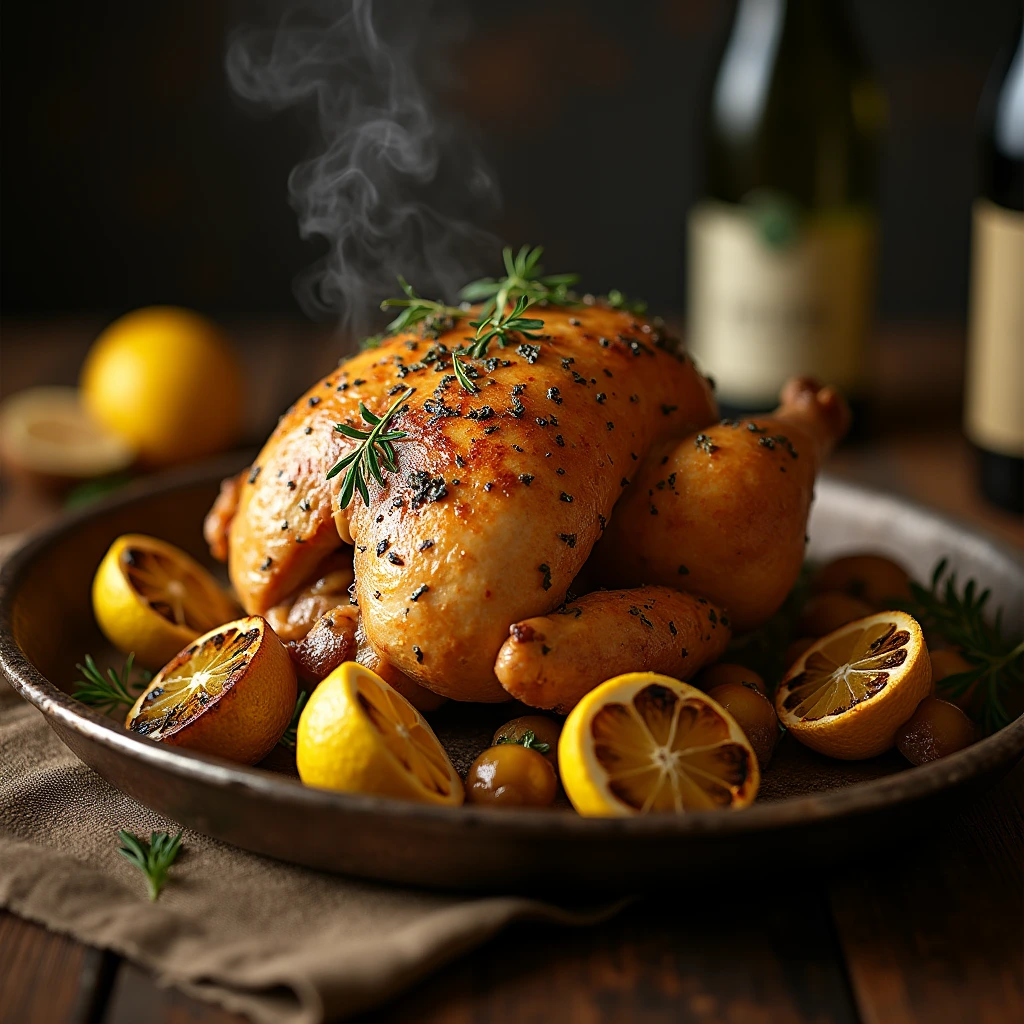
- Rub it generously over chicken, pork, or lamb before roasting for a deeply aromatic crust.
- Toss it with olive oil and diced potatoes or root vegetables before roasting for an easy, fragrant side dish.
- Mix a pinch into softened butter for an instant herb butter to spread on warm bread.
- Sprinkle over goat cheese or a soft cheese log, then drizzle with honey for a simple, elegant appetizer.
- Stir into a vinaigrette for a Provençal-style salad dressing.
- Add to a pot of simmering white beans or lentils for a rustic, French-countryside flavor.
Common Mistakes to Avoid
- Using stale herbs: Dried herbs older than a year often lose most of their aroma. Refresh your spice rack regularly for the best results.
- Overdoing the lavender: Too much lavender can make the blend taste soapy or perfumey. A light hand goes a long way.
- Skipping the crush step: Whole rosemary leaves and fennel seeds can feel woody or gritty in a finished dish if they aren’t crushed first.
- Storing near heat or light: Keeping your spice jar next to the stove might be convenient, but heat and light break down essential oils faster, dulling the flavor.
- Adding it too early in long braises: For dishes that simmer for hours, add herbs de provence in the last 30–40 minutes so the delicate herb notes don’t cook away completely.
Storing Tips for the Recipe
Store your herbs de provence in an airtight glass jar in a cool, dark cabinet — away from the stove or any direct sunlight. Properly stored, the blend keeps its flavor for up to 6 months, though it will remain safe to use well beyond that (it just won’t be as potent). For the freshest flavor, consider making smaller batches every few months rather than one large batch that sits for a long time. If you want to prep ahead for a specific meal, you can also measure out single-use portions into small envelopes or containers for quick grab-and-go seasoning.
Conclusion
This herbs de provence recipe brings authentic French flavor to your kitchen in just five minutes, using pantry staples you likely already have. It’s salt-free, versatile, and perfect for roasted meats, vegetables, and dressings. Try it in your next meal, leave a review below, or subscribe for more easy homemade recipes.
FAQs
Can I use fresh herbs instead of dried for this blend? Fresh herbs contain more moisture, which can cause mold in a stored blend, so dried herbs are recommended for a shelf-stable mix. If you want to use fresh herbs, add them directly to a dish rather than pre-mixing and storing them.
What can I substitute if I don’t have savory or lavender? Extra thyme is the easiest swap for savory, and the blend is still authentic without lavender — many traditional versions leave it out entirely.
Is herbs de provence the same as Italian seasoning? Not quite. Italian seasoning typically leans on basil, oregano, and parsley, while herbs de provence has a more floral, slightly anise-like profile thanks to fennel seed and lavender.
How much should I use per dish? A good starting point is 1 teaspoon per pound of protein or vegetables, then adjust to taste since the intensity can vary depending on the freshness of your herbs.
Can I use this blend in baking or sweet dishes? It’s best suited for savory cooking, but a small pinch in a savory bread or focaccia dough can add a lovely herbal note.