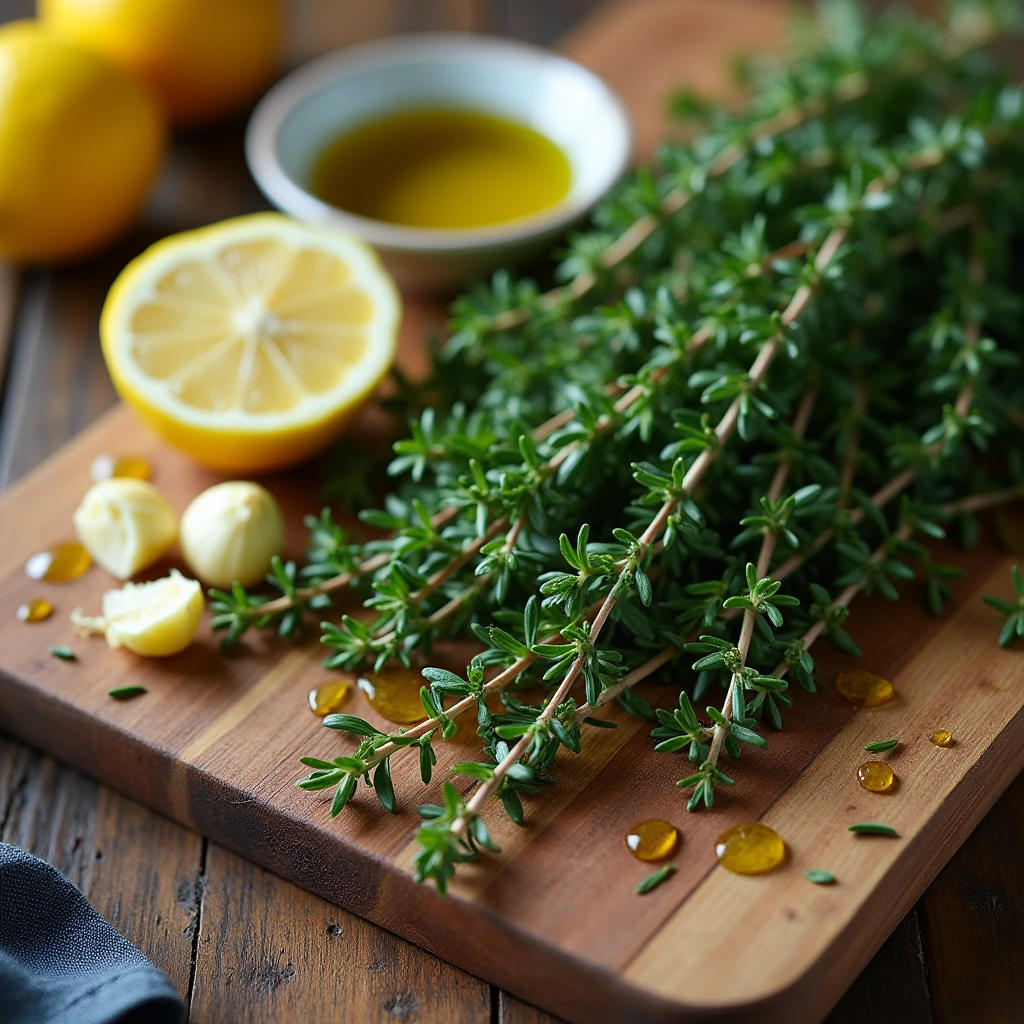
This natural remedy for muscle and joint discomfort is inspired by traditional herbal preparations often used to create a soothing, warming drink. Although some herbs are popularly nicknamed “natural morphine,” this expression is not medically accurate, and no homemade drink should be considered a replacement for proven pain treatment.
If you enjoy traditional herbal recipes, this simple infusion can be prepared with familiar ingredients and enjoyed as part of a relaxing daily routine.

Ingredients
- 1 teaspoon dried willow bark or a commercially prepared willow-bark tea
- 1 teaspoon dried ginger
- 1–2 cups hot water
- ½ teaspoon cinnamon
- 1 teaspoon honey, optional
- A squeeze of lemon, optional
Ingredient substitutions
If willow bark is unavailable, use a caffeine-free herbal tea such as chamomile or ginger tea. These alternatives can provide a pleasant warming beverage, but they do not provide the same compounds as willow bark.
Important: Willow bark contains salicin, a compound related to aspirin. It should not be treated as a harmless kitchen ingredient.
Timing
- Preparation: 5 minutes
- Steeping: 10–15 minutes
- Total time: About 15–20 minutes
This is a quick preparation compared with many traditional herbal recipes that require prolonged cooking or overnight infusion.
Step-by-Step Instructions
Step 1: Prepare the herbs
Place the dried willow bark and ginger into a heat-resistant cup or teapot. Add cinnamon for a naturally warm, aromatic flavor.
Step 2: Add hot water
Pour 1–2 cups of freshly boiled water over the herbs. Cover the cup or teapot to help retain the aromatic compounds during steeping.
Step 3: Let it steep
Allow the mixture to steep for approximately 10–15 minutes. Strain carefully before drinking.
Avoid making the infusion unusually strong. More herb does not necessarily mean greater benefit and may increase the risk of side effects.
Step 4: Add flavor
Once the drink has cooled slightly, add a small amount of honey and lemon if desired. Ginger and cinnamon give the infusion a pleasantly warming flavor.
Step 5: Enjoy mindfully
Drink it slowly as a comforting herbal beverage. If you’re experiencing persistent or severe joint, muscle, or rheumatic pain, seek appropriate medical advice rather than relying solely on home remedies.
Nutritional Information
Because the nutritional content varies according to the ingredients and quantities used, the following is an approximate guide for one cup prepared without honey:
| Nutrient | Approximate amount |
|---|---|
| Calories | Very low |
| Protein | <1 g |
| Fat | <1 g |
| Carbohydrates | <1–2 g |
| Added sugar | 0 g |
Honey will increase the calorie and sugar content.
The primary purpose of this preparation is as a warm herbal beverage rather than a significant source of vitamins, minerals, protein, or other essential nutrients.
Healthier Alternatives for the Recipe
You can adapt this herbal drink in several ways:
- No added sugar: Skip honey for a lower-sugar beverage.
- More ginger: Increase the ginger slightly for a stronger warming flavor.
- Caffeine-free: Keep the recipe free from black or green tea.
- Lower sweetness: Use lemon and cinnamon instead of sweeteners.
- Simpler option: Prepare ginger tea alone if willow bark is unsuitable for you.
If you take medication regularly, ask a pharmacist or doctor whether willow bark is appropriate before consuming it.
Serving Suggestions
Serve the infusion warm in your favorite mug, particularly as part of a relaxing evening routine.
For a comforting herbal-tea experience, pair it with:
- A small bowl of fresh fruit
- Oatmeal or whole-grain toast
- A handful of unsalted nuts
- A light, balanced snack
Remember that a soothing drink can be part of a healthy routine, but it should not be presented as a cure for arthritis, rheumatism, or chronic pain.
Common Mistakes to Avoid
Using too much willow bark
Increasing the amount does not guarantee greater relief and may increase exposure to salicylates.
Treating it like ordinary herbal tea
Willow bark has pharmacologically active compounds. It deserves more caution than ingredients such as mint or chamomile.
Combining it with aspirin without medical advice
Because willow bark contains salicin, combining it with aspirin or certain other medicines may increase risks.
Assuming “natural” means completely safe
Natural substances can cause side effects and interactions. Safety depends on the person, dose, preparation, and medications involved.
Using it for serious or unexplained pain
Persistent swelling, severe pain, weakness, numbness, fever, an injury, or rapidly worsening symptoms should be evaluated by a healthcare professional.
Storing Tips for the Recipe
For the best flavor and freshness, prepare this infusion fresh whenever possible.
If you have leftover tea:
- Allow it to cool.
- Store it in a clean, covered container in the refrigerator.
- Use it promptly rather than keeping it for several days.
- Reheat gently rather than repeatedly boiling it.
Keep dried herbs in airtight containers away from heat, moisture, and direct sunlight.
Conclusion
This traditional herbal infusion combines willow bark, ginger, and cinnamon into a warming drink often associated with natural approaches to everyday discomfort. It is not “natural morphine” or a proven cure. Try it responsibly, share your experience in the review section or comments, and subscribe for more updates.
FAQs
Is willow bark really natural morphine?
No. “Natural morphine” is a popular nickname sometimes used in online posts, but willow bark is not morphine. It contains salicin, a compound that the body can convert into salicylic-acid-related substances.
Can this recipe cure rheumatic pain?
There is not enough evidence to claim that this homemade infusion cures rheumatic conditions. Rheumatic pain can have many causes and may require professional diagnosis and treatment.
Can everyone drink willow-bark tea?
No. People who are allergic to aspirin or salicylates, children and teenagers, pregnant or breastfeeding individuals, and people with certain medical conditions should avoid willow bark unless a healthcare professional specifically advises otherwise.
Can I take willow bark with aspirin?
Do not combine them without medical advice. Both can expose the body to salicylate-related compounds and may increase the risk of adverse effects.
Can I drink this every day?
Regular use of willow bark should be discussed with a healthcare professional, particularly if you take medications or have an underlying health condition.
What can I use instead of willow bark?
Ginger, chamomile, or another caffeine-free herbal tea can be used for a pleasant warming beverage. However, these substitutions should not be described as equivalent pain medicines.
When should I see a doctor about joint or muscle pain?
Seek medical advice when pain is persistent, severe, unexplained, associated with significant swelling or fever, follows a serious injury, or interferes with normal daily activities.