Introduction
A milk and Vaseline skin moisturizing routine is a simple at-home beauty method that combines the soothing feel of milk with the protective, moisture-sealing properties of petroleum jelly. Many people look for affordable ways to support soft, smooth, and glowing-looking skin without purchasing multiple expensive creams.
However, it is important to use this combination safely. Milk is a perishable food and should not be stored in a homemade cream or left on the skin for long periods. Vaseline, on the other hand, is an occlusive moisturizer that helps reduce moisture loss when applied appropriately.
This simple routine is best viewed as a short-term moisturizing treatment rather than a replacement for sunscreen, medically prescribed skincare, or a well-formulated moisturizer. With proper hygiene and a quick application, these two ingredients can be incorporated into a relaxing self-care routine.
Focus Keyword: Milk and Vaseline skin moisturizing routine
Ingredients List
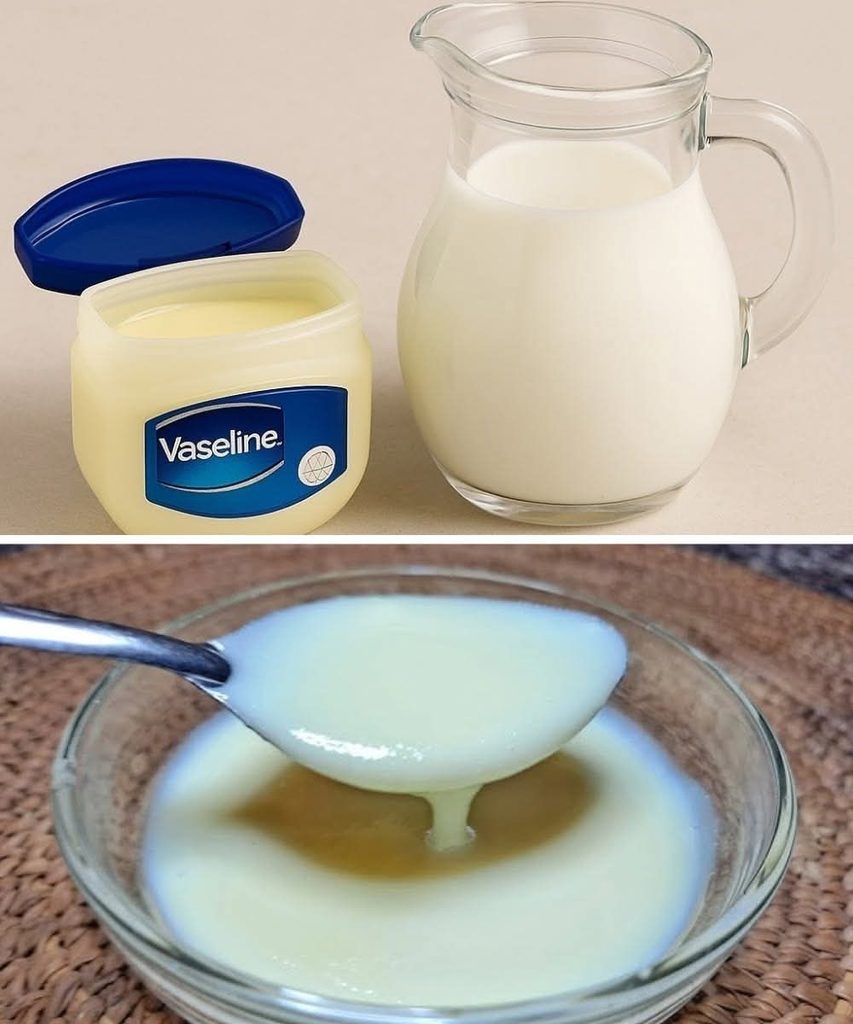
For a simple milk and Vaseline skin moisturizing routine, you will need:
- 1 teaspoon plain milk – preferably fresh milk
- A small amount of Vaseline (petroleum jelly) – approximately pea-sized for a small area
Optional Substitutions
- Fragrance-free moisturizer: A safer alternative for people who prefer a ready-made, water-based moisturizer.
- Plant-based milk: If avoiding dairy, an unsweetened plant-based milk may be used for a short rinse-off treatment, although it does not provide the same composition as dairy milk.
- Ceramide cream: A useful alternative for dry skin that needs longer-lasting hydration.
Choose plain, unsweetened products without added fragrances or flavorings.
Timing
This skincare routine is quick and simple.
- Preparation time: 2 minutes
- Application time: 3–5 minutes
- Total treatment time: Approximately 5–10 minutes
Because fresh milk is perishable, it is best to prepare only the amount you plan to use immediately. Do not make a large batch for later use.
Step-by-Step Instructions
Step 1: Start With Clean Skin
Wash the area you want to moisturize with a gentle cleanser and lukewarm water.
Avoid harsh scrubs immediately before the treatment, especially if your skin is sensitive. Pat the skin dry gently, leaving it slightly damp.
Step 2: Perform a Patch Test
Before applying any new skincare mixture over a larger area, test it on a small patch of skin.
Apply a tiny amount, rinse as appropriate, and monitor for irritation. If you experience burning, itching, redness, or swelling, discontinue use.
Step 3: Apply the Milk Briefly
Place a small amount of plain milk on clean skin using clean hands or a fresh cotton pad.
Allow it to sit only briefly, then rinse thoroughly with lukewarm water. Do not leave milk-based mixtures on the skin for extended periods.
Step 4: Gently Pat the Skin Dry
Use a clean, soft towel and gently pat the skin.
Leaving the skin slightly damp before applying Vaseline can help support moisture retention.
Step 5: Apply a Thin Layer of Vaseline
Take a small amount of Vaseline and spread a thin layer over the skin.
Petroleum jelly works primarily by forming a protective barrier that helps reduce water loss. A little goes a long way, so avoid applying an excessively thick layer.
Step 6: Enjoy Your Moisturizing Routine
Use the treatment as part of an occasional self-care routine.
For persistent dryness, irritation, acne, eczema, or other skin concerns, consider consulting a dermatologist or qualified healthcare professional.
Nutritional Information
Because this is a topical skincare routine and not a food recipe, nutritional information is not applicable.
However, the ingredients have different cosmetic characteristics:
| Ingredient | Main Role in the Routine |
|---|---|
| Plain milk | Used briefly as part of a rinse-off skincare step |
| Vaseline (petroleum jelly) | Helps form an occlusive barrier to reduce moisture loss |
Important: Do not consume a skincare mixture simply because its ingredients are individually familiar.
Healthier Alternatives for the Recipe
If you are looking for other ways to support soft and hydrated skin, consider these alternatives:
Use a Fragrance-Free Moisturizer
A dermatologist-recommended, fragrance-free moisturizer can provide hydration without using a perishable food ingredient.
Try a Ceramide-Based Cream
Ceramides are commonly included in moisturizers designed to support the skin barrier.
Add Glycerin-Based Skincare
Products containing glycerin can help attract and retain moisture in the outer layers of the skin.
Use Vaseline Over Moisturizer
Instead of combining milk directly with Vaseline, apply a suitable moisturizer first and use a small amount of petroleum jelly over particularly dry areas to help seal in moisture.
Don’t Forget Sun Protection
Daily broad-spectrum sunscreen can help protect skin from UV exposure, which contributes to premature signs of skin aging and uneven skin appearance.
Serving Suggestions
While this is not a food recipe, you can make your skincare routine feel more enjoyable by incorporating it into a simple self-care ritual.
Try it:
- After a gentle evening shower
- On dry areas such as hands, elbows, knees, or feet
- Before bedtime as part of a moisturizing routine
- During colder or drier weather when skin may feel less comfortable
For facial use, be especially careful if you have acne-prone or sensitive skin. Petroleum jelly may be suitable for some people, but individual skin responses vary.
Common Mistakes to Avoid
Using Spoiled Milk
Never use milk that smells unusual or appears spoiled. Fresh ingredients and clean hands are essential.
Making a Large Batch
Milk-containing mixtures should not be prepared and stored as homemade creams. The presence of water and food ingredients can increase contamination risks.
Applying Too Much Vaseline
More is not always better. A thin layer is generally sufficient for its moisture-sealing purpose.
Using It on Broken or Irritated Skin Without Advice
If your skin is cracked, infected, severely irritated, or affected by a medical condition, seek professional guidance.
Skipping a Patch Test
Even simple ingredients can cause irritation or allergic reactions in some individuals.
Expecting an Instant Medical or Cosmetic Transformation
Healthy-looking skin usually depends on consistent skincare habits, adequate sun protection, gentle cleansing, and appropriate moisturization—not a single miracle treatment.
Storing Tips for the Recipe
This milk and Vaseline skin moisturizing routine should ideally be prepared fresh for each use.
Best Practices
- Use fresh milk only.
- Do not store mixed milk and Vaseline for future applications.
- Keep the Vaseline container tightly closed.
- Avoid introducing wet or unclean fingers into the container.
- Discard any leftover milk used during the treatment.
For a longer-lasting skincare option, choose commercially formulated products designed to remain stable and hygienic during storage.
Conclusion
A milk and Vaseline skin moisturizing routine can be a simple self-care treatment when used carefully and hygienically. Use fresh ingredients, rinse milk promptly, apply a thin layer of Vaseline to help seal in moisture, and always stop if irritation occurs. Try it and share your experience in the comments, then subscribe for more skincare updates!
FAQs – Frequently Asked Questions
Can I mix milk and Vaseline and store the mixture?
It is not recommended. Milk is perishable, and homemade mixtures containing fresh food ingredients can become contaminated. Prepare only a small amount for immediate use.
Does Vaseline moisturize the skin?
Vaseline primarily acts as an occlusive barrier, helping reduce moisture loss from the skin. It can work especially well when applied to slightly damp skin or over an appropriate moisturizer.
Can I use this routine every day?
Individual skin needs vary. If you choose to try it, monitor your skin for irritation and discontinue use if any discomfort develops.
Can I use milk and Vaseline on my face?
Some people may tolerate petroleum jelly on the face, while others may prefer lighter products. Sensitive or acne-prone skin may react differently, so patch testing is important.
Will this routine remove wrinkles or permanently whiten the skin?
No skincare routine can guarantee permanent whitening or instant wrinkle removal. Healthy skin habits, sun protection, and appropriate skincare products are more realistic approaches to maintaining skin appearance.
What should I do if my skin becomes irritated?
Wash the product off and stop using it. If irritation is severe, persistent, or accompanied by swelling or difficulty breathing, seek medical attention promptly.
What is a safer alternative for very dry skin?
A fragrance-free moisturizer containing ingredients such as ceramides or glycerin may be a more suitable option. Petroleum jelly can sometimes be applied over moisturizer to help reduce moisture loss.