Introduction
Oregano is much more than a flavorful kitchen herb. It contains aromatic plant compounds such as carvacrol and thymol, which have demonstrated antimicrobial activity in laboratory research. Social-media claims sometimes say oregano is “30 times stronger than lemon and garlic,” but there is no reliable general scientific basis for ranking these foods this way.
Still, oregano can be a useful addition to a balanced diet. Its concentrated essential oil has also been studied for activity against certain bacteria and fungi in laboratory settings. Importantly, laboratory antimicrobial activity does not mean that eating oregano or taking oregano oil can cure an infection.
This simple oregano preparation focuses on enjoying the herb safely as part of everyday meals.

Ingredients List
Simple Oregano Infusion
- 1 teaspoon dried oregano – aromatic, earthy, slightly peppery, and pleasantly bitter
- 1 cup (240 ml) hot water
- ½ teaspoon lemon juice, optional, for brightness
- ½ teaspoon honey, optional, for sweetness
Possible Substitutions
- Use fresh oregano instead of dried: approximately 1 tablespoon finely chopped fresh oregano.
- Replace lemon juice with a small amount of fresh lime juice.
- Skip honey if you prefer a sugar-free drink.
- For culinary use, fresh or dried oregano can be added to soups, vegetables, beans, eggs, chicken, fish, or tomato-based dishes.
Timing
| Step | Time |
|---|---|
| Preparation | 2 minutes |
| Steeping | 5–10 minutes |
| Total | About 10–12 minutes |
This makes it an easy preparation when you want a warm, aromatic herbal drink without complicated cooking.
Step-by-Step Instructions
Step 1: Prepare the Oregano
Place 1 teaspoon of dried oregano in a mug. If using fresh oregano, rinse it thoroughly and gently chop the leaves to release their aroma.
Step 2: Add Hot Water
Pour approximately 240 ml of freshly boiled water over the oregano.
Avoid boiling the oregano directly for a long period. A gentle infusion preserves its pleasant aroma and makes the preparation simple.
Step 3: Let It Steep
Cover the mug and allow the oregano to steep for 5–10 minutes.
Covering the cup helps retain some of the volatile aromatic compounds responsible for oregano’s distinctive fragrance.
Step 4: Strain
Strain the liquid into another cup if desired. Taste it before adding anything else because oregano naturally has a strong, slightly bitter flavor.
Step 5: Add Optional Ingredients
For a brighter flavor, add a little lemon juice. If you enjoy sweetness, add a small amount of honey once the drink has cooled slightly.
Step 6: Enjoy Responsibly
Enjoy the infusion as a food or beverage rather than treating it as a substitute for medical treatment. If you have persistent symptoms or a suspected infection, seek appropriate medical care.
Nutritional Information
A cup of oregano infusion made with 1 teaspoon of dried oregano contains only a small amount of calories and nutrients because relatively little of the herb is consumed.
The nutritional profile varies depending on the amount used and whether honey or lemon is added.
- Calories: generally very low without honey
- Fat: negligible
- Protein: small amount
- Carbohydrates: small amount
- Fiber: limited in a strained infusion
- Plant compounds: oregano provides aromatic compounds including carvacrol and thymol
The nutritional value is different when oregano is eaten directly as part of a meal because more of the herb’s fiber and nutrients are consumed.
Healthier Alternatives for the Recipe
Want to make your oregano routine more nutritious? Try these ideas:
- Skip added sugar: Use lemon or lime for flavor instead of sweeteners.
- Add oregano to meals: Sprinkle it over vegetables, beans, lentils, eggs, or whole grains.
- Use fresh herbs: Combine oregano with parsley, basil, or cilantro for a flavorful herb mixture.
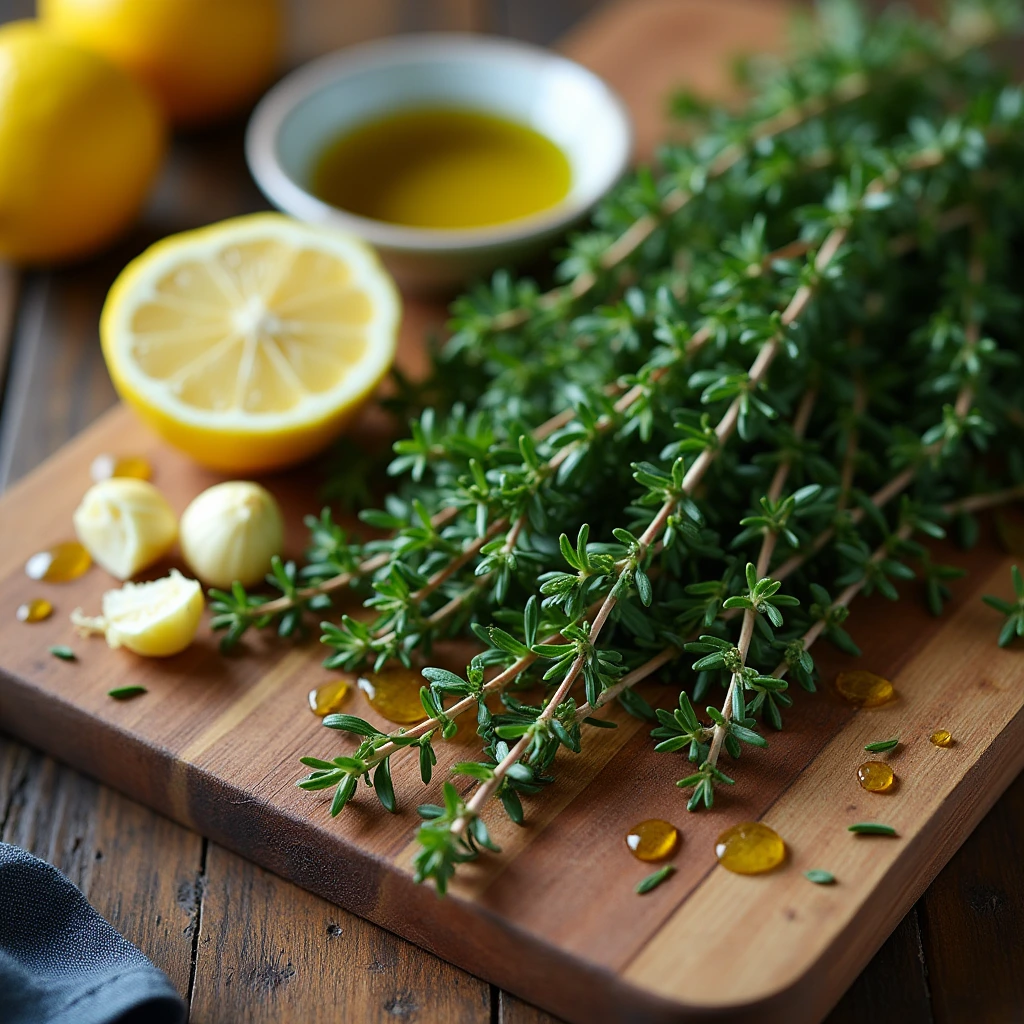
- Choose extra-virgin olive oil: Combine oregano, olive oil, garlic, and lemon as a flavorful dressing for vegetables or salads.
- Keep portions moderate: More oregano does not automatically mean greater health benefits.
Serving Suggestions
Oregano is particularly versatile in Mediterranean-style cooking.
Try adding dried oregano to:
- Tomato and cucumber salads
- Roasted vegetables
- Homemade soups
- Lentil or bean dishes
- Grilled chicken
- Baked fish
- Omelets and scrambled eggs
- Whole-grain pasta
- Homemade salad dressing
For the herbal infusion, serve it warm in the morning or evening as a caffeine-free beverage.
Common Mistakes to Avoid
Assuming “Natural” Means Risk-Free
Natural products can still cause side effects or interact with medications.
Using Too Much Oregano Oil
Oregano essential oil is highly concentrated and is very different from culinary oregano. It should not be consumed casually or used internally without appropriate professional guidance.
Treating an Infection With Oregano Alone
Although oregano compounds have shown antimicrobial effects in laboratory studies, this does not establish oregano as a treatment for bacterial or fungal infections in people.
Believing the “30 Times Stronger” Claim
There is no universal scientific measurement showing that oregano is exactly 30 times stronger than lemon or garlic. Antimicrobial activity depends on the compound, concentration, preparation, microorganism, and experimental conditions.
Over-Steeping
A very strong infusion can become unpleasantly bitter. Start with a modest amount and adjust the flavor rather than assuming stronger is better.
Storing Tips for the Recipe
For the best flavor:
- Store dried oregano in an airtight container.
- Keep it in a cool, dark, dry cupboard.
- Avoid storing herbs directly above a stove or near steam.
- Check dried oregano periodically for changes in aroma, color, or signs of moisture.
- If you prepare an infusion in advance, refrigerate it promptly in a covered container and use it within a short period rather than leaving it at room temperature.
Fresh oregano should be refrigerated and used while its leaves remain aromatic and free from mold or excessive wilting.
Conclusion
Oregano is a flavorful herb containing compounds such as carvacrol and thymol that have demonstrated antimicrobial activity in laboratory research. Enjoy it in meals or a simple infusion, but don’t substitute it for medical treatment. Try the recipe, share your experience in the review section or comments, and subscribe for more updates.
FAQs
Is oregano really 30 times stronger than lemon or garlic?
There is no reliable general scientific evidence establishing that oregano is exactly 30 times stronger than lemon or garlic. Such comparisons depend on what substance and biological effect are being measured.
Can oregano kill bacteria?
Oregano contains compounds that can inhibit certain bacteria under laboratory conditions. However, this does not mean that eating oregano will eliminate a bacterial infection in the human body.
Can oregano kill fungi?
Oregano compounds, particularly carvacrol and thymol, have demonstrated antifungal activity in laboratory research. Human clinical evidence is more limited, so oregano should not replace prescribed antifungal treatment.
Is oregano tea safe?
For most healthy adults, a food-level oregano infusion is generally reasonable. However, concentrated oregano products and essential oils are substantially different and can have greater risks.
Can I drink oregano tea every day?
There is no universally established therapeutic daily dose for oregano tea. If you want to consume it regularly, keep the preparation moderate and discuss frequent use with a healthcare professional if you take medications or have a medical condition.
Is oregano oil the same as oregano tea?
No. Oregano essential oil is highly concentrated, while oregano tea contains a much smaller amount of the herb’s compounds. They should not be treated as interchangeable products.
Can oregano replace antibiotics?
No. Oregano should not be used as a replacement for antibiotics when antibiotics are medically indicated. Untreated bacterial infections can become serious.
What is the best way to use oregano?
For everyday wellness, one of the simplest approaches is using oregano as a culinary herb. Add it to vegetables, soups, beans, salads, fish, chicken, or tomato-based dishes to increase flavor without relying heavily on salt.