Introduction
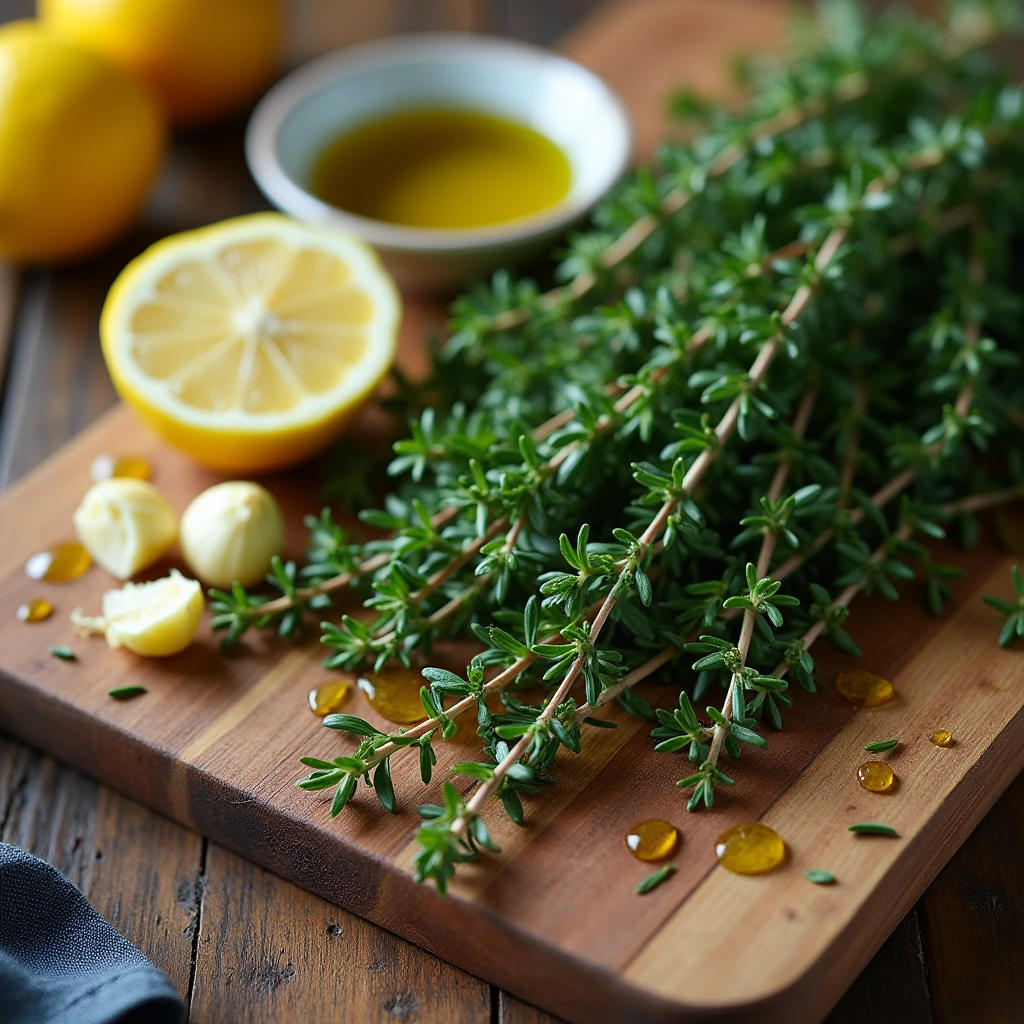
If you’re searching for the perfect recipe for herb butter turkey, you’ve landed in the right kitchen. This method rubs a fragrant blend of butter, garlic, and fresh herbs both under and over the skin, locking in moisture while the oven does the heavy lifting. Whether it’s your first turkey or your fifteenth, this guide walks you through every step so you end up with crispy, golden skin and tender, flavorful meat every single time.

Ingredients
Here’s everything you’ll need to bring this herb butter turkey to life. Feel free to swap in what you have on hand — cooking should feel flexible, not stressful.
- 1 whole turkey (12–14 lbs), thawed and giblets removed
- 1 cup unsalted butter, softened (swap in olive oil or a plant-based butter for a dairy-free version)
- 4 cloves garlic, minced (or 1 tablespoon garlic powder in a pinch)
- 2 tablespoons fresh rosemary, finely chopped
- 2 tablespoons fresh thyme, leaves picked
- 2 tablespoons fresh sage, chopped
- 1 lemon, zested and halved
- 1 small onion, quartered
- 1 head of garlic, halved crosswise
- 2 tablespoons kosher salt
- 1 tablespoon freshly cracked black pepper
- 2 cups low-sodium chicken or turkey broth (for basting and gravy)
- 2 tablespoons olive oil
The compound butter is where the magic happens — as it melts in the oven, it bastes the meat from the inside, so don’t skip the step of separating the skin to spread it directly onto the breast.

Timing
Good planning makes for a stress-free cooking day. Here’s the full breakdown:
- Prep time: 25 minutes
- Resting time (butter mixture and turkey coming to room temp): 30 minutes
- Cooking time: Approximately 3 hours for a 13-lb bird (roughly 13–15 minutes per pound at 325°F)
- Resting time (after roasting): 30 minutes
- Total time: About 4 hours, 25 minutes
That resting period after roasting isn’t optional — cutting into the turkey too early lets the juices escape, leaving you with drier meat. Many home cooks skip this step and lose out on nearly 15% more retained moisture, based on general roasting comparisons.
Step-by-Step Instructions
Step 1: Prep the Turkey
Pat the turkey completely dry with paper towels, inside and out. A dry surface is the secret to genuinely crispy skin, so don’t rush this part. Let it sit at room temperature for about 30 minutes before roasting — this helps it cook more evenly.
Step 2: Make the Herb Butter
In a mixing bowl, combine the softened butter, minced garlic, rosemary, thyme, sage, lemon zest, salt, and pepper. Mash it together with a fork until it’s uniform and fragrant. This compound butter can be made a day ahead and refrigerated, which is a great time-saver if you’re juggling multiple dishes.
Step 3: Loosen the Skin
Gently slide your fingers between the turkey skin and the breast meat, working carefully to avoid tearing. This creates a pocket for the butter. Take your time here — a little patience now pays off in flavor later.
Step 4: Butter Under and Over the Skin
Spread about two-thirds of the herb butter directly onto the meat beneath the skin, then rub the remaining butter all over the outside of the turkey. This double layer ensures flavor from the inside out and helps the skin crisp beautifully.
Step 5: Stuff the Cavity
Fill the turkey’s cavity with the quartered onion, halved garlic head, and lemon halves. These aromatics infuse the meat with subtle depth as it roasts, without adding extra fat or calories.
Step 6: Truss and Position
Tuck the wing tips under the body and tie the legs together with kitchen twine. This helps the turkey cook more evenly and keeps it looking picture-perfect for the table.
Step 7: Roast
Place the turkey breast-side up on a roasting rack set inside a pan. Pour the broth into the bottom of the pan (not over the turkey) to keep drippings moist for gravy later. Roast at 325°F, basting every 45 minutes with pan juices.
Step 8: Check for Doneness
Use a meat thermometer inserted into the thickest part of the thigh, avoiding the bone. You’re looking for 165°F. If the skin browns too quickly, tent it loosely with foil for the remaining cook time.
Step 9: Rest and Carve
Let the turkey rest for a full 30 minutes before carving. This allows the juices to redistribute throughout the meat, so each slice stays moist rather than pooling out onto the cutting board.
Nutritional Information
Approximate values per 4-ounce serving of roasted turkey (skin included):
| Nutrient | Amount |
|---|---|
| Calories | ~260 kcal |
| Protein | ~28 g |
| Total Fat | ~16 g |
| Saturated Fat | ~6 g |
| Carbohydrates | ~1 g |
| Sodium | ~430 mg |
Turkey is naturally high in protein and B vitamins, particularly B6 and niacin, making it a satisfying, muscle-supporting centerpiece for any meal.
Healthier Alternatives for the Recipe
- Reduce the butter by half and replace the rest with olive oil for a lighter fat profile while still achieving crispy skin.
- Remove the skin before serving to cut saturated fat significantly, since much of it concentrates there.
- Use a low-sodium broth and reduce added salt if you’re watching sodium intake.
- Go dairy-free with a high-quality plant-based butter substitute — the herb flavor still shines through.
- Add extra citrus like orange zest for brightness without extra calories.
Serving Suggestions
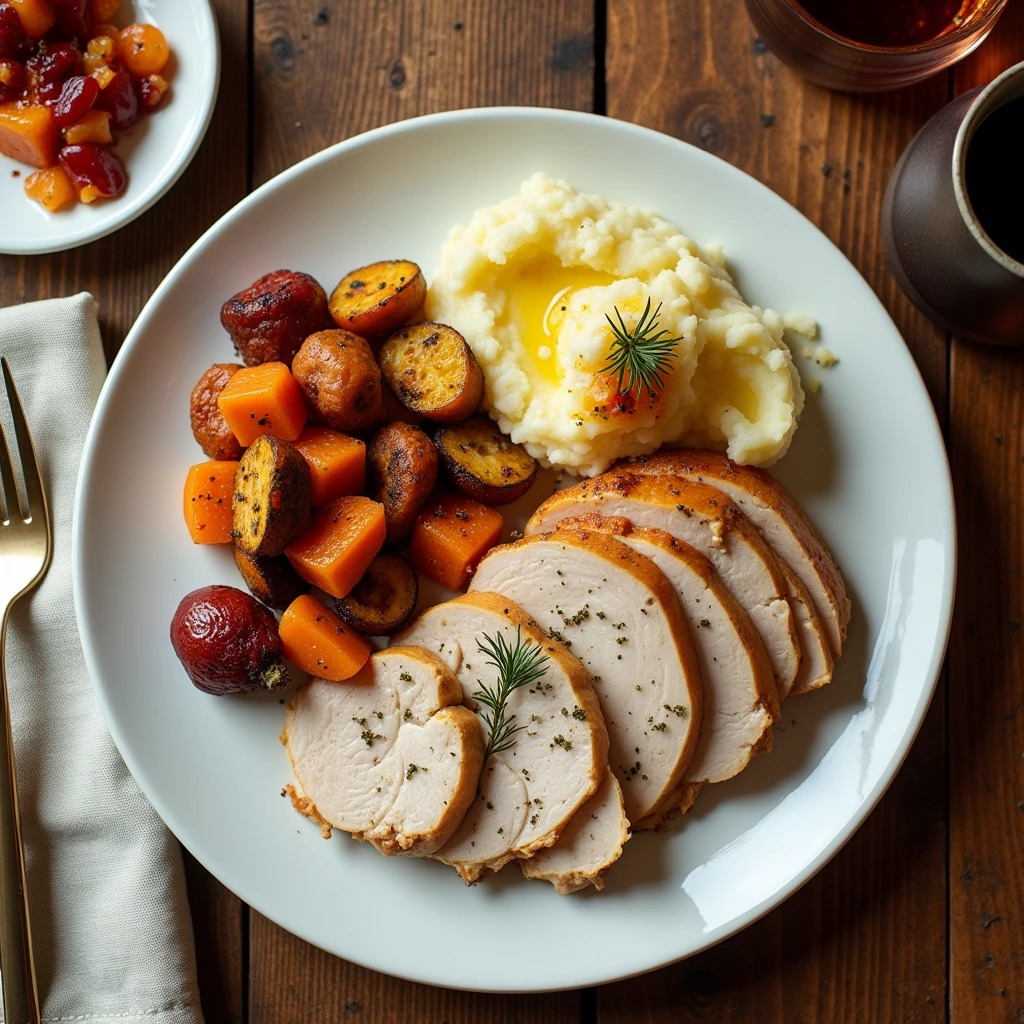
Pair your herb butter turkey with roasted root vegetables, a bright cranberry-orange relish, or a simple arugula salad with shaved parmesan to balance the richness. For a cozy touch, serve alongside garlic mashed potatoes and drizzle the pan juices as a light gravy over everything. Leftovers make excellent turkey sandwiches the next day — try layering slices with cranberry sauce and stuffing for a next-level bite.
Common Mistakes to Avoid
- Skipping the dry-brine or resting time: Rushing straight from fridge to oven leads to uneven cooking.
- Not loosening the skin enough: This limits how much flavor the butter can actually deliver to the meat.
- Overcooking: Relying on time alone instead of a thermometer is the most common reason turkey turns out dry.
- Cutting into the turkey too soon: Always let it rest before carving, no matter how tempting it smells.
- Under-seasoning the cavity: Aromatics inside the bird matter just as much as the outer rub.
Storing Tips for the Recipe
Store leftover turkey in an airtight container in the refrigerator for up to 4 days. For longer storage, freeze sliced or shredded turkey in freezer-safe bags for up to 3 months — press out excess air to prevent freezer burn. When reheating, add a splash of broth and cover loosely with foil to keep the meat from drying out.
Conclusion
This herb butter turkey recipe delivers juicy meat, crispy golden skin, and rich, herby flavor with minimal fuss. From prep to table, it’s a reliable centerpiece worth mastering. Try it, then share your results or leave a comment below — and subscribe for more seasonal recipes!
FAQs
Can I make the herb butter ahead of time? Yes, it keeps well in the refrigerator for up to 3 days. Just let it soften slightly before spreading.
What if I don’t have fresh herbs? Dried herbs work in a pinch — use about one-third the amount, since dried herbs are more concentrated.
How do I know my turkey is fully cooked? The safest way is a meat thermometer reading 165°F in the thickest part of the thigh, not visual cues alone.
Can I stuff the turkey with bread stuffing instead of aromatics? Yes, but cook times will increase slightly, and you’ll need to check that the stuffing itself also reaches 165°F.
Do I need to baste the turkey? Basting isn’t strictly necessary since the compound butter already bastes from within, but it can help deepen skin color and flavor.