Focus Keyword: Parsley Tea Recipe
Introduction
This parsley tea recipe is a simple, refreshing herbal drink made with fresh parsley and hot water. Many people enjoy parsley tea as part of a balanced lifestyle because proper hydration and a nutritious diet can support normal fluid balance.
It is important to set realistic expectations: parsley tea does not “eliminate swelling” caused by medical conditions, and persistent or sudden swelling should be assessed by a healthcare professional. However, this warm herbal infusion can be a pleasant addition to a healthy routine.
With its fresh, grassy aroma and naturally vibrant flavor, this easy parsley tea recipe requires only a few ingredients and takes minutes to prepare.
Ingredients List
For approximately 2 servings, you will need:
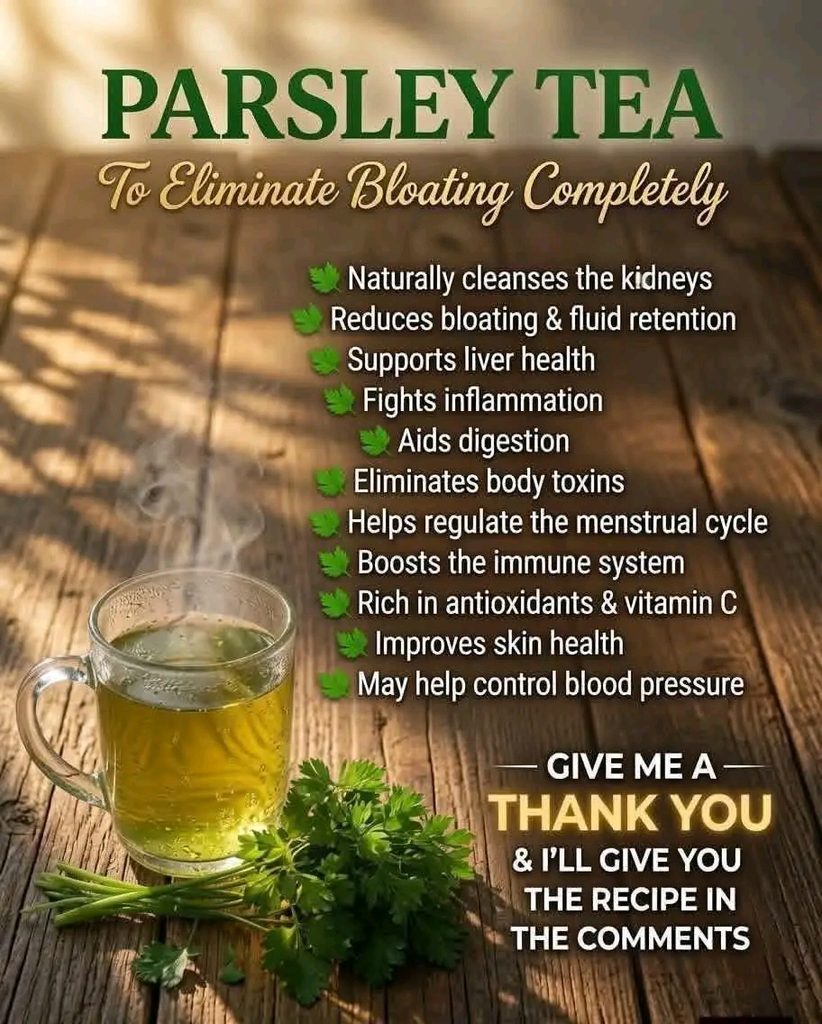
- 2 cups fresh parsley, loosely packed
- 2 cups water
- 1–2 teaspoons fresh lemon juice, optional
- 1 thin slice of fresh ginger, optional
- Honey or another preferred sweetener, optional
Possible Substitutions
- Fresh parsley: Dried parsley may be used, but the flavor will be less bright. Use approximately 2 tablespoons of dried parsley.
- Lemon: Try a small slice of lime for a different citrus note.
- Ginger: Leave it out for a milder, more traditional parsley flavor.
- Sweetener: Use no sweetener for a naturally herbal taste.
Choose fresh parsley with crisp green leaves and a clean, earthy fragrance for the best flavor.
Timing
- Preparation time: 5 minutes
- Steeping time: 10 minutes
- Total time: Approximately 15 minutes
This makes parsley tea a quick homemade herbal beverage that can be prepared in less time than many simmered herbal infusions.
Step-by-Step Instructions
Step 1: Wash the Parsley Thoroughly
Rinse the fresh parsley under cool running water to remove dirt and debris.
Tip: Gently separate the stems and leaves while rinsing. Both can be used in this parsley tea recipe.
Step 2: Bring the Water to a Boil
Pour 2 cups of water into a small saucepan or kettle and bring it to a boil.
Once boiling, remove the water from direct heat. This helps create a gentler infusion rather than aggressively cooking the herbs.
Step 3: Add the Parsley
Place the washed parsley into a heat-safe teapot, jar, or cup.
Pour the hot water over the parsley, making sure the leaves are fully covered.
Step 4: Steep the Tea
Cover the container and allow the parsley to steep for approximately 10 minutes.
For a lighter flavor, steep for 5–7 minutes. For a stronger herbal taste, you can steep slightly longer.
Step 5: Strain and Customize
Strain the tea into a cup.
Add a small amount of lemon juice, ginger, or your preferred sweetener if desired. Stir gently and enjoy while warm.
Nutritional Information
The exact nutritional content of parsley tea varies depending on how much parsley is used and how long it is steeped. Because the leaves are strained out, the tea does not provide the same nutritional value as eating parsley directly.
Fresh parsley itself is known for containing nutrients such as:
- Vitamin K
- Vitamin C
- Vitamin A precursors
- Plant antioxidants
- Small amounts of minerals
Approximate Nutritional Profile
| Nutrient | Parsley Tea |
|---|---|
| Calories | Very low |
| Fat | 0 g or negligible |
| Protein | Negligible |
| Added sugar | 0 g unless sweetener is added |
| Caffeine | Naturally caffeine-free |
For the most reliable nutritional benefits, enjoy parsley as part of meals as well, such as in salads, soups, grain bowls, and vegetable dishes.
Healthier Alternatives for the Recipe
This parsley tea recipe is already naturally caffeine-free and low in calories, but you can adapt it to your preferences.
For a Sugar-Free Version
Skip honey and other sweeteners. Add lemon or a small amount of fresh ginger for more flavor without added sugar.
For a Milder Herbal Drink
Use less parsley and steep for only 5 minutes. This creates a lighter, more delicate flavor.
For Extra Citrus Flavor
Add a thin strip of lemon peel or a squeeze of fresh lemon juice after steeping.
For a Cold Herbal Beverage
Allow the tea to cool, refrigerate it, and serve over ice. Avoid leaving prepared tea at room temperature for extended periods.
Serving Suggestions
Enjoy your parsley tea:
- Warm in the morning as a caffeine-free herbal drink
- Alongside a balanced breakfast
- After a meal as a refreshing warm beverage
- Chilled over ice with lemon
- With a light snack such as fruit or unsalted nuts
For a refreshing presentation, add a small parsley sprig and a slice of lemon to the serving glass.
Remember that hydration needs vary from person to person. Water should remain an important part of your daily fluid intake.
Common Mistakes to Avoid
Using Poorly Washed Parsley
Fresh herbs can carry dirt or residues. Always wash parsley thoroughly before making tea.
Adding Excessive Amounts
More parsley does not automatically mean better results. Extremely concentrated herbal preparations may not be appropriate for everyone.
Expecting Tea to Treat Significant Swelling
Swelling can have many causes, including injury, medication effects, circulation problems, heart, kidney, or liver conditions. A homemade tea should not replace medical evaluation.
Drinking It Despite a Medical Contraindication
Parsley may not be suitable for everyone, particularly in large amounts. People who are pregnant, have kidney problems, take certain medications, or have been advised to limit particular nutrients should consult a qualified healthcare professional before regularly consuming concentrated herbal preparations.
Ignoring Sudden or Severe Symptoms
Seek medical care promptly if swelling is sudden, severe, affects one leg, or occurs with symptoms such as chest pain, shortness of breath, or difficulty breathing.
Storing Tips for the Recipe
Parsley tea tastes best when freshly prepared.
If necessary:
- Refrigerate leftover tea in a clean, covered container.
- Consume it within 24 hours for the best freshness and flavor.
- Store fresh parsley in the refrigerator, loosely wrapped or in a suitable container.
- Wash parsley shortly before use rather than storing it wet for long periods.
Discard tea that develops an unusual smell, appearance, or flavor.
Conclusion
This parsley tea recipe is a quick, caffeine-free herbal drink with a fresh flavor. Prepare it with clean ingredients, enjoy it as part of balanced hydration, and remember that persistent or sudden swelling requires professional medical advice.
Try the recipe and share your experience in the review section or leave a comment on our blog. Subscribe for more simple recipes, food ideas, and wellness updates.
FAQs
Can parsley tea eliminate swelling?
Parsley tea should not be considered a treatment for swelling. Swelling can have many different causes, some of which require medical attention. Persistent, sudden, or severe swelling should be evaluated by a healthcare professional.
How often can I drink parsley tea?
There is no universal amount that is appropriate for everyone. Moderate consumption as a beverage may suit some adults, but people with medical conditions or those taking medications should ask a healthcare professional for personalized advice.
Can I use dried parsley for this recipe?
Yes. Dried parsley can be used, although fresh parsley generally produces a brighter aroma and flavor.
Is parsley tea naturally caffeine-free?
Yes. Parsley tea made only from parsley and water is naturally caffeine-free.
Can I drink parsley tea cold?
Yes. Allow the tea to cool, refrigerate it, and serve it over ice for a refreshing cold herbal drink.
Who should be cautious with parsley tea?
People who are pregnant, have kidney concerns, take prescription medications, or have dietary restrictions should consult a healthcare professional before regularly drinking concentrated parsley preparations.
What should I do if I have unexplained swelling?
Unexplained, persistent, sudden, or severe swelling should be discussed with a healthcare professional. Seek urgent medical attention if swelling occurs with chest pain, shortness of breath, or other severe symptoms.