🟢 INTRODUCTION
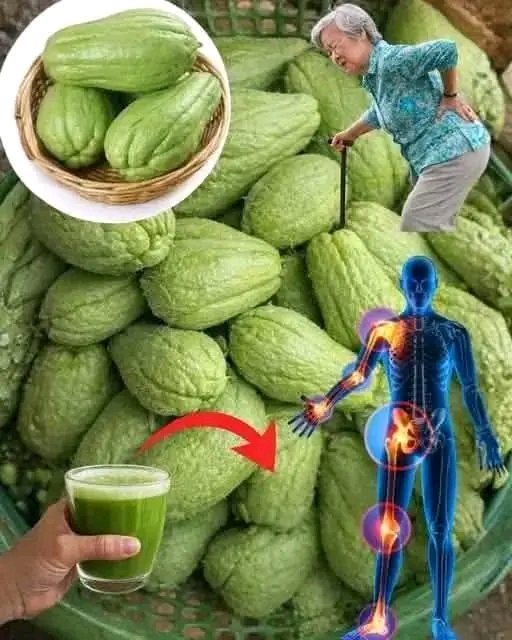
Chayote, also known as vegetable pear or Sechium edule, is a mild, crunchy vegetable that can be an excellent addition to a balanced diet. This affordable food contains water, fiber, vitamin C, folate, potassium, and other nutrients that support overall health.
You may see claims online that chayote can eliminate knee pain, swollen feet, high blood pressure, high cholesterol, poor circulation, or anemia. However, there is no good evidence that eating chayote alone can cure these conditions or replace prescribed medication.
What chayote can do is provide useful nutrients as part of a healthy eating pattern. Its high water content and fiber make it a refreshing ingredient, while its potassium content can contribute to a balanced diet that supports cardiovascular health.
This easy chayote recipe is a simple way to enjoy this versatile vegetable while keeping your meal light, nutritious, and flavorful.
🟢 INGREDIENTS
For a simple cooked chayote dish, you will need:
- 2 medium chayotes
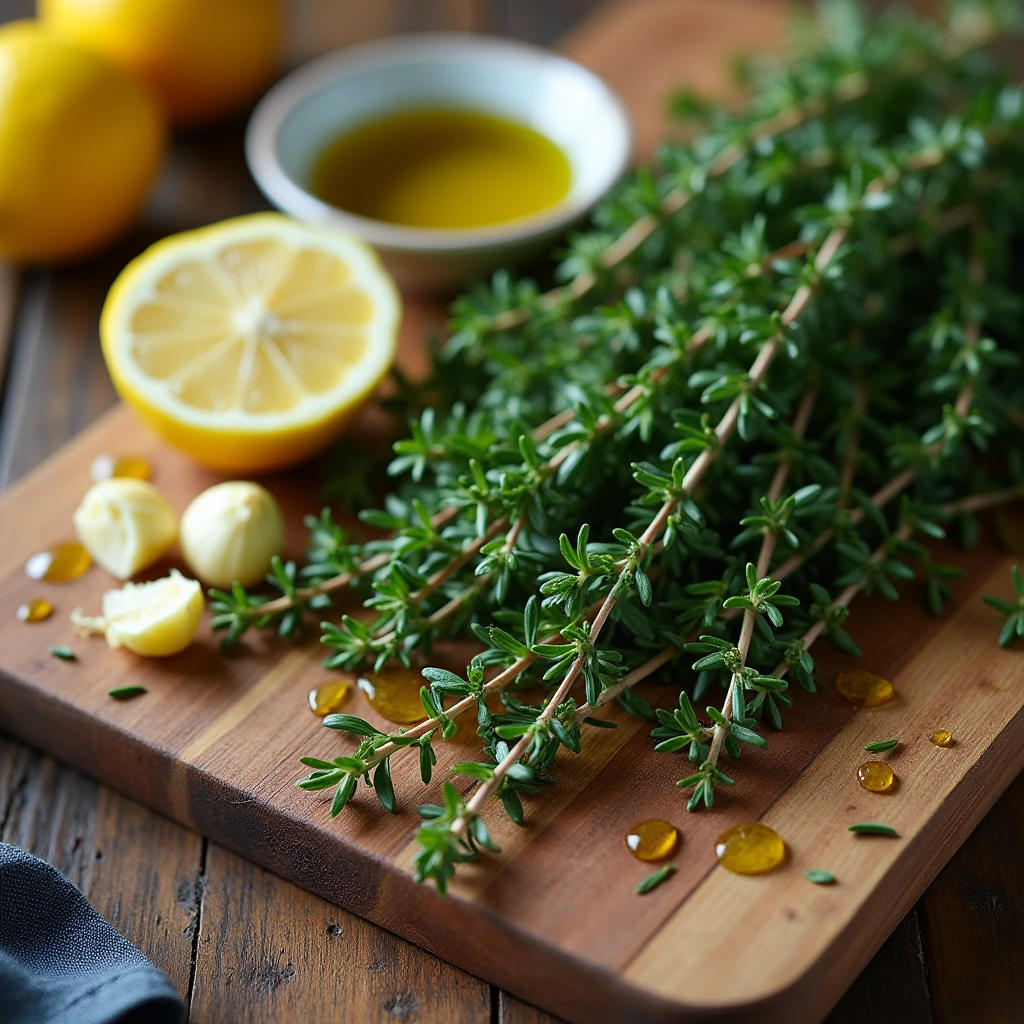
- 1 tablespoon extra-virgin olive oil
- 1 small garlic clove, finely minced
- ½ lemon, freshly squeezed
- A small handful of fresh parsley
- A pinch of black pepper
- A small amount of salt, optional
Optional Additions
You can also add:
- Fresh ginger
- A little onion
- Fresh herbs
- A small amount of chili pepper
- Carrots or zucchini
If you are trying to reduce your sodium intake, use herbs, lemon, garlic, and spices for flavor instead of adding much salt.
🟢 PREPARATION
Step 1: Wash the Chayote
Rinse the chayotes thoroughly under running water. Cut them in half and remove the central seed if desired. Peel them if you prefer, although the skin can be eaten when properly cooked.
Step 2: Cut Into Pieces
Slice the chayote into thin pieces or small cubes. Smaller pieces will cook more quickly and evenly.
Step 3: Cook Until Tender
Place the pieces in a steamer or a pot with a small amount of water. Cook for approximately 8–12 minutes, or until the chayote becomes tender but still retains some texture.
Step 4: Add Flavor
Drain the cooked chayote. Warm the olive oil in a pan and gently sauté the garlic for about 30 seconds. Add the chayote and toss everything together.
Turn off the heat and add fresh parsley, lemon juice, and black pepper.
Step 5: Serve
Serve warm as a side dish with grilled fish, eggs, beans, chicken, or another source of protein.
For a more filling meal, combine chayote with other vegetables and whole grains.
🟢 CONTRAINDICATIONS
Chayote is generally considered a food that can be included in a varied diet, but individual circumstances matter.
People taking medications or following a medically prescribed diet should be cautious about making significant dietary changes based on social-media claims.
Because chayote contains potassium, people with kidney disease or impaired kidney function may need individualized advice about how much potassium they should consume.
Anyone with a known food allergy should avoid chayote if it causes an allergic reaction.
Also remember that chayote is a food, not a treatment for hypertension, high cholesterol, anemia, arthritis, or circulation disorders.
🟢 MEDICAL CONSULTATION & SIDE EFFECTS
Swollen feet should not automatically be attributed to poor circulation or a dietary problem. Persistent swelling can have many causes, including medication effects and heart, kidney, liver, or venous conditions.
Likewise, persistent knee pain may result from osteoarthritis, injury, inflammation, or another medical condition. Anemia requires identification of its underlying cause rather than simply adding one vegetable to the diet.
If you have high blood pressure or high cholesterol, do not stop or reduce prescribed medication because you have started eating chayote. Healthy foods can complement medical treatment, but they do not necessarily replace it.
Seek medical attention promptly for sudden or severe swelling, one-sided leg swelling, chest pain, shortness of breath, fainting, or severe unexplained pain.
As a food, chayote is usually well tolerated. However, eating large amounts of any unfamiliar food may cause digestive discomfort in some people.
🟢 SUMMARY
Chayote is a versatile, low-calorie vegetable that can make a nutritious addition to everyday meals. It provides fiber, vitamin C, folate, potassium, and plenty of water, making it a useful ingredient in a balanced eating pattern.
Although online posts sometimes promise that chayote can eliminate knee pain, swollen feet, high blood pressure, cholesterol problems, poor circulation, or anemia, these claims should not be treated as medical facts.
Instead, think of chayote as one healthy ingredient among many. Pair it with vegetables, fruits, legumes, whole grains, healthy fats, and appropriate protein sources for a balanced diet.
If you have a medical condition or take medication, continue following your healthcare professional’s recommendations while enjoying nutritious foods such as chayote.
FAQ – FREQUENTLY ASKED QUESTIONS
Can chayote eliminate knee pain?
No. There is not sufficient evidence that chayote can eliminate knee pain. It can be part of a healthy diet, but persistent knee pain should be evaluated to determine its cause.
Is chayote good for high blood pressure?
Chayote can fit into a heart-healthy diet because it is naturally low in sodium and provides potassium. However, eating chayote is not a substitute for blood-pressure medication or medical treatment.
Can chayote lower cholesterol?
Chayote contains fiber, which is beneficial as part of an overall heart-healthy diet. However, it should not be considered a cure for high cholesterol.
Does chayote help with swollen feet?
There is no reliable evidence that chayote specifically treats swollen feet. Persistent or unexplained swelling should be discussed with a healthcare professional.
Can chayote treat anemia?
Chayote is not a treatment for anemia. Anemia can have different causes, including iron, vitamin B12, folate deficiency, blood loss, and chronic disease. Proper testing is important.
How often can I eat chayote?
For most people, chayote can simply be eaten as one of many vegetables in a varied, balanced diet. There is no established therapeutic dose for treating medical conditions.
Can I eat chayote while taking medication?
Food-drug interactions depend on the specific medication and your health condition. If you take regular medication, particularly for blood pressure, kidney disease, or other chronic conditions, ask your pharmacist or doctor about your individual diet.