INTRODUCTION
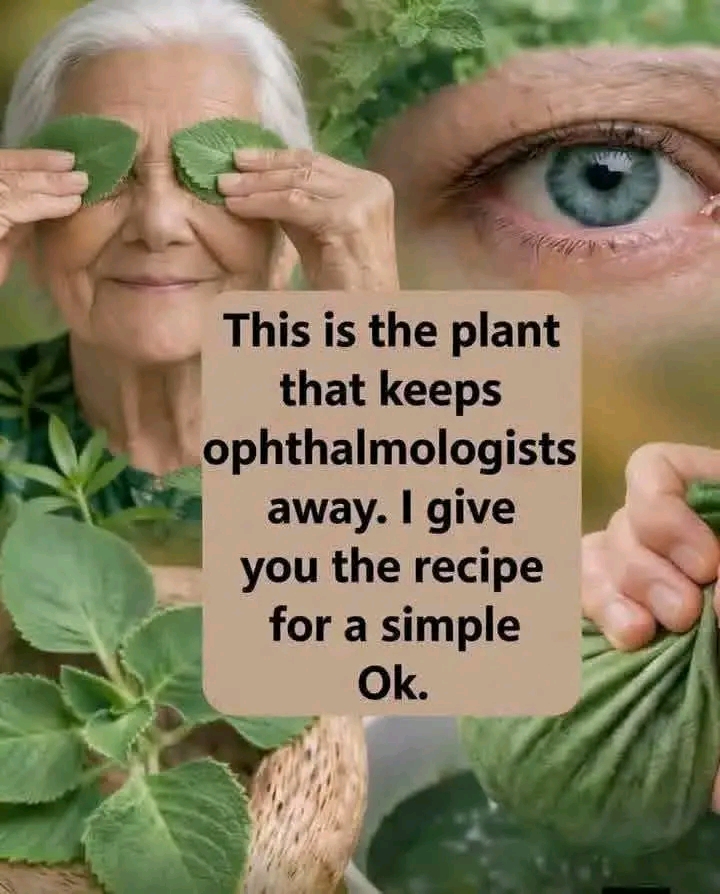
Claims about a special plant that can “keep patients away from ophthalmologists” or reverse cataracts are becoming increasingly popular online. Many natural-remedy posts suggest that millions of people have improved their eyesight simply by using a particular plant or herbal preparation.
However, eye health is an area where it is especially important to separate traditional remedies from scientifically established treatments. There is currently no reliable evidence that an herbal remedy can dissolve cataracts, reverse cataracts, or replace prescription glasses.
That does not mean plants have no value. Many fruits, vegetables, herbs, and leafy greens contain nutrients and antioxidant compounds that can contribute to a healthy diet and support overall eye health. The important point is that a healthy food or herb should not be presented as a cure for an eye disease.
Cataracts, for example, involve clouding of the eye’s natural lens. They can gradually cause blurred vision, glare, faded colors, and difficulty seeing at night. When cataracts significantly interfere with daily activities, an eye-care professional can determine whether treatment is necessary.
INGREDIENTS
If you are interested in adding an eye-friendly plant or herb to your diet, keep the preparation simple and food-based.
Suggested ingredients:
- 1 small handful of fresh edible leafy greens or herbs
- 1 cup of clean water
- 1 small piece of fresh fruit, such as an orange or apple
- Optional: a small amount of lemon juice for flavor
Choose only plants that are correctly identified as edible and safe for human consumption. Never use an unknown wild plant simply because an online post claims that it improves eyesight.
The nutritional value of leafy greens and colorful fruits can complement a balanced diet. They may provide vitamins, minerals, carotenoids, and other plant compounds associated with general health.
PREPARATION
Wash all fresh ingredients thoroughly under clean running water.
Add the edible greens or herbs to a salad, soup, or other ordinary meal. You can also combine them with fruit as part of a smoothie, provided every ingredient is known to be safe to consume.
There is no need to make an extremely concentrated preparation. More of an herb does not automatically mean more health benefits.
Most importantly, do not put homemade herbal extracts, juices, powders, or essential oils directly into the eyes. The surface of the eye is delicate, and contaminated or irritating substances can cause inflammation, infection, burns, or other injuries.
Think of this type of recipe as a nutritional addition to your routine, rather than an eye treatment.
CONTRAINDICATIONS
Natural does not always mean risk-free. Some plants can interact with medications or cause allergic reactions, digestive problems, or other unwanted effects.
People who are pregnant or breastfeeding, children, older adults taking multiple medications, and people with chronic medical conditions should be particularly cautious about concentrated herbal products.
Anyone with an allergy to a particular plant or ingredient should avoid it.
You should also avoid consuming plants that have not been positively identified. Some poisonous plants can look very similar to edible varieties.
Most importantly, never use a plant-based preparation as a substitute for professional treatment when you have symptoms such as persistent blurred vision, eye pain, sudden vision loss, flashes of light, or a sudden increase in floaters.
MEDICAL CONSULTATION & SIDE EFFECTS
If you have cataracts or notice that your vision is gradually becoming worse, arrange an eye examination rather than relying exclusively on a natural remedy.
An ophthalmologist or optometrist can examine the eyes and determine what is causing the visual changes. Blurred vision is not always caused by cataracts. Refractive errors, glaucoma, retinal conditions, diabetes-related eye disease, dry eye, and other problems can also affect vision.
There is currently no proven herbal recipe that can reliably reverse an established cataract. When cataracts become advanced enough to interfere with everyday life, cataract surgery may be recommended. This is a well-established medical treatment and should not be delayed because of claims about a “miracle” plant.
Possible side effects from herbal products depend entirely on the plant, dose, preparation, and individual. Stop using a product and seek medical advice if you experience an allergic reaction, severe stomach symptoms, dizziness, or other concerning effects.
SUMMARY
Plants can be an excellent part of a balanced diet, and many plant foods provide nutrients that support general health. However, viral claims that a particular plant can reverse cataracts or eliminate the need for glasses should be approached with caution.
A healthy diet, regular eye examinations, protection from excessive ultraviolet exposure, control of conditions such as diabetes, and avoiding smoking can all be important parts of maintaining eye health.
Natural remedies can complement healthy habits, but they should not replace professional eye care or proven medical treatment.
If your vision is changing, don’t wait for a recipe on social media to solve the problem. Getting the correct diagnosis is the safest way to protect your eyesight.
FAQ – FREQUENTLY ASKED QUESTIONS
Can a plant cure cataracts?
No proven plant or herbal recipe has been demonstrated to reliably reverse cataracts. Cataracts involve changes to the eye’s natural lens and should be evaluated by an eye-care professional.
Can natural remedies replace glasses?
No. Glasses correct refractive errors such as nearsightedness, farsightedness, and astigmatism. An herbal preparation cannot reliably replace properly prescribed corrective lenses.
Are leafy greens good for the eyes?
Leafy greens can be part of a nutritious diet and contain various vitamins, minerals, and plant compounds. However, eating them should be viewed as part of overall nutrition rather than a treatment for an eye disease.
Can I put herbal juice directly into my eyes?
No. Homemade juices, extracts, and herbal preparations should not be placed directly in the eyes because they may be contaminated or irritating and could cause injury or infection.
When should I see an ophthalmologist?
Seek professional eye care if you develop persistent blurred vision, difficulty seeing at night, eye pain, sudden vision changes, flashes, a sudden increase in floaters, or any other unusual symptoms.
What is the safest approach to cataracts?
The safest approach is regular eye examinations and appropriate medical advice. If cataracts become severe enough to affect everyday activities, an eye specialist can discuss suitable treatment options.