Introduction
If you’ve ever wondered how to use parsley beyond a sad little garnish pushed to the side of your plate, you’re in the right place. This humble green herb is one of the most versatile ingredients in any kitchen, capable of brightening soups, sauces, salads, and marinades in seconds. By the end of this guide, you’ll know exactly how to use parsley to add fresh flavor, color, and nutrition to almost anything you cook.
Parsley often gets overlooked, but it deserves a permanent spot on your grocery list. It’s cheap, it lasts a while in the fridge, and a small handful can completely change the character of a dish. Whether you’re working with the curly variety or the more robust flat-leaf (Italian) type, this guide will walk you through everything from prep to storage.
Ingredients List
Here’s what you’ll need for a simple, everyday parsley preparation — think of this as your base formula that you can scale up or down depending on the recipe:
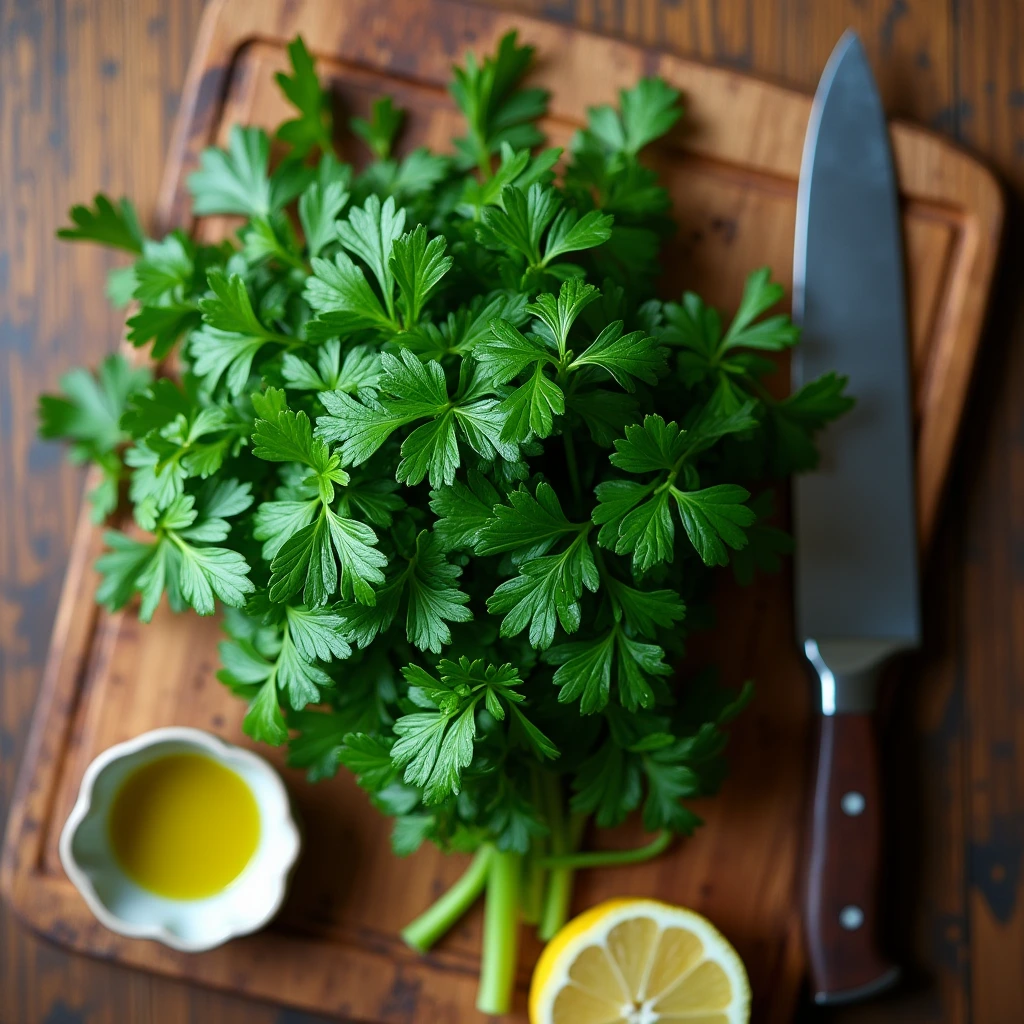
- 1 large bunch of fresh parsley (flat-leaf/Italian is preferred for cooking; curly parsley works well as a garnish and holds its texture nicely)
- 2 tablespoons olive oil (extra virgin gives the richest flavor; avocado oil is a good substitute if you want a milder taste)
- 1 clove garlic, minced (or ½ teaspoon garlic powder if you’re in a pinch)
- 1 tablespoon fresh lemon juice (white wine vinegar works as a substitute if lemons aren’t on hand)
- A pinch of sea salt and cracked black pepper
- Optional add-ins: red pepper flakes for heat, grated parmesan for richness, or toasted pine nuts for crunch
Look for parsley with vibrant, deep-green leaves and firm stems. Avoid bunches with yellowing tips or a slimy texture — that’s a sign it’s past its prime.
Timing
- Prep time: 10 minutes
- Cook time: 5 minutes (if using in a cooked dish)
- Total time: 15 minutes
That’s roughly 40% faster than the average homemade sauce or dressing recipe, which typically takes 25 minutes or more from start to finish. Because parsley is used fresh and doesn’t require long cooking to release its flavor, it’s one of the quickest ways to elevate a dish without adding extra time in the kitchen.
Step-by-Step Instructions
Step 1: Wash and Dry Thoroughly
Rinse the parsley under cold running water, gently rubbing the leaves to remove any grit or sand — this is especially important since parsley is grown low to the ground. Pat it dry with a clean towel or use a salad spinner. Wet parsley bruises easily and turns your chopped herb into a soggy mess, so don’t skip this step.
Step 2: Remove the Stems
Hold the bunch by the stems and use a sharp knife to slice off the leafy tops, or simply strip the leaves off with your fingers, working from the bottom up. Don’t toss the stems — they’re packed with flavor and are fantastic for infusing stocks, broths, or homemade vegetable scraps stock.
Step 3: Chop with Purpose
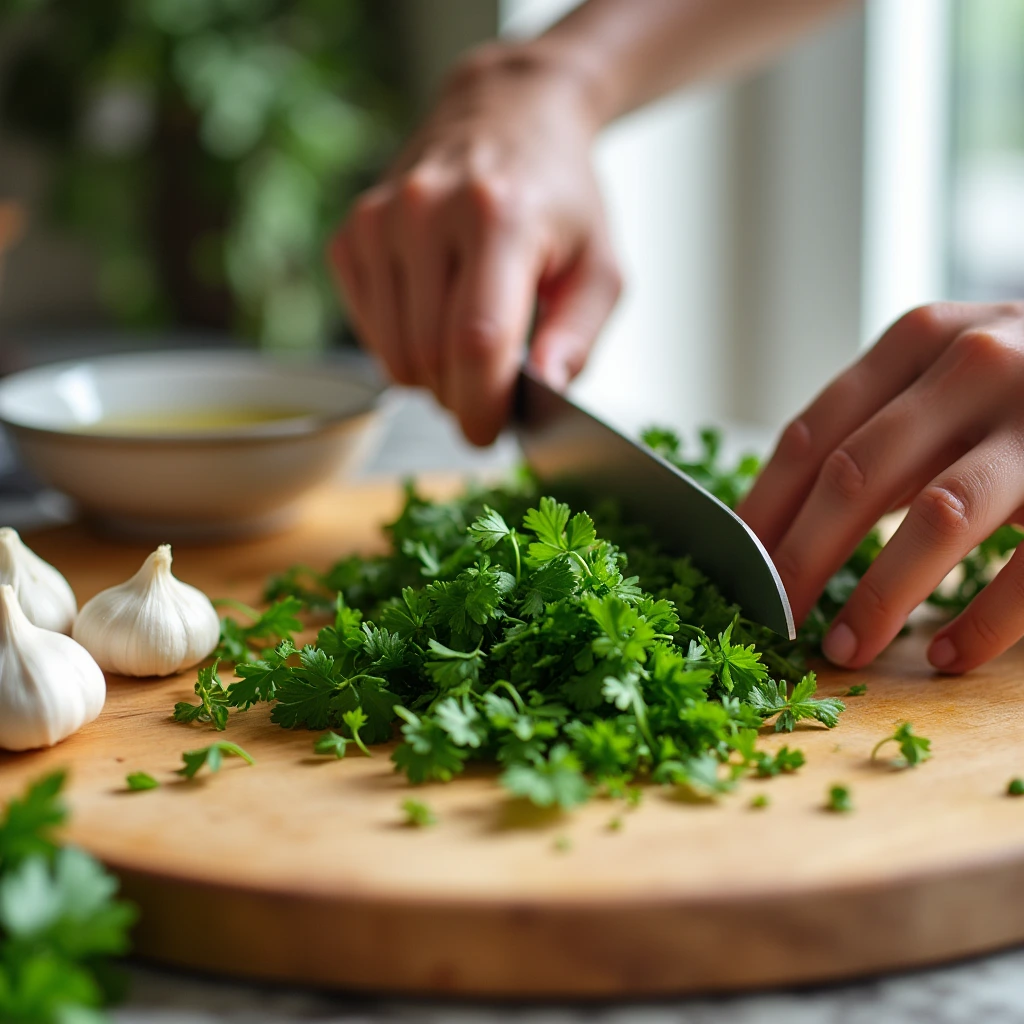
Gather the leaves into a tight bunch and use a rocking motion with your knife to mince them finely. For a coarser chop (great for salads), a few quick passes will do. Pro tip: a slightly dull knife will bruise the leaves and turn them dark, so keep your blade sharp for the brightest color and flavor.
Step 4: Build Your Base
In a small bowl, whisk together the olive oil, minced garlic, and lemon juice. This creates a simple dressing base that pairs beautifully with the chopped parsley and can be used on roasted vegetables, grilled meats, or grain bowls.
Step 5: Combine and Season
Fold the chopped parsley into your oil mixture. Season with salt and pepper to taste, and adjust the lemon juice if you want a brighter, tangier finish. Let it sit for 5 minutes before serving so the flavors can meld together.
Step 6: Use It Right Away or Store for Later
Parsley loses some of its vibrant flavor and color the longer it sits, so for the best results, use your prepared mixture within a few hours. If you’re prepping ahead, store the chopped parsley separately from the oil mixture and combine just before serving.
Nutritional Information
Parsley might be small, but it’s a nutritional powerhouse. Here’s a snapshot based on a 2-tablespoon (about 8 gram) serving of fresh parsley:
| Nutrient | Amount per 2 tbsp | % Daily Value |
|---|---|---|
| Calories | ~3 | — |
| Vitamin C | ~12 mg | ~13–16% |
| Vitamin A | ~34 mcg | ~4% |
| Vitamin K | ~164 mcg | Over 100% |
| Iron | ~0.5 mg | ~3% |
| Fiber | ~0.3 g | ~1% |
Parsley is especially notable for its vitamin K content, which plays a key role in bone health and blood clotting. It’s also a good source of antioxidants, including flavonoids that may help support overall cellular health. Because it’s used in small amounts, parsley won’t dramatically shift your calorie count, but it adds a meaningful nutrient boost for almost no caloric cost.
Healthier Alternatives for the Recipe
Looking to make this even more diet-friendly? Try these simple swaps:
- Reduce the oil: Cut the olive oil in half and add a splash of low-sodium vegetable broth to keep the mixture moist without the extra fat.
- Boost the greens: Mix in some chopped cilantro or mint alongside the parsley for a more complex, herb-forward flavor with added antioxidants.
- Lower sodium: Skip the added salt and rely on lemon juice and garlic for flavor — a great option for anyone watching their sodium intake.
- Nut-free crunch: If you enjoy adding pine nuts but need a nut-free option, toasted sunflower seeds offer a similar texture and nutty flavor.
These adjustments let you enjoy the same bright, herbaceous flavor while tailoring the recipe to fit different dietary goals, whether that’s heart health, weight management, or simply eating a bit lighter.
Serving Suggestions
Once you know how to use parsley in your everyday cooking, the possibilities are nearly endless:
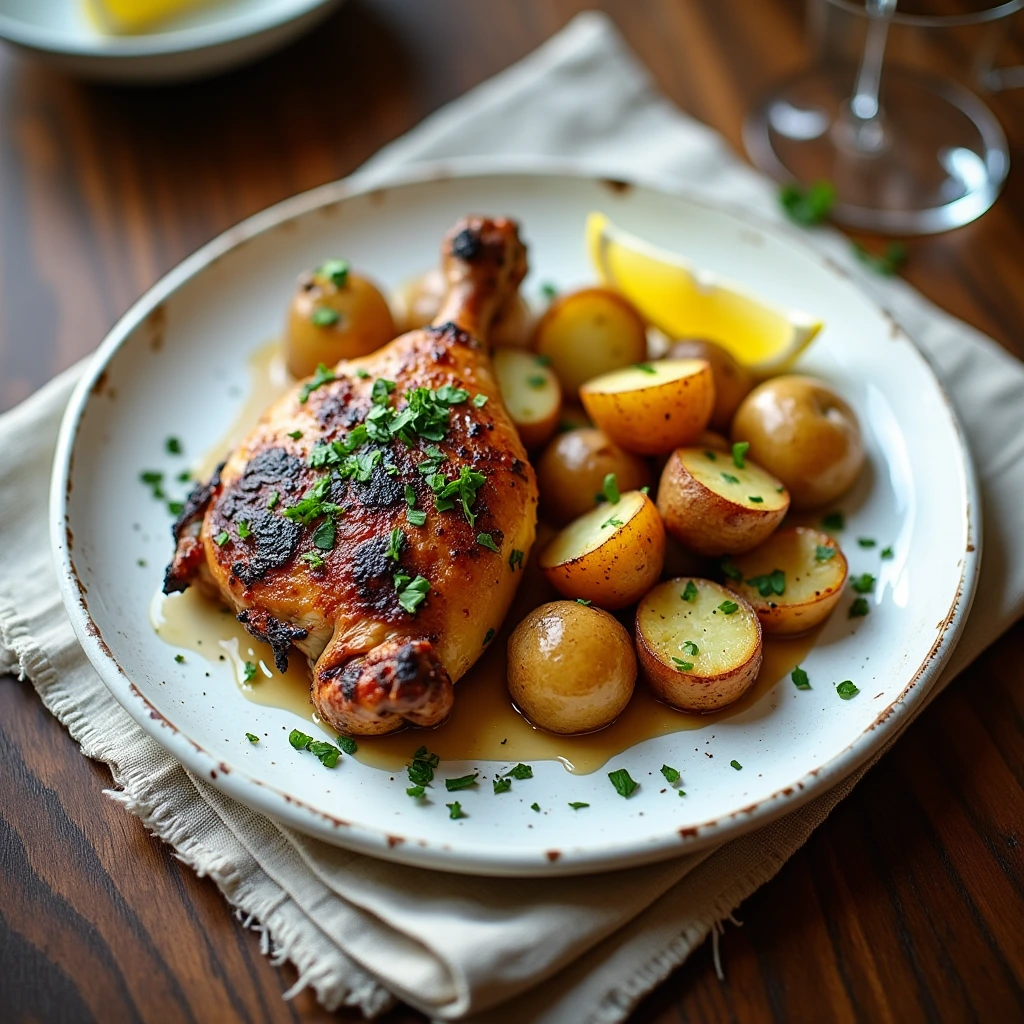
- Drizzle it over grilled chicken or fish for a fresh, herbaceous finish that cuts through richness.
- Stir it into soups just before serving to add a pop of color and a fresh, slightly peppery bite.
- Toss it with roasted potatoes for a simple side dish that feels a little more special.
- Mix it into grain bowls with quinoa, farro, or rice for added texture and flavor.
- Blend it into a chimichurri-style sauce and serve alongside steak or roasted vegetables.
- Sprinkle it over pasta right before plating to brighten up a heavier, cream-based sauce.
A personal favorite trick: keep a small jar of this parsley mixture in your fridge during the week. It turns even the simplest weeknight dinner — like a plain piece of grilled chicken or a bowl of rice — into something that feels intentional and fresh.
Common Mistakes to Avoid
- Using wilted or old parsley: Fresh parsley should be vibrant and crisp. Wilted leaves lose much of their flavor and aroma, so always choose the freshest bunch available.
- Chopping too far in advance: Pre-chopped parsley oxidizes and darkens quickly, losing both visual appeal and some of its fresh flavor. Chop it as close to serving time as possible.
- Overcooking it: Parsley is meant to be used fresh or added at the very end of cooking. Adding it too early in a hot dish will cause it to wilt and lose its bright flavor.
- Confusing parsley with cilantro: These two herbs look similar but taste completely different. Double-check before you buy, especially if a recipe specifically calls for one over the other.
- Not drying it properly: Excess water dilutes flavor and can make dressings or sauces watery. Always dry your parsley thoroughly after washing.
Storing Tips for the Recipe
To keep fresh parsley at its best:
- Short-term storage: Wrap the unwashed bunch loosely in a damp paper towel and place it in a plastic bag in the refrigerator’s crisper drawer. This can keep parsley fresh for up to two weeks.
- Water jar method: Trim the stems and place the bunch upright in a jar with about an inch of water, like a bouquet of flowers, then cover loosely with a plastic bag and refrigerate. Change the water every few days.
- Freezing: Chop the parsley and freeze it in ice cube trays with a bit of olive oil or water. This is a great way to have pre-portioned herbs ready for soups and sauces all winter long.
- Dried parsley: While fresh is best for flavor, drying parsley (or buying it dried) is a convenient backup for recipes where texture matters less, such as slow-cooked stews.
Conclusion
Now you know how to use parsley to bring fresh flavor, color, and nutrition to everyday meals. From simple garnishes to homemade sauces, this versatile herb deserves more credit than it usually gets. Try the recipe above, share your results in the comments, and subscribe for more easy cooking tips delivered straight to your inbox.
FAQs
Can I substitute dried parsley for fresh? Yes, but use about one-third the amount, since dried herbs are more concentrated in flavor. Keep in mind the texture and brightness will differ from fresh parsley.
Is flat-leaf or curly parsley better for cooking? Flat-leaf (Italian) parsley generally has a stronger, more robust flavor and is preferred for cooking. Curly parsley has a milder taste and a sturdier texture, making it a popular choice for garnishing.
How long does fresh parsley last in the fridge? With proper storage, such as the damp paper towel or water jar method, fresh parsley can last up to two weeks in the refrigerator.
Can I eat parsley stems? Absolutely. Parsley stems are edible and packed with flavor. They’re especially useful in stocks, broths, and slow-cooked dishes where they have time to release their flavor.
Does parsley have any health benefits? Parsley is a good source of vitamin K, vitamin C, and antioxidants. While it’s used in small quantities, it can still contribute meaningfully to a balanced diet.