Introduction
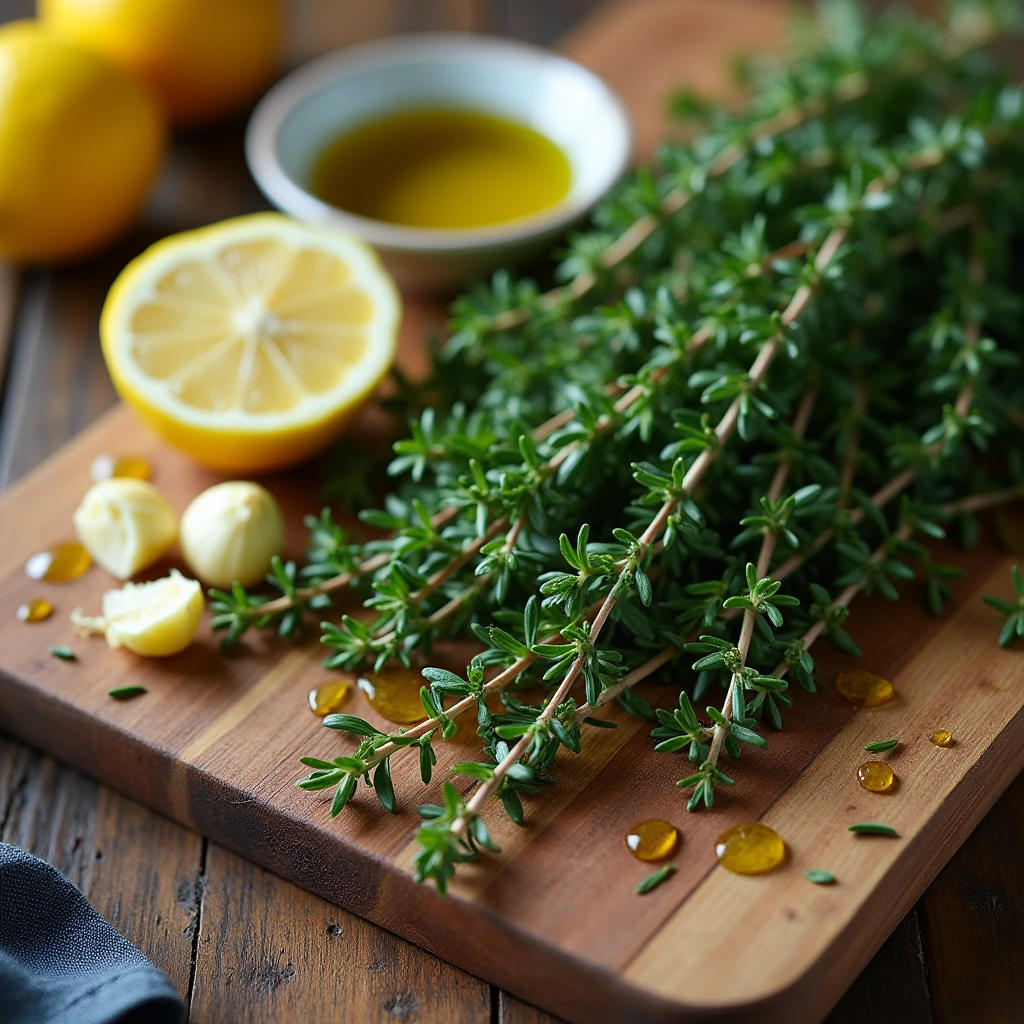
Looking for a simple healing herbal plant tea to add to your wellness routine? Plants and herbs have been used in traditional food and drink preparations for centuries, offering natural flavors, antioxidants, and comforting aromas. While no plant can replace prescribed medication or magically cure every illness, a carefully prepared herbal drink can be a relaxing and nutritious addition to a balanced lifestyle.
This easy recipe focuses on creating a warm, refreshing herbal infusion using accessible ingredients. Think of it as a comforting wellness drink—not a substitute for medical treatment.
Ingredients List
For approximately 2 servings, you will need:
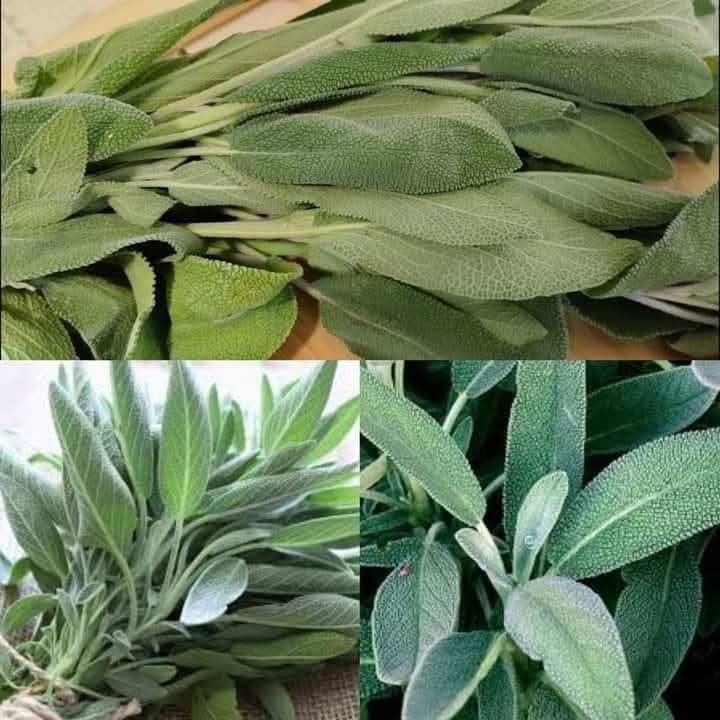
- 1 cup fresh edible herb leaves, washed thoroughly
- Examples: mint, lemon balm, or another culinary herb appropriate for tea
- 2 cups water
- 1 teaspoon freshly grated ginger
- ½ lemon, sliced
- 1 teaspoon honey, optional
- A small pinch of cinnamon, optional
Possible Substitutions
- Replace fresh herbs with 1–2 teaspoons of dried culinary herbs.
- Use lime instead of lemon for a sharper citrus flavor.
- Skip honey or use another preferred sweetener.
- Leave out ginger if you prefer a milder drink.
The combination creates a fragrant drink with bright citrus notes, gentle warmth from ginger, and a naturally refreshing herbal aroma.
Timing
- Preparation time: 5 minutes
- Steeping time: 10 minutes
- Total time: Approximately 15 minutes
This makes it a convenient homemade herbal drink that can be prepared in less time than many traditional simmered herbal preparations.
Step-by-Step Instructions
Step 1: Wash and Prepare the Herbs
Rinse the fresh leaves thoroughly under clean running water. Gently pat them dry.
For more aroma, lightly crush the leaves with the back of a spoon before adding them to the water.
Step 2: Heat the Water
Bring 2 cups of water to a gentle boil.
Avoid excessively boiling delicate leaves for a long time, as this can change the flavor and make some herbal teas taste bitter.
Step 3: Add the Herbs and Ginger
Remove the water from direct heat and add your prepared herbs and grated ginger.
Cover the cup or saucepan. Covering helps retain the aromatic compounds that give herbal tea much of its pleasant fragrance.
Step 4: Steep Slowly
Allow the mixture to steep for about 8–10 minutes.
Taste before extending the steeping time. Stronger is not always better—an overly concentrated herbal drink may become unpleasant or cause digestive discomfort in some people.
Step 5: Add Lemon and Optional Honey
Strain the tea into cups and add fresh lemon.
If desired, add a small amount of honey after the drink has cooled slightly. Stir gently and enjoy.
Nutritional Information
Nutritional values vary significantly depending on the herbs and the amount of honey used. For an unsweetened herbal infusion, the drink is generally very low in calories.
Approximate Values Per Serving
- Calories: 2–10 calories without sweetener
- Fat: 0 g
- Protein: 0 g
- Carbohydrates: 0–2 g
- Added sugar: 0 g without honey
- Vitamin C: Small amounts when fresh lemon is included
Fresh herbs and plant-based ingredients may also contain naturally occurring antioxidant compounds. However, the exact nutritional profile depends on the specific plant, preparation method, and serving size.
Healthier Alternatives for the Recipe
This herbal drink can easily be adapted to different preferences.
For a Sugar-Free Version
Skip the honey entirely and let the lemon and herbs provide natural flavor.
For a Caffeine-Free Evening Drink
Choose naturally caffeine-free culinary herbs such as lemon balm or mint.
For a More Refreshing Cold Drink
Allow the tea to cool, refrigerate it, and serve over ice with fresh lemon slices.
For a Spicier Flavor
Add a small piece of fresh ginger. Start with a modest amount, especially if you are not accustomed to spicy ingredients.
Serving Suggestions
Serve this herbal tea:
- Warm in the morning as a refreshing alternative to sweetened drinks.
- After a meal as a flavorful caffeine-free beverage.
- Over ice on warm days.
- Alongside a balanced breakfast containing fruit, whole grains, and protein.
- With a slice of lemon and fresh herb leaves for an attractive presentation.
For a relaxing experience, prepare the tea fresh and enjoy its aroma before taking the first sip.
Common Mistakes to Avoid
Using an Unidentified Plant
Never prepare tea from a plant unless you are absolutely certain it is correctly identified and safe for culinary consumption.
Making the Tea Too Concentrated
More leaves or a longer steeping time does not necessarily mean more benefits. Extremely concentrated preparations can have stronger effects and may not be appropriate for everyone.
Adding Too Much Sweetener
Large amounts of honey or sugar can quickly turn a naturally low-calorie drink into a high-sugar beverage.
Ignoring Possible Interactions
Some herbs and plant products can interact with medications or may not be suitable during pregnancy, breastfeeding, or certain medical conditions. Check with a qualified healthcare professional when unsure.
Storing Tips for the Recipe
Herbal tea tastes best when freshly prepared, but leftovers can be stored safely.
- Allow the tea to cool before refrigerating.
- Store it in a clean, covered container.
- Refrigerate promptly.
- For the best flavor, consume within 1–2 days.
- Do not leave prepared herbal drinks at room temperature for extended periods.
You can also wash and dry fresh herbs ahead of time and keep them refrigerated in a suitable container for easier preparation.
Conclusion
This healing herbal plant tea is a simple, flavorful way to enjoy fresh herbs, ginger, and lemon as part of a balanced lifestyle. Try the recipe, share your experience in the comments, leave a review, and subscribe for more practical wellness-inspired recipes.
FAQs
Can this herbal tea replace medication?
No. Herbal drinks and home recipes should not replace prescribed medication or professional medical care. If you have a health condition, consult a qualified healthcare professional before changing your treatment.
What is the best plant to use for this recipe?
Choose a properly identified edible herb that is commonly used in culinary teas, such as mint or lemon balm. Different herbs have different flavors and properties.
Can I drink this tea every day?
That depends on the specific herb, your overall health, medications, and the amount consumed. Moderate culinary use is generally different from consuming concentrated herbal preparations.
Can I use dried herbs?
Yes. Dried culinary herbs can be used, although they are often more concentrated than fresh leaves. Start with a smaller quantity and adjust according to taste.
Can I make this recipe without ginger?
Absolutely. Simply use the herbs, water, and lemon for a lighter and milder drink.
Is honey necessary?
No. Honey is optional. You can enjoy the tea unsweetened or choose another sweetener according to your dietary preferences.
Can children drink herbal tea?
Not all herbs are appropriate for children. Check with a qualified healthcare professional before giving herbal preparations to a child, particularly concentrated or medicinal-style teas.