Introduction
Guava leaves for water retention are often discussed in traditional wellness practices as a simple herbal tea option. Water retention, also called fluid retention or edema, can cause temporary puffiness and swelling. This gentle guava leaf tea is refreshing and easy to prepare, but it is important to remember that persistent or sudden swelling requires medical evaluation.
Guava leaves contain naturally occurring plant compounds and antioxidants, making them an interesting ingredient in herbal beverages. However, scientific evidence is currently insufficient to confirm that guava leaf tea can reliably treat or eliminate water retention. Think of this recipe as a traditional wellness drink—not a replacement for medical treatment.
Ingredients List
To prepare this simple guava leaf tea for water retention, you will need:
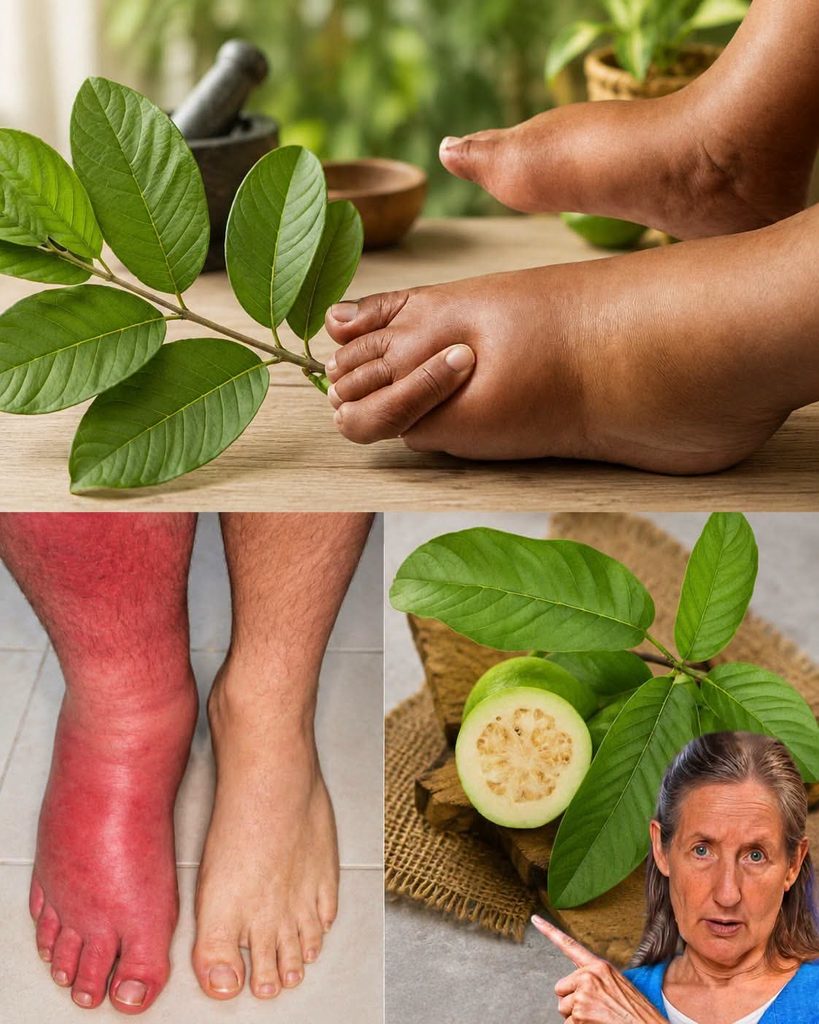
- 5–8 clean fresh guava leaves
- 2 cups (500 ml) of water
- 1 small slice of fresh ginger (optional)
- Fresh lemon juice, to taste (optional)
- A small amount of honey, if desired
Possible Substitutions
- Fresh guava leaves: Use properly sourced dried guava leaves according to the package directions.
- Ginger: Omit it if you prefer a milder herbal flavor.
- Lemon: Try a slice of lime for a similar bright, citrusy taste.
- Honey: Leave it out for a naturally unsweetened drink.
Choose leaves that are clean, fresh, and free from pesticide residue. Never use leaves from an unknown source that may have been treated with chemicals.
Timing
- Preparation time: 5 minutes
- Simmering time: 10–15 minutes
- Cooling time: 5 minutes
- Total time: Approximately 20–25 minutes
This makes the recipe quick enough to prepare as part of a relaxing morning or afternoon routine.
Step-by-Step Instructions
Step 1: Wash the Guava Leaves
Rinse the guava leaves thoroughly under clean running water.
Inspect both sides of every leaf and remove any dirt or damaged areas. This simple step is especially important when using leaves picked from a garden or outdoor tree.
Step 2: Bring the Water to a Boil
Pour 2 cups of water into a small saucepan and bring it to a gentle boil.
Avoid using an excessively large amount of water, as a smaller quantity helps create a more concentrated herbal infusion.
Step 3: Add the Leaves
Add the washed guava leaves to the hot water.
If using ginger, add a small slice at this stage. Ginger provides a warm, aromatic flavor that pairs naturally with the earthy taste of the leaves.
Step 4: Simmer Gently
Reduce the heat and allow the mixture to simmer for approximately 10–15 minutes.
A gentle simmer is preferable to aggressive boiling. Covering the pan can also help retain aroma and reduce evaporation.
Step 5: Strain and Cool
Remove the saucepan from the heat and strain the tea into a cup.
Allow it to cool slightly before drinking. Add lemon juice or a small amount of honey if desired.
Nutritional Information
Because this recipe is an herbal infusion rather than a conventional food, its exact nutritional values can vary depending on the leaves, preparation method, and serving size.
A plain, unsweetened cup generally contains:
| Nutrient | Approximate Amount |
|---|---|
| Calories | Very low |
| Fat | 0 g or negligible |
| Added sugar | 0 g |
| Sodium | Very low |
| Protein | Negligible |
Guava leaves contain naturally occurring plant compounds, including polyphenols and other antioxidants. However, the amount transferred into tea can vary significantly.
Adding honey will increase the calorie and sugar content.
Healthier Alternatives for the Recipe
Enjoy It Unsweetened
For the simplest version, drink the tea without added honey or sugar.
Add Citrus for Flavor
A squeeze of fresh lemon or lime can provide a brighter taste without requiring added sugar.
Try a Ginger-Free Version
If you have a sensitive stomach or simply prefer a milder flavor, prepare the tea with guava leaves and water only.
Stay Hydrated Throughout the Day
If you are concerned about occasional puffiness, overall hydration and a balanced diet are generally more important than relying on one herbal drink.
Serving Suggestions
Serve your guava leaf tea:
- Warm in the morning as part of a relaxing routine.
- Chilled over ice on a warm day.
- With a slice of lemon for a fresh citrus aroma.
- Alongside a balanced breakfast containing fruit, whole grains, and protein.
For a refreshing iced version, prepare the tea, allow it to cool completely, and refrigerate it before serving over ice.
Common Mistakes to Avoid
Using Leaves From an Unknown Source
Avoid leaves that may have been exposed to pesticides, pollution, or other contaminants.
Assuming Herbal Tea Can Treat Edema
Guava leaf tea should not be considered a treatment for significant water retention. Swelling can sometimes be related to heart, kidney, liver, vein, medication, or other medical conditions.
Adding Too Much Sweetener
Large amounts of honey or sugar can turn a naturally light beverage into a high-sugar drink.
Ignoring Persistent Swelling
Seek medical advice if swelling is sudden, severe, persistent, affects one leg more than the other, or occurs with symptoms such as shortness of breath or chest pain.
Storing Tips for the Recipe
For the best flavor, drink freshly prepared guava leaf tea soon after making it.
If necessary:
- Refrigerate cooled tea in a clean, covered container.
- Use it within 24 hours for best freshness.
- Do not leave prepared tea at room temperature for extended periods.
- Wash fresh leaves shortly before use rather than storing them wet.
Discard the tea if its smell, appearance, or taste changes noticeably.
Conclusion
Guava leaf tea is a simple, refreshing herbal drink that may fit into a balanced wellness routine. Try this recipe for its natural flavor, share your experience in the comments, and subscribe for more practical recipe updates.
FAQs
Can guava leaves remove water retention?
There is not enough scientific evidence to say that guava leaves can reliably remove or cure water retention. Persistent swelling should be evaluated by a healthcare professional.
How often can I drink guava leaf tea?
There is no universally established amount specifically for treating water retention. Enjoy herbal teas moderately and consult a qualified healthcare professional if you have a medical condition or take medications.
Can pregnant or breastfeeding people drink guava leaf tea?
Pregnant or breastfeeding individuals should consult a healthcare professional before regularly consuming herbal preparations, including guava leaf tea.
Can I use dried guava leaves?
Yes, provided they are sourced from a reputable supplier and intended for food or tea use. Follow the product’s preparation instructions.
What causes water retention?
Water retention can have many causes, including prolonged sitting or standing, high sodium intake, hormonal changes, certain medications, and underlying medical conditions.
When should swelling be considered urgent?
Seek urgent medical care for sudden or severe swelling, swelling accompanied by shortness of breath or chest pain, or unexplained swelling in one leg, particularly when it is painful or warm.
To keep receiving more simple herbal recipes and wellness ideas, leave a comment, share your feedback, and subscribe for future updates.