Focus Keyword: Clove Tea for Joint Pain and Inflammation
SEO Title: Clove Tea for Joint Pain and Inflammation: Benefits and Easy Recipe
Meta Description: Discover how to prepare clove tea for joint pain and inflammation, explore its potential health benefits, learn the recipe, and understand important safety precautions.
Introduction
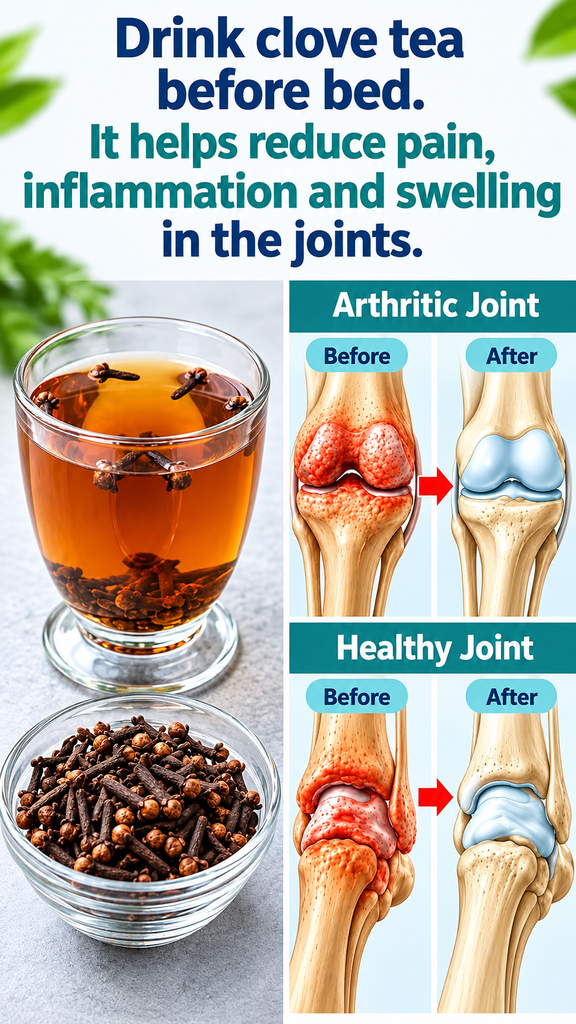
Clove tea for joint pain and inflammation is a traditional herbal drink made from dried cloves and hot water. Cloves contain eugenol, a natural compound studied for its antioxidant and anti-inflammatory properties. Although early research suggests potential benefits, there is not enough clinical evidence to confirm that clove tea relieves arthritis or chronic joint pain in humans.
Still, this warming, aromatic beverage can be an enjoyable addition to a balanced lifestyle. In this guide, you will learn how to prepare clove tea at home, which ingredients pair well with it, its nutritional value, and the precautions to consider before drinking it regularly.
Ingredients List
This simple clove tea recipe requires only a few everyday ingredients.
Ingredients for One Serving
- 1 cup of water: Approximately 240 ml.
- 3–4 whole dried cloves: These provide the tea’s distinctive warm, slightly sweet flavor.
- 1 thin slice of fresh ginger (optional): Adds a refreshing, spicy taste.
- 1 teaspoon of fresh lemon juice (optional): Provides a bright citrus flavor.
- 1 teaspoon of honey (optional): Adds natural sweetness.
Ingredient Substitutions
- Ground cloves: Use a small pinch instead of whole cloves, although the tea may become cloudy and stronger.
- Cinnamon: Add a small piece for extra warmth and fragrance.
- Orange peel: Substitute for lemon if you prefer a sweeter citrus aroma.
- Unsweetened tea: Skip honey to keep the drink free of added sugars.
For the best flavor, choose aromatic cloves that are dry, intact, and free from visible mold.
Timing
- Preparation time: 2 minutes
- Simmering time: 5 minutes
- Steeping time: 5 minutes
- Total time: Approximately 12 minutes
This recipe requires minimal preparation and no special equipment.
Step-by-Step Instructions
Step 1: Prepare the Ingredients
Measure one cup of fresh water and place three or four whole cloves on a clean surface. If desired, wash and slice a small piece of fresh ginger.
Helpful tip: Lightly crush the cloves with the back of a spoon to release their aroma. Avoid grinding them into a fine powder unless you prefer a stronger, more intense flavor.
Step 2: Heat the Water
Pour the water into a small saucepan and bring it to a gentle boil.
If you are using ginger or a small piece of cinnamon, add it to the water at this stage. These ingredients complement the warm, spicy character of cloves.
Step 3: Add the Cloves
Add the whole cloves to the boiling water. Reduce the heat and allow the mixture to simmer gently for approximately five minutes.
The water will gradually develop a golden-brown color and a rich, spicy fragrance.
Helpful tip: Avoid boiling the mixture vigorously for an extended period. A short simmer is generally sufficient to prepare a flavorful infusion.
Step 4: Allow the Tea to Steep
Turn off the heat, cover the saucepan, and let the tea steep for another five minutes.
Steeping allows additional flavor to develop without requiring prolonged cooking. If you prefer a milder drink, shorten the steeping time.
Step 5: Strain and Serve
Pour the tea through a fine strainer into your favorite cup. Remove the cloves and allow the drink to cool to a comfortable temperature.
Add a little lemon juice or honey if desired.
Enjoy the tea slowly as part of your usual daily routine. Remember that drinking clove tea is not a proven treatment for arthritis, inflammation, or other medical conditions.
Nutritional Information
Clove tea prepared with water and a few whole cloves is generally very low in calories.
The exact nutritional values depend on the number of cloves used, steeping time, and optional ingredients. Because the cloves are removed before drinking, the beverage does not provide the same amount of fiber and nutrients as eating the whole spice.
Estimated Nutrition Per Cup
| Nutrient | Approximate amount |
|---|---|
| Calories | 0–5 kcal |
| Carbohydrates | 0–1 g |
| Protein | 0 g |
| Fat | 0 g |
| Fiber | 0 g |
| Added sugar | 0 g without honey |
These are approximate estimates, not laboratory-tested nutritional values.
Adding one teaspoon of honey contributes approximately 21 calories and 6 grams of carbohydrates, mostly from sugars.
Understanding Eugenol
Cloves contain eugenol, a naturally occurring compound associated with antioxidant activity and potential anti-inflammatory effects in laboratory research.
However, laboratory findings do not establish that drinking clove tea delivers a therapeutic dose of eugenol or reduces joint inflammation in people. More human research is needed to determine whether clove tea has meaningful effects on arthritis symptoms.
Potential Benefits of Clove Tea for Joint Pain and Inflammation
1. Contains Antioxidant Compounds
Cloves contain plant compounds that demonstrate antioxidant activity. Antioxidants help protect cells from damage caused by unstable molecules known as free radicals.
A varied diet rich in fruits, vegetables, herbs, and spices can support overall health. Nevertheless, the antioxidant content of clove tea does not prove that it can treat joint disease.
2. May Have Anti-Inflammatory Potential
Eugenol has shown anti-inflammatory effects in some laboratory and experimental studies.
Inflammation plays a role in conditions such as rheumatoid arthritis and other inflammatory disorders. However, there is currently insufficient clinical evidence to conclude that drinking clove tea meaningfully reduces inflammation or joint swelling in humans.
3. Provides a Comforting, Caffeine-Free Beverage
Plain clove tea is naturally caffeine-free. Its warm flavor may make it a pleasant alternative to caffeinated drinks, particularly in the evening.
Staying adequately hydrated supports normal bodily functions, although hydration alone does not cure joint pain.
4. Can Complement a Balanced Lifestyle
Joint comfort is influenced by several factors, including physical activity, body weight, sleep, and the underlying cause of the pain.
Clove tea can be enjoyed alongside healthy habits, but it should not replace appropriate medical treatment, physical therapy, or prescribed medication.
Healthier Alternatives for the Recipe
You can adjust this recipe to suit different preferences and dietary needs.
1. Clove and Ginger Tea
Add one thin slice of fresh ginger during simmering. Ginger provides a complementary spicy flavor and has been studied for potential effects on inflammation and pain.
Evidence varies by preparation and condition, so this combination should not be considered a proven arthritis remedy.
2. Clove and Lemon Tea
Add a teaspoon of fresh lemon juice after straining. This creates a bright, refreshing drink without requiring added sugar.
If you experience acid reflux, remember that lemon may aggravate your symptoms.
3. Unsweetened Clove Tea
Leave out the honey to avoid added sugar and calories. This is a useful option for people who prefer an unsweetened beverage or are monitoring their sugar intake.
4. Clove and Cinnamon Tea
Add a small piece of cinnamon while simmering the cloves. The result is a fragrant, warming drink that requires no sweetener.
Use modest amounts, particularly if you drink herbal infusions regularly. Cinnamon supplements and concentrated extracts have different safety considerations from ordinary culinary amounts.
Serving Suggestions
Clove tea is versatile and can be enjoyed in several ways.
- After breakfast: Serve a small cup alongside a balanced meal.
- During a relaxing evening: Enjoy the tea warm as part of your bedtime routine.
- With lemon and ginger: Create a more complex flavor without adding much sugar.
- As an iced herbal drink: Cool the strained tea, refrigerate it, and serve over ice.
- With a light snack: Pair it with fruit, plain yogurt, or a small handful of unsalted nuts.
For joint health, focus on an overall eating pattern that includes vegetables, fruit, whole grains, healthy fats, and adequate protein rather than relying on one particular drink.
Common Mistakes to Avoid
1. Using Too Many Cloves
Cloves have a concentrated flavor, and larger quantities are not necessarily more beneficial. Excessive consumption may cause irritation or increase exposure to eugenol.
Start with the modest culinary quantity in this recipe.
2. Assuming Clove Tea Cures Arthritis
There is no strong clinical evidence that clove tea cures arthritis, repairs cartilage, or eliminates chronic joint inflammation.
Do not stop prescribed treatment because you have started drinking herbal tea.
3. Drinking Concentrated Clove Oil
Clove essential oil is much more concentrated than clove tea. Swallowing it can cause serious poisoning, including liver injury and bleeding complications.
Never substitute clove essential oil for whole cloves in this recipe.
4. Adding Too Much Sugar
Excessive added sugar can make an otherwise low-calorie drink less suitable for people trying to manage their sugar intake.
Use a small amount of honey or enjoy the tea without sweetener.
5. Ignoring Persistent Joint Pain
Joint pain can result from osteoarthritis, inflammatory arthritis, injury, infection, or other medical conditions.
Seek medical advice if the pain persists, worsens, or interferes with everyday activities. A suddenly hot, red, swollen joint accompanied by fever requires urgent medical assessment.
Storing Tips for the Recipe
Freshly prepared clove tea generally tastes best when consumed shortly after preparation.
If you make extra tea, follow these storage guidelines:
- Cool promptly: Transfer the tea to a clean container and refrigerate it within two hours.
- Use an airtight container: This helps preserve the aroma and reduce contamination.
- Refrigerate: Keep the tea at 4°C (40°F) or below.
- Consume within 2–3 days: For best quality, use refrigerated leftovers within this period.
- Reheat gently: Warm only the amount you intend to drink, and avoid repeated heating and cooling.
Discard the tea if it develops an unusual smell, visible mold, or other signs of spoilage.
You can also measure the cloves in advance and store them in a dry, airtight container away from heat and sunlight.
Medical Precautions and Possible Side Effects
Although cloves are commonly used as a culinary spice, concentrated preparations and excessive intake may not be safe for everyone.
- Blood-thinning medication: Eugenol may affect blood clotting. Consult your healthcare professional before regularly consuming medicinal amounts of cloves if you take anticoagulants or antiplatelet medication.
- Bleeding disorders: Seek medical advice before using concentrated clove preparations.
- Diabetes medication: If you take medication that lowers blood sugar, discuss regular use of concentrated clove products with your clinician.
- Pregnancy and breastfeeding: There is insufficient safety evidence for medicinal quantities of cloves. Ask your healthcare professional before using them therapeutically.
- Allergies or stomach irritation: Stop drinking the tea if it causes a rash, mouth irritation, nausea, or other unwanted symptoms.
- Surgery: Tell your surgical team about herbal supplements and concentrated clove products before a planned procedure.
Ordinary culinary use is different from high-dose supplements or essential oils. People with medical conditions or those taking medication should not assume that a natural product is automatically safe.
Conclusion
Clove tea for joint pain and inflammation is a simple, aromatic drink containing potentially beneficial plant compounds, including eugenol. Prepare it with a few whole cloves, hot water, and optional ginger or lemon. Enjoy it as part of a balanced lifestyle, not as a replacement for medical care. Try this recipe, share your experience in the comments or review section, and subscribe for more practical wellness and herbal tea guides.
FAQs – Frequently Asked Questions
1. Does clove tea help with joint pain?
Cloves contain eugenol, which has demonstrated anti-inflammatory potential in laboratory research. However, there is not enough reliable human evidence to establish that clove tea relieves joint pain or treats arthritis.
2. How many cloves should I use for one cup of tea?
For this recipe, use three or four whole cloves in approximately 240 ml of water. This is a culinary preparation, not an established therapeutic dose.
3. Can I drink clove tea every day?
There is insufficient evidence to establish a safe, effective daily medicinal dose of clove tea. Occasional culinary-strength use may be reasonable for many adults, but regular use warrants caution if you take medication, have a medical condition, or are pregnant or breastfeeding.
4. Is clove tea good for arthritis?
Clove compounds are being studied for their biological effects, but clove tea has not been established as an effective treatment for osteoarthritis or rheumatoid arthritis. Follow your healthcare professional’s treatment recommendations.
5. Can I add ginger to clove tea?
Yes. A thin slice of fresh ginger can add flavor. Ginger has also been studied for potential effects on pain and inflammation, but the results do not establish that homemade clove and ginger tea treats arthritis.
6. Is it better to drink clove tea in the morning or at night?
There is no scientific evidence that a particular time of day makes clove tea more effective for joint pain. Choose a time that suits your routine and does not aggravate your stomach.
7. Can clove tea reduce swelling in the joints?
It has not been established that drinking clove tea reduces joint swelling in humans. Persistent or unexplained swelling should be assessed by a healthcare professional, especially if the joint is hot, red, or very painful.
8. Can I use ground cloves instead of whole cloves?
Yes. A small pinch can be used, but ground cloves may create a stronger, cloudier drink. Start with a small amount and strain the tea if needed.
9. Can I drink clove tea while taking blood thinners?
Consult your healthcare professional before using clove tea regularly in medicinal quantities. Eugenol may affect blood clotting, and the potential interaction depends on your medication and health circumstances.
10. What is the best natural drink for joint inflammation?
No single drink has been proven to eliminate joint inflammation. Water and unsweetened beverages can support hydration, while an overall balanced diet may support general health. Persistent joint symptoms require an assessment to identify the underlying cause.
11. Does clove tea have side effects?
Possible problems include stomach irritation, allergic reactions, and concerns about bleeding with concentrated clove preparations or certain medications. Swallowing clove essential oil can be dangerous and should be avoided.
12. How long does it take for clove tea to work?
There is no established timeline because clove tea has not been proven to relieve joint pain in clinical trials. Do not delay medical evaluation or effective treatment while waiting for an herbal remedy to work.