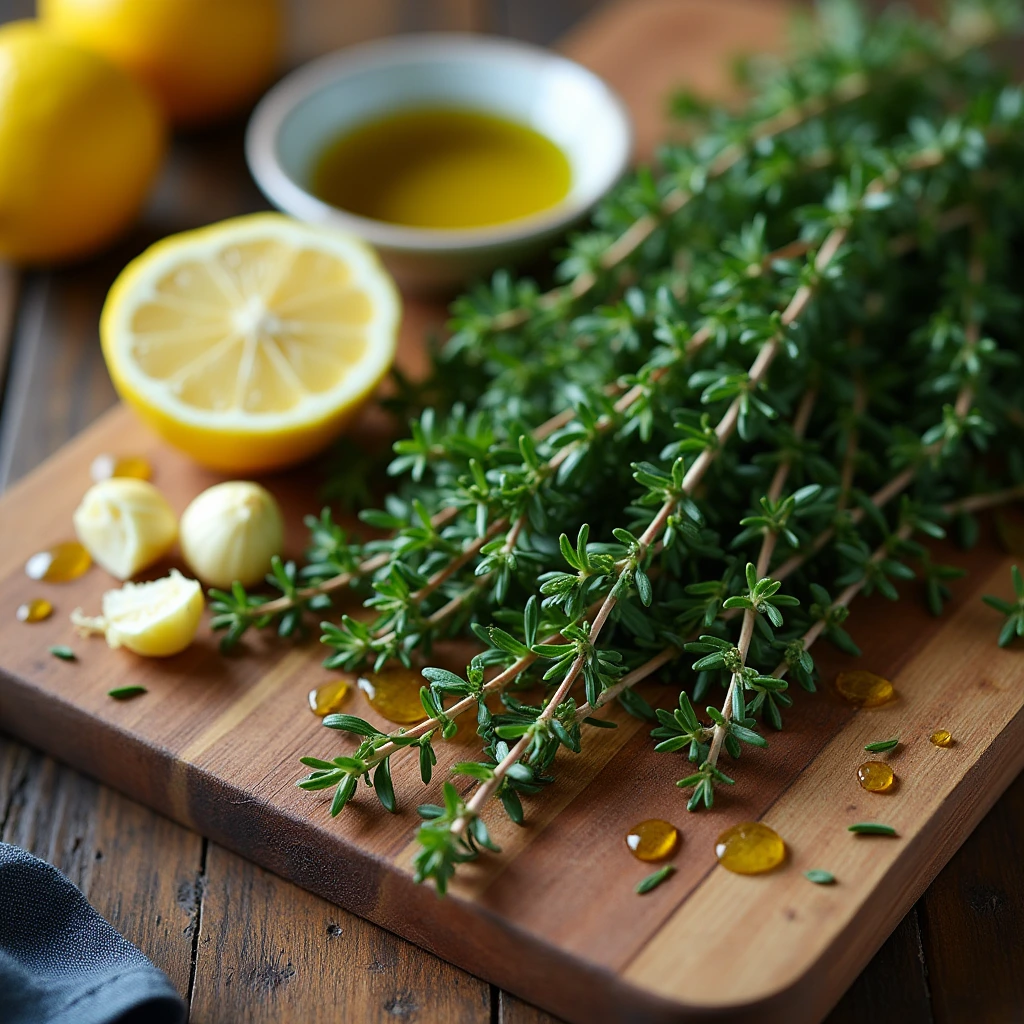
Focus Keyword: Powerful Herb for Parasites, Infections, Joint Pain, and Inflammation
SEO Title: The Most Powerful Herb for Parasites, Infections, Joint Pain, and Inflammation
Meta Description: Discover the potential benefits of medicinal herbs, a soothing herbal tea recipe, preparation tips, nutritional information, safety precautions, and natural ways to support your health.

1. Introduction
Finding a powerful herb for parasites, infections, joint pain, and inflammation is a common goal for people interested in natural wellness. Certain herbs, including ginger, turmeric, garlic, and oregano, contain bioactive compounds that have been studied for their potential antimicrobial and anti-inflammatory properties.
However, no single herb has been proven to eliminate all parasites, cure infections, and treat every type of joint pain. Herbal remedies are best viewed as complementary options rather than replacements for appropriate medical treatment.
In this article, you will discover how to prepare a simple ginger and turmeric herbal infusion, explore its potential benefits, and learn how to use natural ingredients safely as part of a balanced lifestyle.
2. Ingredients List
This warming herbal infusion combines aromatic spices with fresh citrus for a comforting drink.
Ingredients
- 1 teaspoon freshly grated ginger: Provides a spicy flavor and contains gingerols, compounds studied for their potential anti-inflammatory effects.
- 1/2 teaspoon ground turmeric: Contains curcumin, a compound researched for its possible role in supporting joint health.
- 1 cup water (250 ml): Forms the base of the herbal infusion.
- 1 teaspoon fresh lemon juice: Adds a refreshing citrus flavor and vitamin C.
- 1 teaspoon honey (optional): Provides natural sweetness.
- A small pinch of black pepper (optional): Adds warmth and may influence curcumin absorption, although the amount in a homemade drink is not well established.
Ingredient Substitutions
- Replace fresh ginger with 1/4 teaspoon ground ginger if necessary.
- Use fresh turmeric instead of ground turmeric.
- Substitute lime juice for lemon juice.
- Omit honey for a sugar-free version.
- Use unsweetened ginger tea as a convenient alternative to preparing the infusion from scratch.
Important: These ingredients may contribute to a healthy diet, but this drink has not been demonstrated to eradicate intestinal parasites or cure bacterial, viral, or fungal infections.
3. Timing
Preparing this herbal drink requires very little time.
- Preparation time: 5 minutes
- Simmering time: 5–10 minutes
- Steeping time: 3–5 minutes
- Total time: Approximately 15–20 minutes
- Servings: 1 cup
Unlike complicated herbal preparations, this recipe requires no special equipment or lengthy cooking process.
4. Step-by-Step Instructions
Step 1: Prepare the Ingredients
Wash the fresh ginger thoroughly and grate approximately one teaspoon. Measure the turmeric and prepare the lemon juice.
Fresh ingredients offer a bright aroma and distinctive flavor, making the infusion enjoyable without requiring large quantities of sweeteners.
Step 2: Heat the Water
Pour one cup of water into a small saucepan and bring it to a gentle boil.
Avoid prolonged boiling, which is unnecessary for this simple drink and can reduce the amount of water through evaporation.
Step 3: Add the Ginger and Turmeric
Add the grated ginger and ground turmeric to the hot water.
Reduce the heat and simmer gently for approximately 5–10 minutes. Stir occasionally to distribute the ingredients evenly.
The ginger creates a warming, spicy aroma, while turmeric adds an earthy flavor and golden color.
Step 4: Allow the Infusion to Steep
Remove the saucepan from the heat and allow the mixture to steep for another 3–5 minutes.
Strain the liquid into a heat-resistant cup if you prefer a smoother texture.
Step 5: Add Lemon and Honey
Allow the drink to cool slightly before adding lemon juice and optional honey.
Stir thoroughly and taste the infusion. If the flavor is too strong, add a little more warm water.
Step 6: Serve and Enjoy
Drink the infusion while comfortably warm. It can be enjoyed as part of a balanced diet, but there is no established therapeutic dose for treating parasites, infections, or inflammatory joint conditions with this recipe.
Do not increase the quantities excessively in an attempt to obtain stronger medicinal effects.
5. Nutritional Information
The nutritional content depends on the ingredients used and how much of the ginger and turmeric remains in the drink after straining.
Approximate nutrition for one cup prepared with the ingredients above and one teaspoon of honey:
| Nutrient | Approximate amount |
|---|---|
| Calories | 20–30 kcal |
| Carbohydrates | 5–7 g |
| Sugars | 4–6 g |
| Fat | Less than 1 g |
| Protein | Less than 1 g |
| Fiber | Usually less than 1 g |
| Vitamin C | A small amount |
These are estimates rather than laboratory-tested values. The actual amounts will vary according to ingredient size, extraction, and the quantity of honey used.
What About Antioxidants?
Ginger contains gingerols, while turmeric contains curcuminoids. Both groups of compounds have been studied for their biological activity.
Laboratory findings do not necessarily translate into meaningful health benefits in humans. The amount of these compounds absorbed from a homemade tea is also different from the amount delivered by concentrated supplements used in clinical studies.
6. Healthier Alternatives for the Recipe
You can adapt this herbal drink to your preferences without making unsupported medical claims.
For a Sugar-Free Drink
Skip the honey and enjoy the natural warmth of ginger and turmeric with lemon.
For a Caffeine-Free Evening Drink
Prepare the infusion with water instead of black or green tea. This makes it suitable for people who prefer to avoid caffeine.
For a Milder Flavor
Reduce the ginger and turmeric quantities and add more water. A milder infusion may be more comfortable for people who find strong spices irritating.
For Additional Nutritional Variety
Pair the drink with a balanced meal containing vegetables, whole grains, legumes, and healthy fats. These foods provide nutrients that support general health.
What About Garlic and Oregano?
Garlic and oregano contain compounds that have demonstrated antimicrobial activity in some laboratory studies. However, eating them or drinking herbal preparations has not been shown to reliably eliminate intestinal parasites or cure established infections.
Use them as culinary ingredients rather than substitutes for prescribed treatment.
7. Serving Suggestions
This ginger and turmeric infusion is versatile and easy to incorporate into daily routines.
- Morning wellness drink: Enjoy it with breakfast alongside fruit and whole-grain toast.
- After a meal: Serve a small cup if you find warm ginger beverages soothing.
- Cool-weather comfort: Prepare a fresh cup on cold days for a warming, aromatic experience.
- Iced herbal infusion: Allow the prepared drink to cool, refrigerate it promptly, and serve over ice with a slice of lemon.
- With a balanced snack: Pair it with plain yogurt, nuts, or fresh fruit.
There is no scientific evidence that drinking this infusion at a particular time of day makes it more effective against parasites, infections, or joint inflammation.
8. Common Mistakes to Avoid
Mistake 1: Believing One Herb Can Cure Every Condition
Parasites, bacterial infections, viral illnesses, and inflammatory joint diseases have different causes and require different approaches.
Better approach: Seek an appropriate diagnosis instead of relying on a universal herbal remedy.
Mistake 2: Using Excessive Amounts of Spices
Large quantities of ginger or turmeric can cause stomach discomfort, heartburn, nausea, or diarrhea.
Better approach: Start with culinary quantities and stop using the drink if it causes unwanted symptoms.
Mistake 3: Replacing Prescribed Medication
Untreated parasitic infections and some bacterial infections can lead to serious complications.
Better approach: Follow the treatment recommended by a qualified healthcare professional. Do not stop antibiotics, antiparasitic medicines, or other prescribed treatments because of an herbal recipe.
Mistake 4: Assuming Natural Means Risk-Free
Herbal ingredients can interact with medications and may not be suitable for everyone.
Better approach: Ask a healthcare professional before using concentrated herbal supplements, especially if you take regular medication or have a chronic condition.
Mistake 5: Expecting Immediate Results
A soothing drink may be pleasant, but it is not a proven treatment for persistent joint pain or an active infection.
Better approach: Monitor your symptoms and obtain medical advice when pain, fever, digestive problems, or other symptoms persist.
9. Storing Tips for the Recipe
For the freshest flavor, prepare this infusion immediately before drinking it.
If you have leftovers:
- Transfer the cooled drink into a clean, covered container.
- Refrigerate it promptly, ideally within two hours.
- Use it within 24–48 hours for good quality.
- Reheat only the amount you intend to drink.
- Discard the drink if it develops an unusual smell, appearance, or signs of spoilage.
Avoid leaving the infusion at room temperature overnight.
You can also prepare small portions of grated ginger in advance and refrigerate them in a clean, sealed container for short-term use. For longer storage, freeze measured portions.
Remember that refrigeration preserves food quality; it does not turn an herbal drink into a validated antiparasitic or antimicrobial treatment.
10. Conclusion
Ginger and turmeric make a flavorful herbal infusion containing compounds studied for their potential anti-inflammatory properties. Enjoy this simple recipe as part of a balanced lifestyle, but seek medical care for suspected parasites, infections, or persistent joint pain. Try the recipe, share your feedback in the comments, and subscribe for more wellness updates.
11. FAQs – Frequently Asked Questions
1. What Is the Most Powerful Herb for Parasites, Infections, Joint Pain, and Inflammation?
There is no single herb proven to treat all four problems. Ginger and turmeric have been studied for possible anti-inflammatory effects, while garlic and oregano contain compounds investigated for antimicrobial activity. None should replace appropriate diagnosis and treatment.
2. Can Ginger and Turmeric Kill Intestinal Parasites?
There is insufficient reliable clinical evidence that drinking ginger and turmeric tea eliminates intestinal parasites in humans.
If you suspect a parasitic infection, consult a healthcare professional. Diagnosis may require stool testing or other investigations, and treatment depends on the specific parasite.
3. Can This Herbal Drink Cure Bacterial Infections?
No. This infusion has not been established as a treatment for bacterial infections. Some infections require prescription antibiotics, and delaying treatment can lead to complications.
4. Does Turmeric Help With Joint Pain?
Curcumin, a compound in turmeric, has been investigated for its potential to reduce symptoms associated with some inflammatory conditions, including osteoarthritis. However, evidence varies, and a homemade turmeric drink is not equivalent to a standardized supplement or a proven medical treatment.
5. How Often Can I Drink Ginger and Turmeric Tea?
There is no medically established frequency for treating parasites, infections, or joint pain with this drink. If you enjoy it as a beverage, keep the ingredients within ordinary culinary quantities and consider your health conditions and medications.
6. Is It Safe to Drink This Infusion Every Day?
Small culinary amounts are tolerated by many adults, but daily use may not suit everyone. Ginger and turmeric can cause digestive symptoms, and concentrated supplements may have additional risks.
Consult a healthcare professional if you take blood-thinning medication, have gallbladder problems, have a history of kidney stones, or are pregnant or breastfeeding.
7. Can I Add Black Pepper to Improve Turmeric Absorption?
Black pepper contains piperine, which can increase curcumin absorption under certain circumstances. However, the effect of a small pinch in homemade tea is uncertain, and piperine can alter the absorption or metabolism of some medications. Ask a pharmacist or healthcare professional if you take prescription medicines.
8. Which Herbs Have Been Studied for Antimicrobial Properties?
Garlic, oregano, thyme, and several other herbs contain compounds investigated for antimicrobial activity. Much of this research comes from laboratory studies, and it does not establish that consuming these herbs treats infections in people.
9. What Should I Do if I Have Persistent Joint Pain?
Arrange a medical assessment, particularly if the pain is severe, persistent, or accompanied by swelling or reduced movement. A hot, swollen joint with fever requires urgent medical evaluation.
10. When Should I Seek Medical Attention for a Suspected Parasite or Infection?
Seek medical advice if you have persistent diarrhea, unexplained weight loss, ongoing abdominal pain, blood in your stool, or symptoms following potentially contaminated food or water.
Seek urgent care for severe abdominal pain, confusion, difficulty breathing, significant dehydration, or a high fever accompanied by severe symptoms.
Disclaimer: This article is for general educational purposes and does not replace professional medical advice, diagnosis, or treatment. Herbal drinks may complement a healthy lifestyle, but they are not proven cures for parasitic infections, bacterial infections, or inflammatory diseases.