Introduction
Eyebright for eye health has been used traditionally in herbal preparations for generations, particularly in European folk medicine. Online claims sometimes suggest that this small flowering plant can eliminate cataracts, restore eyesight, or make glasses unnecessary. However, there is currently no good clinical evidence showing that eyebright can reverse cataracts or replace professional eye care.
Cataracts involve clouding of the eye’s natural lens and can progressively affect vision. The proven treatment for a cataract that significantly interferes with daily activities is evaluation by an eye-care professional and, when appropriate, cataract surgery.
That does not mean traditional herbs are uninteresting. Eyebright can be explored as an herbal wellness ingredient, provided it is used appropriately and not presented as a treatment for eye disease.

Ingredients List
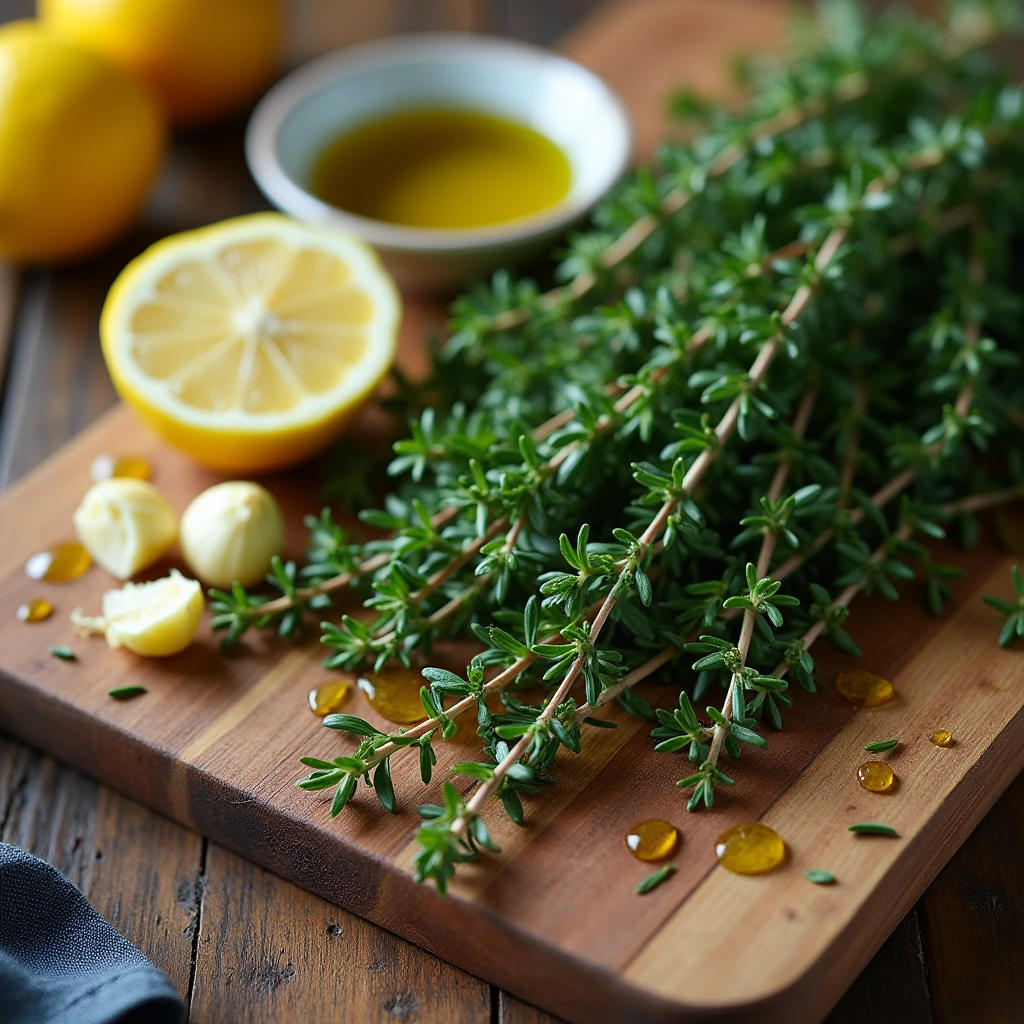
For a simple eyebright herbal tea, you will need:
- 1 teaspoon dried eyebright herb — traditionally used in herbal preparations and available from reputable herbal suppliers.
- 1 cup (240 ml) freshly boiled water — helps extract water-soluble compounds from the herb.
- Optional: ½ teaspoon honey — adds gentle sweetness.
- Optional: a small slice of lemon — provides brightness and flavor.
Possible Substitutions
If you prefer not to use honey, simply leave it out or use another sweetener appropriate for your diet.
Do not substitute eyebright with an unidentified wild plant. Correct botanical identification is important because some plants can be toxic or unsuitable for consumption.
Important: This recipe is intended as a beverage. Do not put homemade eyebright tea, extracts, or plant material directly into your eyes.
Timing
| Preparation | Time |
|---|---|
| Measuring ingredients | 2 minutes |
| Steeping | 8–10 minutes |
| Straining and serving | 2 minutes |
| Total time | 12–14 minutes |
This is a quick herbal preparation that requires no cooking.
Step-by-Step Instructions
Step 1: Choose a Reliable Herb
Purchase dried eyebright from a reputable supplier that clearly identifies the botanical ingredient and provides appropriate quality information.
Avoid unidentified plants collected from roadsides, gardens, or the wild because contamination and misidentification can create unnecessary health risks.
Step 2: Measure the Eyebright
Place approximately 1 teaspoon of dried eyebright into a clean cup or teapot.
Using a modest amount is preferable to assuming that a stronger preparation will provide greater benefits. More herb does not automatically mean better results.
Step 3: Add Hot Water
Pour approximately 240 ml of freshly boiled water over the herb.
Cover the cup while it steeps. Keeping it covered can help retain aromatic compounds released during preparation.
Step 4: Let It Steep
Allow the tea to steep for approximately 8–10 minutes.
The finished drink may have a slightly bitter, herbal flavor. This is normal for many traditional medicinal herbs.
Step 5: Strain Carefully
Strain the liquid thoroughly before drinking.
If desired, add a small amount of honey or lemon after the tea has cooled slightly.
Step 6: Enjoy Responsibly
Drink the herbal tea as a beverage rather than treating it as a medicine for cataracts, glaucoma, macular degeneration, or other diagnosed eye conditions.
If you notice worsening vision, flashes of light, new floaters, eye pain, redness, or sudden vision loss, seek professional medical attention promptly.
Nutritional Information
Eyebright tea is primarily an herbal infusion rather than a significant source of calories or macronutrients.
Approximate nutrition for one cup without honey or sugar:
| Nutrient | Approximate amount |
|---|---|
| Calories | Very low |
| Protein | Negligible |
| Fat | Negligible |
| Carbohydrates | Very low |
| Added sugar | 0 g |
| Caffeine | 0 mg |
Exact nutritional values vary according to the quantity and preparation of the herb.
Eyebright should not be viewed as a substitute for nutrients known to support normal eye function, such as vitamin A, vitamin C, vitamin E, zinc, lutein, and zeaxanthin. A varied diet containing vegetables, fruits, legumes, nuts, seeds, fish, and other nutrient-rich foods is a more reliable approach to overall nutritional health.
Healthier Alternatives for the Recipe
If your primary goal is long-term eye wellness, consider making your overall diet more eye-friendly rather than relying on one herb.
Try pairing your herbal routine with:
- Leafy greens: spinach, kale, and collard greens provide carotenoids such as lutein and zeaxanthin.
- Colorful vegetables: carrots, sweet peppers, squash, and tomatoes add a variety of antioxidants.
- Citrus fruits and berries: useful sources of vitamin C and other plant compounds.
- Nuts and seeds: provide vitamin E and healthy fats.
- Fatty fish: salmon, sardines, and mackerel provide omega-3 fatty acids.
- Water: maintaining normal hydration supports general health.
For people who need to limit added sugar, skip honey entirely.
Serving Suggestions
Eyebright tea can be served:
- Warm in the morning or afternoon.
- With a small slice of lemon for a refreshing flavor.
- Unsweetened alongside breakfast.
- Chilled over ice during warmer weather.
Remember that serving the tea cold or warm does not transform it into a treatment for cataracts.
For a more balanced wellness routine, enjoy herbal tea alongside a meal containing vegetables, whole grains, healthy fats, and a source of protein.
Common Mistakes to Avoid
Mistake 1: Believing It Can Cure Cataracts
There is no reliable clinical evidence that drinking eyebright can remove an established cataract.
Mistake 2: Putting Homemade Tea Into the Eyes
This is particularly important. Homemade herbal preparations are not sterile and can introduce microorganisms or irritating particles into the eye.
Mistake 3: Replacing Eye Examinations
Regular eye examinations can identify cataracts and other conditions that may initially produce few symptoms.
Mistake 4: Using Excessive Amounts
Increasing the quantity does not necessarily increase effectiveness and may increase the risk of adverse effects.
Mistake 5: Collecting the Plant Without Proper Identification
Wild plants can be confused with other species. Use properly identified, commercially prepared herbs instead.
Mistake 6: Ignoring Sudden Vision Changes
Sudden loss of vision, severe eye pain, flashes, or a sudden increase in floaters can require urgent medical assessment.
Storing Tips for the Recipe
If you prepare more tea than you intend to drink immediately, place it in a clean, covered container and refrigerate it promptly.
For best quality, consume refrigerated herbal tea within 24 hours rather than keeping it for several days.
Store dried eyebright in its original sealed packaging or another airtight container away from heat, moisture, and direct sunlight.
Discard the herb if it develops an unusual odor, visible mold, moisture, or other signs of deterioration.
Conclusion
Eyebright is a traditional herbal ingredient sometimes associated with eye wellness, but it has not been proven to cure cataracts or restore vision. Enjoy it responsibly as a beverage, maintain a nutrient-rich diet, and continue regular eye examinations. Try the recipe if appropriate for you, share your experience in the review section or leave a comment on our blog, and subscribe for more updates and wellness recipes.
FAQs
Can eyebright cure cataracts?
No. There is currently insufficient clinical evidence that eyebright can reverse or cure cataracts. Cataracts that interfere with vision should be assessed by an eye-care professional.
Can eyebright make me stop wearing glasses?
There is no reliable evidence that drinking eyebright can eliminate the need for prescription glasses. Glasses correct refractive errors, while cataracts involve clouding of the eye’s natural lens.
Can I put eyebright tea directly into my eyes?
No. Homemade herbal tea is not sterile and should not be placed in the eyes. Doing so could cause irritation or infection.
How often can I drink eyebright tea?
There is no well-established evidence-based dose for using eyebright specifically to improve vision. If you want to use it regularly, discuss it with a qualified healthcare professional, particularly if you take medications or have a medical condition.
Is eyebright safe for everyone?
Not necessarily. Herbal products can cause side effects or interact with medications. Pregnant or breastfeeding individuals, children, people taking prescription medicines, and people with chronic medical conditions should seek professional advice before regularly consuming herbal preparations.
What is the most effective treatment for cataracts?
When cataracts significantly impair vision, cataract surgery is the established treatment. An ophthalmologist can determine whether surgery is appropriate based on your symptoms and examination.
What foods support healthy eyes?
A varied diet containing leafy green vegetables, colorful fruits and vegetables, nuts, seeds, eggs, and oily fish can provide nutrients associated with normal eye health. No single food or herb can guarantee protection against eye disease.
When should I see an eye doctor?
Arrange an eye examination if your vision becomes increasingly blurry, colors appear less vivid, glare becomes troublesome, or you have difficulty reading or driving. Seek urgent medical care for sudden vision loss, severe eye pain, flashes, or a sudden shower of floaters.