Introduction
Guava leaves are often overlooked because most people focus on the sweet, fragrant fruit. Yet these green leaves have a long history of traditional use in teas and home preparations. Guava leaves contain plant compounds such as polyphenols and flavonoids that have attracted scientific interest, although they should not be considered a cure for disease.
For generations, people in different cultures have prepared guava leaf tea as a simple herbal beverage. Its mild, earthy aroma makes it an interesting alternative to ordinary tea, especially when prepared fresh and enjoyed in moderation.
Today, guava leaves are being studied for their antioxidant properties and potential effects on digestion and blood sugar regulation. Human evidence remains limited, so guava leaf tea is best viewed as a traditional beverage rather than a replacement for medical treatment.
Ingredients List
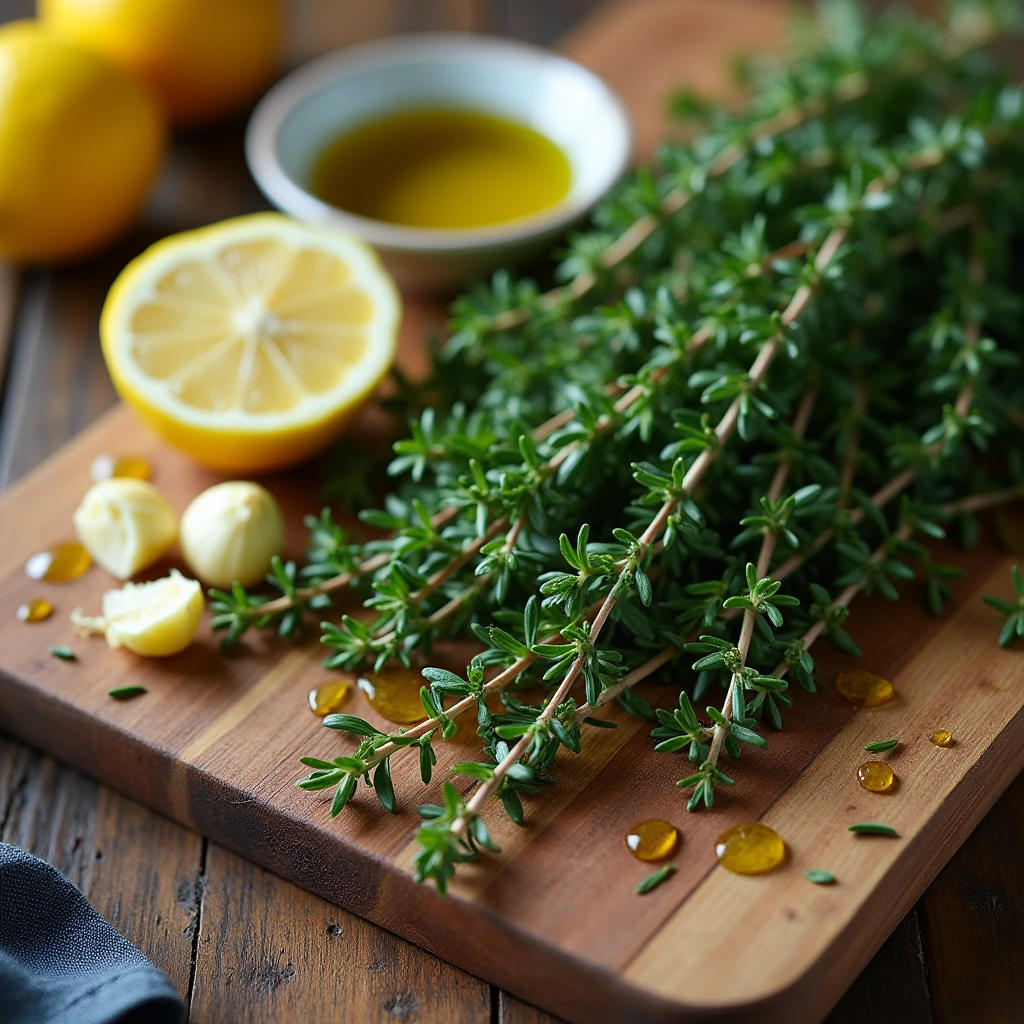
For a simple guava leaf tea, you only need a few ingredients:
- 5–7 fresh guava leaves – preferably young, healthy, pesticide-free leaves
- 2 cups of water – filtered water gives the cleanest flavor
- Optional: ½–1 teaspoon honey – for gentle sweetness
- Optional: A small slice of lemon – adds brightness and freshness
Possible Substitutions
If fresh guava leaves are unavailable, you can use dried guava leaves intended for tea or culinary use. Follow the package directions because dried leaves can vary in strength.
For a sugar-free option, simply leave out the honey. You can also enjoy the tea plain, allowing the naturally herbal flavor of the leaves to come through.
Timing
- Preparation: 5 minutes
- Simmering: 8–10 minutes
- Steeping: 5 minutes
- Total time: Approximately 20 minutes
This is a relatively quick herbal preparation that can be made while breakfast or dinner is being prepared.
Step-by-Step Instructions
Step 1: Select and Wash the Leaves
Choose several fresh, undamaged guava leaves. Wash them thoroughly under cool running water to remove dirt and surface debris.
Avoid leaves collected from trees that may have been treated with pesticides, herbicides, or other chemicals.
Step 2: Prepare the Water
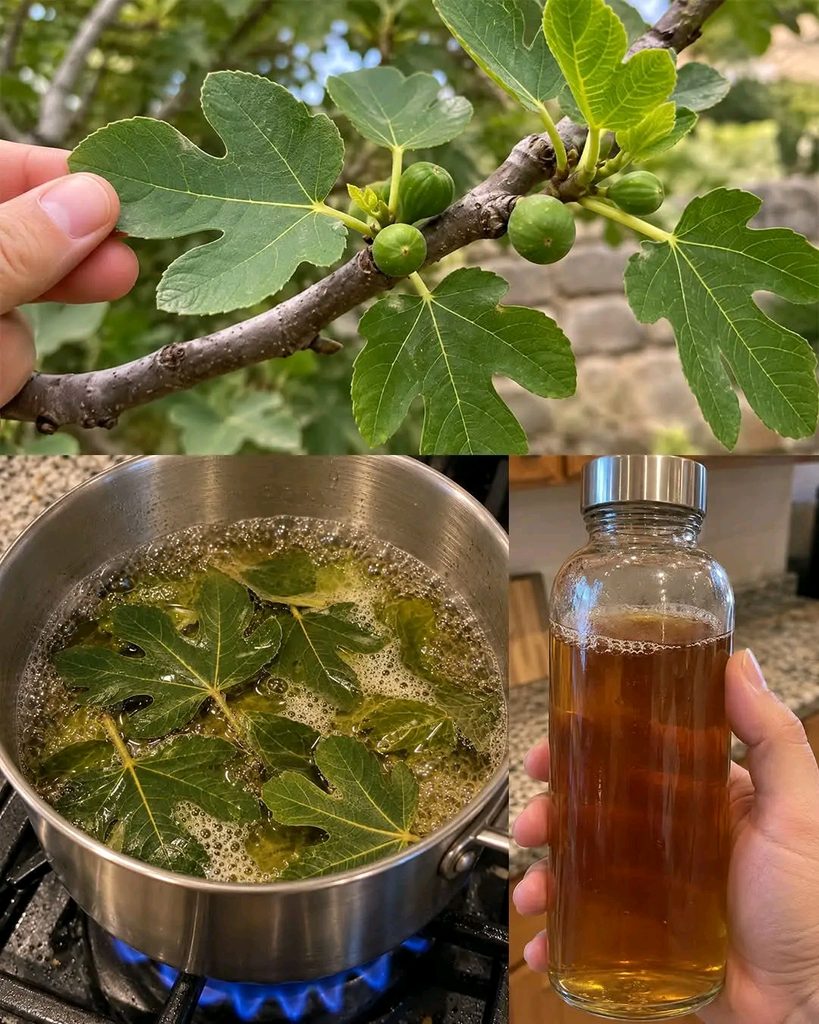
Pour approximately 2 cups of water into a small saucepan and bring it to a gentle boil.
Using clean, filtered water can help preserve the mild flavor of the infusion.
Step 3: Add the Guava Leaves
Reduce the heat and add the washed leaves to the water.
Allow them to simmer gently for about 8–10 minutes. The water may gradually take on a light greenish or brownish color as the plant compounds are extracted.
Step 4: Let the Tea Steep
Turn off the heat and let the mixture sit for another 5 minutes.
This additional steeping period gives the tea a deeper herbal aroma without requiring prolonged cooking.
Step 5: Strain and Serve
Strain the tea through a fine-mesh strainer and discard the leaves.
If desired, add a small amount of honey or a squeeze of lemon after the tea has cooled slightly.
Step 6: Enjoy Responsibly
Start with a modest serving rather than consuming large amounts. Traditional herbal preparations can affect people differently, and more is not necessarily better.
Nutritional Information
Plain guava leaf tea contains very few calories because the leaves are strained out rather than eaten.
Approximate nutrition for one cup of unsweetened tea:
| Nutrient | Approximate amount |
|---|---|
| Calories | Very low |
| Fat | Negligible |
| Protein | Negligible |
| Carbohydrates | Very low |
| Sugar | 0 g when unsweetened |
The more interesting components are the plant compounds naturally present in guava leaves, including flavonoids, phenolic compounds, and other antioxidants. The exact amount extracted into a cup of tea depends on the leaf variety, age, preparation method, and steeping time.
Healthier Alternatives for the Recipe
You can easily customize guava leaf tea without turning it into a sugary beverage.
- For a sugar-free drink: Skip honey completely.
- For extra flavor: Add lemon, lime, ginger, or a small cinnamon stick.
- For a refreshing iced tea: Prepare the tea, allow it to cool, then refrigerate and serve over ice.
- For a caffeine-free option: Guava leaf tea naturally contains no added tea leaves, so it can be an alternative to conventional caffeinated tea.
- For a lighter flavor: Use fewer leaves or reduce the steeping time.
Remember that adding honey, sugar, or syrups changes the nutritional profile of the drink.
Serving Suggestions
Guava leaf tea can be served warm in a small cup, particularly as a relaxing herbal beverage after a meal.
For warmer weather, allow it to cool and serve it over ice with:
- Fresh lemon slices
- Mint leaves
- A few pieces of fresh ginger
- Cucumber slices
- A small amount of honey, if desired
You can also prepare a larger batch and refrigerate it for later, provided it is stored safely and consumed promptly.
Common Mistakes to Avoid
Using Unidentified Leaves
Never assume that every leaf from a fruit tree is suitable for consumption. Correct plant identification matters.
Using Chemically Treated Leaves
Avoid leaves collected from roadsides, ornamental trees, or plants treated with pesticides unless they are specifically confirmed safe for culinary use.
Making the Tea Extremely Concentrated
A stronger preparation is not automatically more beneficial. Excessively concentrated herbal preparations may cause unwanted effects.
Adding Too Much Sugar
Turning a naturally low-calorie herbal tea into a heavily sweetened drink can substantially increase its sugar and calorie content.
Treating It Like Medicine
Guava leaf tea should not be used to replace prescribed medication or medical care. Research into potential health effects is promising in some areas but remains insufficient to establish guava leaves as a treatment for medical conditions.
Storing Tips for the Recipe
Fresh guava leaves should be washed shortly before preparation whenever possible. If you need to store them, keep them refrigerated in a clean container or breathable produce bag.
Prepared tea should be cooled promptly and stored in a clean, covered container in the refrigerator. For best quality, consume it within a few days rather than keeping it indefinitely.
If the tea develops an unusual smell, appearance, or taste, discard it.
Conclusion
Guava leaves are an often-overlooked part of the fruit tree, offering a simple traditional tea rich in plant compounds. Try this gentle preparation, share your experience in the review section or blog comments, and subscribe for more updates and recipes.
FAQs
Can you drink guava leaf tea every day?
There is not enough high-quality evidence to establish an ideal long-term daily amount. If you want to drink it regularly, keep servings moderate and discuss frequent use with a healthcare professional, particularly if you take medication.
What does guava leaf tea taste like?
It has a mild, earthy and slightly astringent flavor. Lemon or a small amount of honey can make the taste brighter and smoother.
Can I use dried guava leaves?
Yes, provided they are specifically sold or identified for culinary or tea use. Because dried leaves can be more concentrated, follow the preparation instructions supplied with the product.
Does guava leaf tea cure diabetes?
No. Although guava leaves have been investigated for possible effects on blood glucose, there is not sufficient evidence to claim that guava leaf tea cures diabetes. People with diabetes should continue following their prescribed treatment and monitoring plan.
Can guava leaf tea replace medication?
No. Traditional herbal tea should not replace prescribed medication. If you are considering guava leaves for a specific health condition, speak with your doctor or pharmacist first.
Are guava leaves safe for everyone?
Not necessarily. Pregnant or breastfeeding people, children, people with chronic medical conditions, and anyone taking prescription medication should seek professional advice before using guava leaves medicinally.
Can I drink guava leaf tea cold?
Yes. After preparation, allow it to cool safely, refrigerate it in a covered container, and serve it chilled with lemon or mint for a refreshing variation.
Why are people interested in guava leaves?
Guava leaves contain various naturally occurring plant compounds, including polyphenols and flavonoids. Researchers have studied these compounds for antioxidant and other biological activities, but laboratory findings do not automatically mean that drinking guava leaf tea will produce the same effects in humans.