Introduction
Garlic natural antibiotic is a popular phrase used to describe garlic’s long history in traditional wellness practices. Garlic contains sulfur compounds, especially allicin, which forms when fresh garlic is crushed or chopped. These compounds have demonstrated antimicrobial activity in laboratory research.
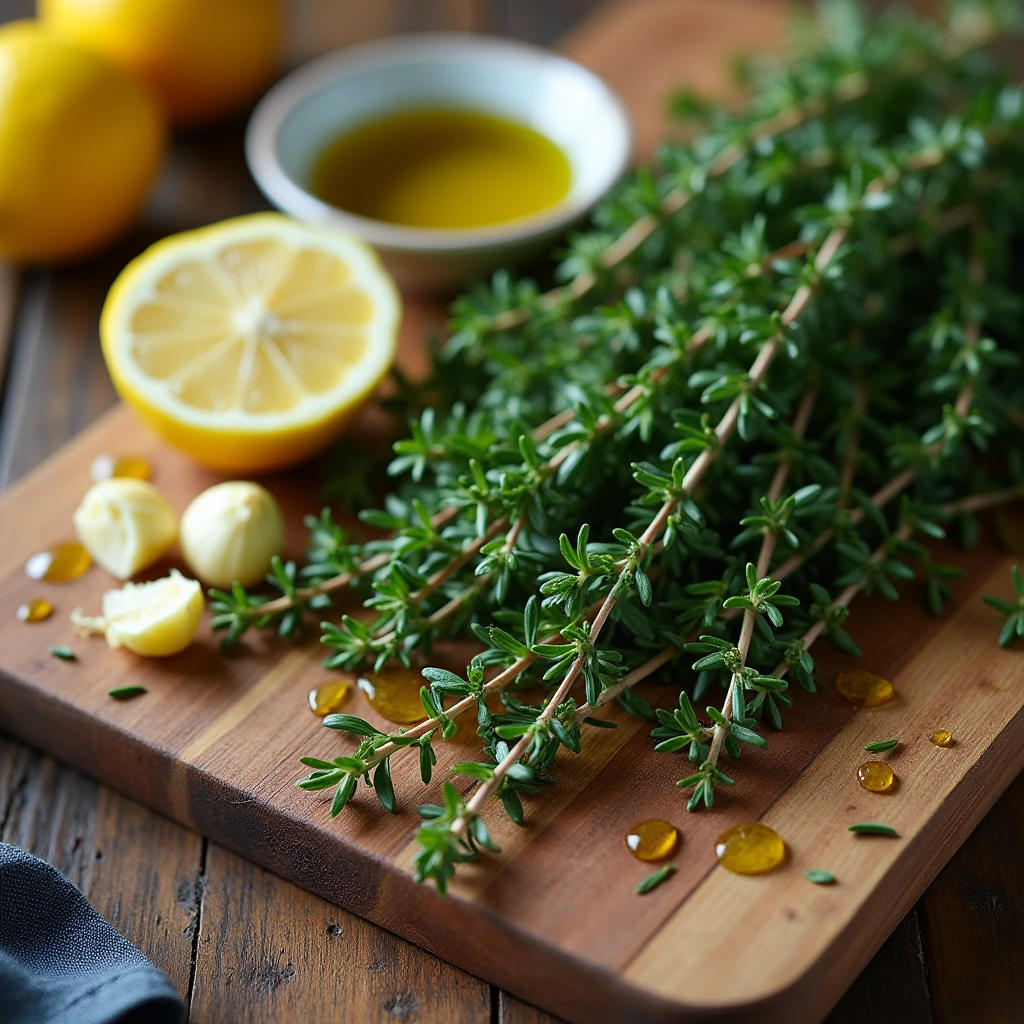
While garlic is not a replacement for antibiotics or medical treatment, adding it to a balanced diet can be a flavorful way to enjoy its nutritional benefits. This simple garlic recipe combines fresh garlic, olive oil, lemon, and herbs for a delicious everyday condiment.

Ingredients
- 6 fresh garlic cloves, peeled
- 3 tablespoons extra-virgin olive oil
- 1 tablespoon fresh lemon juice
- 1 tablespoon chopped fresh parsley
- ¼ teaspoon black pepper
- A small pinch of salt
- Optional: ½ teaspoon dried oregano
- Optional: a pinch of chili flakes for gentle heat
Ingredient Substitutions
You can easily personalize this recipe. Use avocado oil instead of olive oil, cilantro instead of parsley, or lime juice instead of lemon juice. For a milder flavor, reduce the garlic slightly.
Timing
| Preparation | Time |
|---|---|
| Preparation | 5 minutes |
| Resting time | 10 minutes |
| Cooking | None |
| Total time | 15 minutes |
Because this is a no-cook recipe, it takes only about 15 minutes from preparation to serving.
Step-by-Step Instructions
Step 1: Prepare the Garlic
Peel the garlic cloves and finely mince or crush them.
Tip: Crushing or chopping garlic activates enzymes that help form allicin, one of garlic’s best-known sulfur compounds. Let the crushed garlic sit for about 10 minutes before mixing it with the other ingredients.
Step 2: Add the Olive Oil
Place the prepared garlic in a small bowl and add the extra-virgin olive oil.
Stir slowly until the garlic is evenly coated. The olive oil softens the sharpness of raw garlic while adding a smooth, fruity flavor.
Step 3: Add Lemon and Herbs
Mix in the fresh lemon juice, parsley, black pepper, and salt.
If you enjoy Mediterranean flavors, add a little oregano. For extra heat, sprinkle in a small amount of chili flakes.
Step 4: Let the Flavors Develop
Allow the mixture to rest for another few minutes before serving.
This short resting period gives the garlic, herbs, lemon, and olive oil time to blend together.
Step 5: Serve
Spoon the mixture over roasted vegetables, grilled chicken, fish, beans, whole-grain bread, or a fresh salad.
You can also use a small amount as a flavorful dressing.
Nutritional Information
Nutritional values vary according to serving size and exact ingredients. Approximate nutrition for 1 tablespoon of the prepared mixture:
| Nutrient | Approximate amount |
|---|---|
| Calories | 60–70 kcal |
| Fat | 6–7 g |
| Carbohydrates | 1–2 g |
| Protein | Less than 1 g |
| Fiber | Less than 1 g |
| Sodium | Depends on added salt |
Garlic also provides small amounts of vitamin C, vitamin B6, manganese, and other naturally occurring plant compounds.
Healthier Alternatives for the Recipe
Want to make this garlic recipe even more nutritious?
- Reduce the oil: Use 1–2 tablespoons olive oil and add a little water or lemon juice.
- Limit sodium: Skip the added salt and rely on herbs, lemon, and black pepper.
- Add more herbs: Parsley, oregano, basil, and cilantro can increase flavor without adding much sodium.
- Add vegetables: Mix the garlic dressing with chopped tomatoes, cucumber, or leafy greens.
- For a dairy-free option: The basic recipe is already dairy-free.
- For a vegan option: Serve it with roasted vegetables, legumes, grains, or plant-based dishes.
Serving Suggestions
This versatile garlic mixture can become a regular part of your kitchen routine.
Try it with:
- Warm whole-grain toast
- Roasted potatoes
- Steamed broccoli or cauliflower
- Grilled chicken
- Baked fish
- Chickpeas or lentils
- Mediterranean grain bowls
- Tomato and cucumber salad
For a quick meal, drizzle it over roasted vegetables and cooked chickpeas, then finish with fresh parsley and lemon.
Common Mistakes to Avoid
Using Old or Spoiled Garlic
Fresh garlic provides the characteristic aroma and flavor this recipe needs. Avoid cloves that are moldy, soft, or visibly spoiled.
Burning Garlic
If you decide to cook the mixture, avoid high heat. Burnt garlic can become bitter and unpleasant.
Expecting Garlic to Replace Antibiotics
Garlic has antimicrobial properties, but eating garlic is not equivalent to taking a prescribed antibiotic. Bacterial infections may require professional diagnosis and treatment.
Using Too Much Garlic
Raw garlic can be very pungent and may cause heartburn, stomach discomfort, or bloating in some people. Start with a moderate amount.
Storing Garlic in Oil Incorrectly
This is particularly important. Raw garlic stored in oil can create conditions that allow Clostridium botulinum to grow. Do not keep homemade raw-garlic-in-oil mixtures at room temperature. For safety, prepare small amounts, refrigerate promptly, and follow food-safety guidance.
Storing Tips for the Recipe
For the best flavor and food safety, make this recipe fresh in small quantities.
- Refrigerate leftovers promptly in a clean, covered container.
- Do not leave raw garlic mixed with oil sitting at room temperature.
- Avoid storing homemade garlic-in-oil mixtures for extended periods.
- When in doubt, discard the mixture rather than tasting it to determine whether it is safe.
- For meal preparation, keep the garlic separate from the oil and combine shortly before serving.
Conclusion
Garlic is a flavorful ingredient containing sulfur compounds such as allicin and can easily fit into a balanced diet. Try this simple recipe, share your experience in the review section or blog comments, and subscribe for more wholesome recipes and updates.
FAQs
Is garlic really a natural antibiotic?
Garlic contains compounds with antimicrobial activity, including allicin. However, garlic should not be considered a substitute for medically prescribed antibiotics when an infection requires treatment.
What is the best way to activate allicin in garlic?
Crushing or finely chopping fresh garlic helps trigger the formation of allicin. Allowing crushed garlic to sit for around 10 minutes before cooking or using it may help preserve this process.
Can I eat raw garlic every day?
Many people can enjoy garlic regularly as part of a normal diet. However, large amounts of raw garlic may cause digestive discomfort, heartburn, or irritation in sensitive individuals.
Can garlic prevent infections?
Garlic is nutritious and has antimicrobial compounds, but there is not enough evidence to say that eating garlic alone prevents infections. Good hygiene, vaccination where appropriate, nutritious food, sleep, and medical care remain important.
Can I use garlic powder instead of fresh garlic?
Yes, garlic powder can add flavor, but fresh garlic contains different amounts and forms of sulfur compounds. For this particular recipe, fresh garlic provides the strongest flavor.
Who should be cautious with large amounts of garlic?
People taking blood-thinning or antiplatelet medicines, those preparing for surgery, and people who experience significant digestive symptoms from garlic should discuss regular high-dose garlic use with a healthcare professional.
Does garlic cure bacterial infections?
No. Garlic should not be relied upon to cure an infection. If you have symptoms such as persistent fever, worsening pain, difficulty breathing, pus, or other signs of a serious infection, seek medical attention.
What makes this recipe different from eating plain garlic?
Combining garlic with olive oil, lemon, and herbs makes it easier to incorporate into everyday meals while improving flavor. It is best viewed as a nutritious food preparation—not a medicinal treatment.