Introduction
Shallots are a simple, affordable ingredient that can add remarkable depth and sweetness to everyday meals. Naturally rich in plant compounds and prebiotic fibers, shallots can be part of a balanced diet that supports heart health, digestive wellness, and healthy-looking skin.
This easy shallot salad combines thinly sliced shallots with fresh herbs, lemon juice, olive oil, and crunchy vegetables. It is bright, refreshing, and ready in minutes—perfect as a side dish or a light lunch.
Ingredients
- 3 medium shallots, thinly sliced
- 1 large cucumber, diced
- 2 medium tomatoes, chopped
- 1 tablespoon fresh parsley, finely chopped
- 1 tablespoon extra-virgin olive oil
- 1 tablespoon fresh lemon juice
- 1 teaspoon apple cider vinegar
- ½ teaspoon honey, optional
- A small pinch of salt
- ¼ teaspoon freshly ground black pepper
- 1 tablespoon pumpkin seeds or sunflower seeds, optional
Easy Substitutions
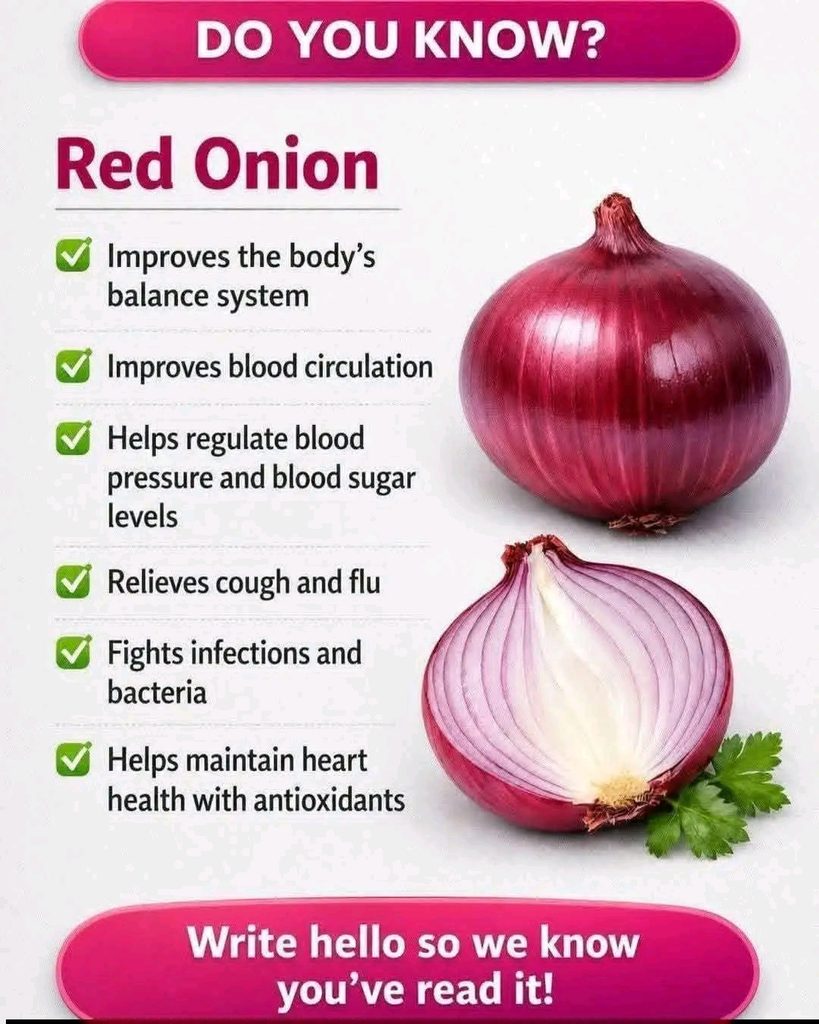
No shallots available? Use a small amount of red onion or sweet onion instead. Parsley can be replaced with cilantro, mint, or fresh basil. For a completely plant-based version, simply omit the honey.
Timing
- Preparation: 10 minutes
- Marinating: 10–15 minutes
- Cooking: None
- Total time: About 20–25 minutes
The recipe requires no cooking, making it considerably faster than many traditional vegetable side dishes.
Step-by-Step Instructions
Step 1: Prepare the Shallots
Peel the shallots and slice them as thinly as possible. Thin slices soften more quickly and distribute their flavor throughout the salad.
Tip: If raw shallots taste too sharp for you, soak the slices in cold water for 5–10 minutes, then drain thoroughly.
Step 2: Chop the Vegetables
Dice the cucumber and tomatoes into bite-sized pieces. Add them to a medium mixing bowl along with the sliced shallots.
For extra crunch, keep the cucumber chilled until you’re ready to assemble the salad.
Step 3: Add Fresh Herbs
Finely chop the parsley and sprinkle it over the vegetables. Fresh herbs add color, aroma, and additional plant compounds without requiring much salt or dressing.
Step 4: Make the Dressing
In a small bowl, whisk together the extra-virgin olive oil, lemon juice, apple cider vinegar, honey if desired, black pepper, and a small pinch of salt.
Taste the dressing before adding it to the salad. If you prefer more acidity, add another teaspoon of lemon juice.
Step 5: Combine Everything
Pour the dressing over the shallot and vegetable mixture. Toss gently until everything is evenly coated.
Avoid overmixing, especially if your tomatoes are very ripe.
Step 6: Let the Flavors Develop
Allow the salad to rest for approximately 10–15 minutes before serving. This short resting period helps mellow the shallots and allows the dressing to blend with the vegetables.
Add pumpkin or sunflower seeds just before serving for extra crunch.
Nutritional Information
Nutrition will vary according to portion size and ingredients used. An approximate serving of this vegetable salad provides:
| Nutrient | Approximate Amount |
|---|---|
| Calories | 90–120 kcal |
| Carbohydrates | 10–14 g |
| Fiber | 2–3 g |
| Protein | 2–3 g |
| Fat | 5–7 g |
| Added sugar | 0–2 g |
Shallots contain fiber and flavonoid compounds, while vegetables such as tomatoes and cucumbers contribute vitamins, minerals, water, and additional plant compounds. Olive oil provides predominantly unsaturated fat.
Eating shallots does not treat or cure heart disease, digestive disorders, or skin conditions, but they can fit nicely into an overall nutrient-rich eating pattern.
Healthier Alternatives for the Recipe
Want to make this shallot recipe even more nutritious? Try these simple modifications:
- Reduce sodium: Use less salt and increase lemon juice, herbs, or vinegar for flavor.
- Increase protein: Add chickpeas, lentils, beans, or grilled chicken.
- Boost healthy fats: Add a few walnuts, pumpkin seeds, or avocado.
- Increase fiber: Add leafy greens, shredded cabbage, or cooked quinoa.
- Make it vegan: Leave out the honey.
- Make it dairy-free: The recipe is naturally dairy-free.
- Make it gluten-free: The basic recipe contains no gluten-containing ingredients.
Serving Suggestions
This colorful shallot salad works beautifully alongside grilled fish, roasted chicken, eggs, beans, or whole-grain dishes.
For a more substantial meal, spoon it over quinoa or brown rice and add chickpeas or lentils.
You can also serve it with toasted whole-grain bread for a simple Mediterranean-inspired lunch.
Personal tip: Prepare the salad shortly before eating if you prefer crisp vegetables. For a softer, more developed flavor, let it rest for 20–30 minutes.
Common Mistakes to Avoid
Using Too Many Shallots
Shallots have a naturally pungent flavor when raw. Start with the recommended amount and increase it gradually if you enjoy a stronger onion flavor.
Cutting Them Too Thick
Thick slices can remain harsh and overpower the other ingredients. Thinly slicing them creates a more balanced bite.
Adding Too Much Dressing
A heavy dressing can make the vegetables watery. Start with a small amount and add more only if necessary.
Skipping the Resting Time
A short 10–15 minute rest allows the acidic dressing to mellow the raw shallots and bring the flavors together.
Making the Salad Too Far in Advance
Tomatoes and cucumbers release water over time. For the freshest texture, prepare the vegetables close to serving time.
Storing Tips for the Recipe
Store leftover shallot salad in an airtight container in the refrigerator and ideally enjoy it within 1–2 days.
For meal preparation, keep the dressing separate from the vegetables until you’re ready to eat. This helps preserve the cucumber’s crunch and prevents the salad from becoming watery.
If the salad develops an unusual smell, slimy texture, or other signs of spoilage, discard it.
Conclusion
Shallots add flavor, fiber, and beneficial plant compounds to this simple salad, while fresh vegetables, lemon, herbs, and olive oil create a colorful, balanced dish. Try this easy recipe today, share your experience in the review section or leave a comment on our blog, and subscribe for more delicious updates!
FAQs
Are shallots good for heart health?
Shallots contain flavonoids and other plant compounds that can contribute to a nutrient-rich diet. However, no single food can prevent or treat heart disease. Overall dietary patterns matter most.
Can I eat raw shallots every day?
For most people, shallots can be included regularly as part of a balanced diet. However, large amounts of raw alliums may cause digestive discomfort in some people.
Do shallots help digestion?
Shallots contain dietary fiber and prebiotic-type carbohydrates that can contribute to a healthy gut microbiome. Individual tolerance varies, particularly for people sensitive to high-FODMAP foods.
Can this recipe support healthy skin?
A diet containing vegetables, fruits, healthy fats, and other nutrient-dense foods supports overall health, including normal skin function. This salad should not be considered a treatment for skin conditions.
Can I replace shallots with red onions?
Yes. Red onion is an excellent substitute. Use a slightly smaller amount if you find raw onions particularly strong.
Is this shallot salad suitable for weight management?
It can be a relatively light, vegetable-rich addition to a balanced meal. For greater satiety, pair it with a source of protein and a high-fiber carbohydrate.
Can I make this recipe ahead of time?
Yes, but for the best texture, prepare the vegetables and dressing separately and combine them shortly before serving.