Introduction
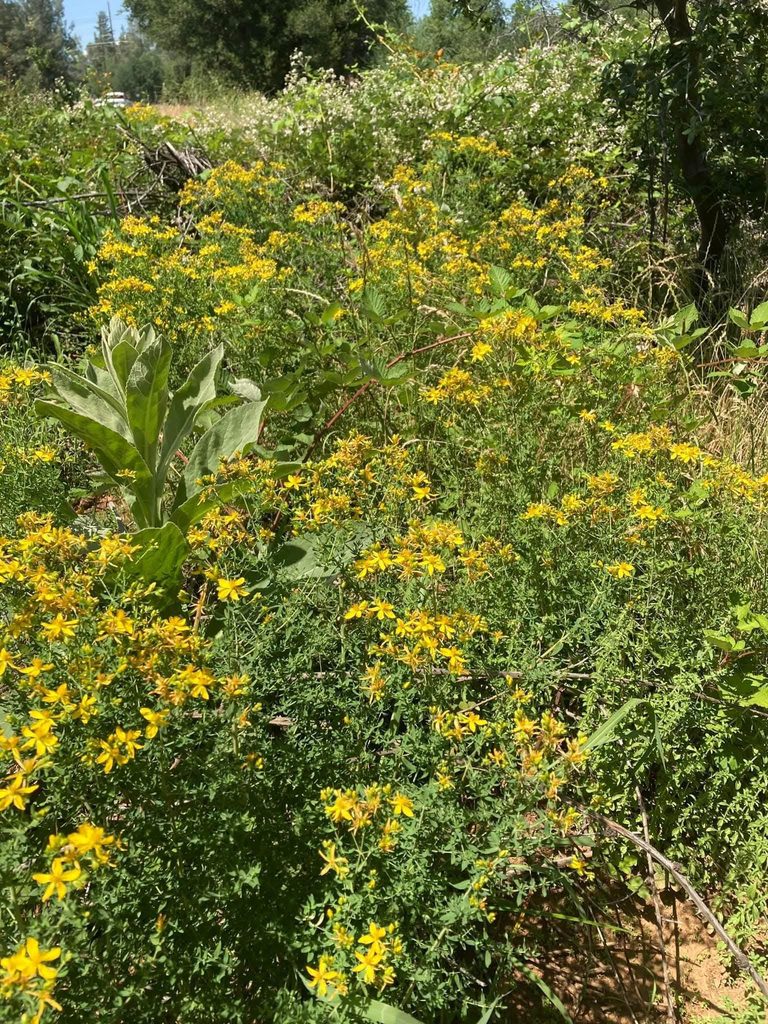
Making a St. John’s Wort tincture is a traditional way to preserve the fresh flowering herb for later use. If you enjoy foraging, late spring and summer can be an especially rewarding time to gather St. John’s Wort, plantain, mullein, wild roses, and other wild plants.
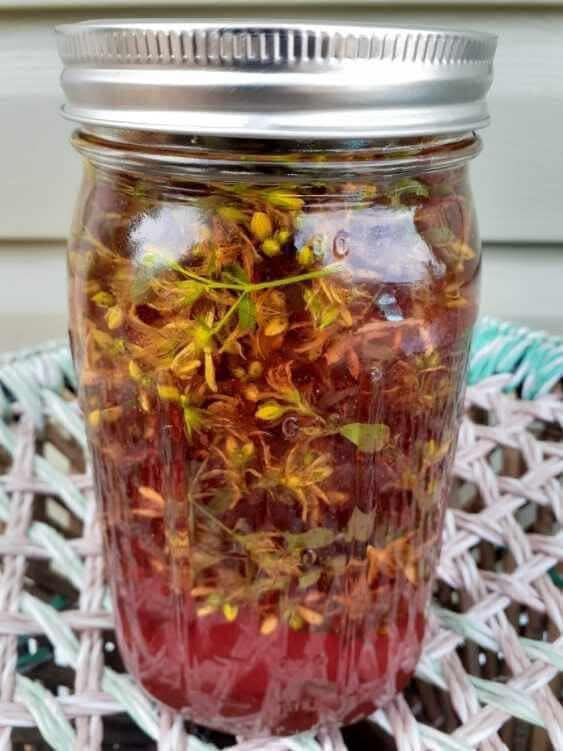
St. John’s Wort (Hypericum perforatum) has a long history in traditional herbal practices. A homemade tincture is made by steeping the herb in alcohol, which extracts and preserves many of the plant’s constituents.
Important: St. John’s Wort can interact with many prescription and over-the-counter medicines and can increase sensitivity to sunlight. It should not be treated as a harmless food or general wellness supplement. Speak with a qualified healthcare professional before using it internally.
Ingredients
What You’ll Need
- Fresh St. John’s Wort flowering tops — enough to loosely fill a clean glass jar
- 40–50% ABV vodka or another plain, food-grade spirit
- Clean glass jar with a tight-fitting lid
- Clean knife or scissors
- Fine-mesh strainer or cheesecloth
- Dark glass dropper bottles
- Label and marker
Possible Substitutions
For tinctures, food-grade vodka is a practical choice because it has a relatively neutral flavor and an alcohol concentration commonly used for herbal preparations.
Avoid rubbing alcohol, isopropyl alcohol, or other alcohols that are not intended for consumption.
Timing
- Gathering and preparation: 10–20 minutes
- Jar preparation: 5 minutes
- Maceration: approximately 4–6 weeks
- Straining and bottling: 10–15 minutes
- Total calendar time: approximately 4–6 weeks
Unlike a cooked recipe, most of the time is passive infusion rather than active preparation.
Step-by-Step Instructions
Step 1: Identify the Herb Carefully
Before harvesting, make absolutely certain that you have correctly identified St. John’s Wort (Hypericum perforatum).
The plant typically has yellow flowers and distinctive tiny translucent or dark dots on its leaves when viewed against the light. Identification can vary depending on growth stage, so a reliable field guide or experienced forager is strongly recommended.
Never consume a wild plant based solely on a photograph or social-media identification.
Step 2: Harvest Responsibly
Choose healthy flowering tops from an area free from pesticides, herbicides, heavy traffic, and other potential contaminants.
Use clean scissors and harvest only what you need. Leave plenty of plants behind so the local population can continue growing and supporting pollinators.
Step 3: Prepare the Fresh Herb
Remove damaged or discolored material, insects, and obvious debris.
You can gently shake the flowers and stems to remove loose material. If you wash the herb, allow it to dry thoroughly before placing it into the jar because excess water can dilute the alcohol and affect preservation.
Step 4: Fill the Jar
Loosely pack the chopped flowering tops into a clean glass jar.
Do not compress the plant material tightly. You want the alcohol to be able to move freely around the herb.
Step 5: Add the Alcohol
Pour enough vodka into the jar to completely cover the plant material.
Use a clean utensil to gently press down any floating herbs and release trapped air pockets. Make sure the plant material remains submerged.
Step 6: Seal and Label
Close the jar tightly.
Label it with:
- “St. John’s Wort”
- Botanical name: Hypericum perforatum
- Alcohol used
- Date prepared
Good labeling is especially important when you make several herbal preparations at the same time.
Step 7: Let It Macerate
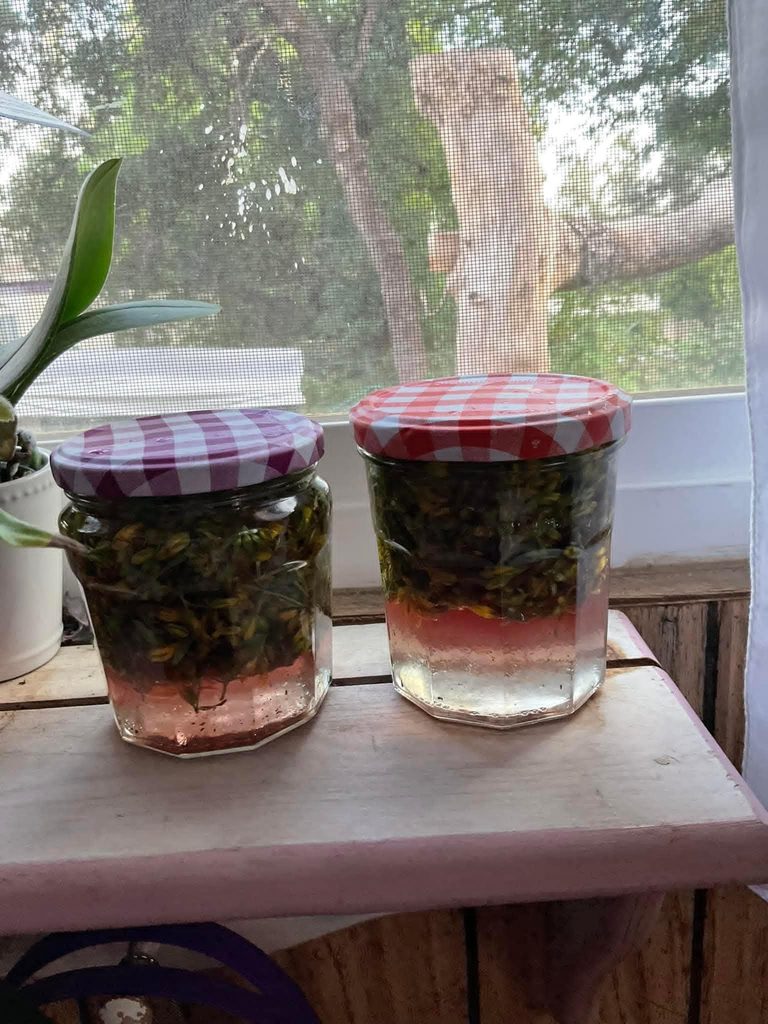
Store the jar in a cool, dark place for approximately 4–6 weeks.
Gently shake the jar every day or two. Check periodically to ensure the herb remains covered by alcohol.
If you notice mold, unusual fermentation, a damaged seal, or an unpleasant unexpected odor, discard the preparation rather than attempting to rescue it.
Step 8: Strain the Tincture
After the maceration period, strain the liquid through cheesecloth or a fine-mesh strainer.
Squeeze the plant material gently to recover the remaining liquid.
Step 9: Bottle and Label Again
Transfer the strained tincture into clean, dark glass bottles.
Label the bottles clearly with the plant name, date, and alcohol concentration if known.
Store them securely away from children and pets.
Nutritional Information
A tincture is not a significant source of conventional nutrition because it is consumed in small quantities and is primarily an herbal alcohol extract.
Typical nutrition is therefore better described as:
| Nutrient | Typical contribution |
|---|---|
| Protein | Negligible |
| Fat | Negligible |
| Carbohydrates | Negligible |
| Fiber | None in the strained liquid |
| Alcohol | Present; depends on the spirit and final dilution |
The important consideration is not its vitamin or mineral content but its pharmacologically active herbal constituents and potential interactions.
Healthier Alternatives for the Recipe
If your goal is simply to enjoy the herb without preparing an alcohol-based extract, consider non-alcoholic approaches such as:
- Using a commercially prepared St. John’s Wort product with standardized labeling.
- Exploring other culinary herbs that are appropriate as foods.
- Keeping a dried-herb collection for plants that are traditionally used as teas and are suitable for that purpose.
However, “alcohol-free” does not automatically mean risk-free. St. John’s Wort itself can interact with medicines regardless of whether it is prepared as a tincture, tea, capsule, or extract.
Serving Suggestions
A St. John’s Wort tincture is generally not a culinary ingredient.
If you intend to use it internally, follow guidance from a qualified healthcare professional or a reputable product label rather than improvising a dose from a homemade recipe.
Never add a homemade medicinal tincture casually to drinks for children, pregnant people, or anyone taking prescription medication.
Common Mistakes to Avoid
Misidentifying the Plant
One of the biggest risks of wild foraging is confusing one plant with another. Always verify the botanical identity.
Using Contaminated Plants
Avoid harvesting beside busy roads, sprayed fields, industrial areas, or places where animals frequently defecate.
Leaving Plant Material Above the Alcohol
Floating plant material can increase the risk of spoilage. Keep the herb submerged.
Using the Wrong Alcohol
Never use rubbing alcohol, denatured alcohol, or industrial alcohol. Only use an appropriate food-grade spirit.
Forgetting to Label the Jar
A jar without a name and date quickly becomes difficult to identify, especially when several herbs are being prepared.
Assuming “Natural” Means Safe
This is particularly important with St. John’s Wort. It can alter the effects of numerous medicines, including some antidepressants, hormonal contraceptives, anticoagulants, transplant medicines, and other drugs.
Storing Tips
Once strained and bottled:
- Keep the tincture tightly closed.
- Store it in a cool, dark location.
- Use dark glass to reduce light exposure.
- Keep it away from children and animals.
- Clearly label the bottle.
- Discard it if you notice mold, unexpected cloudiness, leakage, or another sign of contamination.
Do not rely solely on appearance to determine whether a homemade medicinal preparation is safe.
Conclusion
A St. John’s Wort tincture is a traditional method of preserving Hypericum perforatum in alcohol. Correct identification, clean preparation, proper storage, and careful attention to drug interactions are essential. Try responsible foraging, share your experience in the review section or leave a comment on our blog, and subscribe for more herbal updates.
FAQs
What is St. John’s Wort tincture?
It is an alcohol-based extract traditionally prepared by soaking St. John’s Wort flowering material in alcohol for several weeks.
How long should St. John’s Wort tincture steep?
A common home preparation period is approximately 4–6 weeks, although preparation methods vary.
Can I make a tincture with dried St. John’s Wort?
Yes, dried herbs can be used for tinctures, but the amount of plant material and alcohol ratio may differ from preparations made with fresh herbs.
Can I drink St. John’s Wort tincture every day?
Do not assume that daily use is safe. St. John’s Wort has clinically important drug interactions, so consult a healthcare professional before internal use.
Does St. John’s Wort interact with medications?
Yes. It can significantly affect how the body processes many medicines. It may reduce the effectiveness of hormonal contraceptives and other medications and can interact with antidepressants and numerous other drugs.
Can St. John’s Wort make you sensitive to sunlight?
Yes. St. John’s Wort can cause photosensitivity, particularly with some forms and higher exposures. People using it should discuss sun-sensitivity precautions with a healthcare professional.
Can rabbits eat St. John’s Wort?
Do not assume that a wild herb is safe for rabbits simply because other foragers feed wild plants to them. St. John’s Wort has biologically active compounds, and rabbit-specific feeding should be discussed with an exotic-animal veterinarian.
Is homemade tincture better than a commercial product?
Not necessarily. Commercial products may offer standardized ingredients and clearer labeling, while homemade preparations can vary considerably in strength and composition.
Who should avoid St. John’s Wort?
Anyone taking medication should check with a healthcare professional before using it. Extra caution is warranted during pregnancy or breastfeeding and in people with conditions or treatments for which St. John’s Wort may be inappropriate.