Introduction
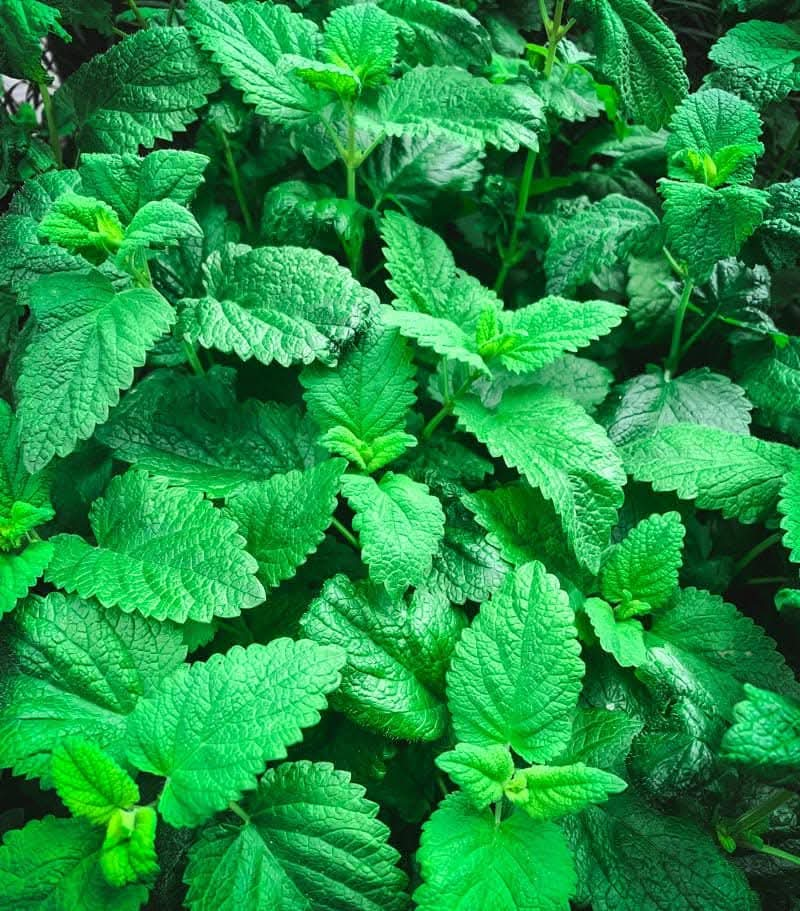
Lemon balm is one of those wonderfully generous herbs that seems to appear everywhere once it gets established in the garden. With its fresh lemony fragrance, soft green leaves, and tiny flowers loved by bees and butterflies, lemon balm is both beautiful and useful. Every year, a generous patch can provide plenty of leaves and flowering tops for herbal preparations, cooking, and homemade infusions.
Known botanically as Melissa officinalis, lemon balm has a long history of traditional use as a calming herb. Its leaves can be enjoyed fresh or dried and are commonly prepared as an herbal tea or infusion. It can also be used to make tinctures, infused vinegar, infused oils, and salves.
Today, let’s make one of the easiest preparations: a fragrant lemon balm herbal infusion.
Ingredients
For One Cup of Lemon Balm Infusion
- 1–2 tablespoons fresh lemon balm leaves, lightly chopped
- 1 teaspoon dried lemon balm, or approximately 1 tablespoon dried leaves depending on strength
- 250 ml (1 cup) freshly boiled water
- Optional: 1 teaspoon honey
- Optional: A slice of fresh lemon
- Optional: A few fresh mint leaves for a refreshing variation
Choosing and Substituting Ingredients
Fresh lemon balm gives the infusion a bright, garden-fresh aroma, while dried lemon balm produces a slightly deeper herbal flavor.
If you don’t have fresh lemon balm, dried leaves work beautifully. You can also combine lemon balm with peppermint, chamomile, or ginger to create different flavor profiles.
Important: Only harvest plants you have correctly identified and that have been grown or collected away from pesticides, herbicides, roadsides, and other sources of contamination.
Timing
- Preparation time: 5 minutes
- Steeping time: 5–10 minutes
- Total time: About 10–15 minutes
- Difficulty: Very easy
- Servings: 1 cup
This is a wonderfully simple preparation because there is no cooking required. From garden to cup, you can have a fragrant herbal infusion ready in around 15 minutes.
Step-by-Step Instructions
Step 1: Harvest the Lemon Balm
Choose fresh, healthy lemon balm leaves and tender flowering tops. Morning harvesting, after the dew has dried, is often a convenient time because the plant is fresh and fragrant.
Gently shake off any insects and inspect the leaves before bringing them indoors.
Step 2: Clean the Leaves
If necessary, rinse the leaves briefly under cool running water and gently pat them dry.
If you’ve grown the herb yourself and know it is clean and untreated, a gentle inspection may be all that’s needed.
Step 3: Prepare the Herb
Lightly tear or chop the fresh leaves. This helps release their aromatic oils and gives the hot water more surface area to interact with the herb.
Don’t pulverize the leaves—gentle preparation is enough.
Step 4: Add Hot Water
Place the lemon balm into a mug or teapot.
Pour approximately 250 ml of freshly boiled water over the leaves. Cover the cup or teapot with a lid or small saucer.
Covering the infusion helps retain the delicate aromatic compounds that would otherwise escape with the steam.
Step 5: Let It Steep
Allow the lemon balm to steep for approximately 5–10 minutes.
For a lighter, delicate cup, use the shorter steeping time. If you prefer a stronger herbal flavor, let it steep toward the 10-minute mark.
Step 6: Strain and Enjoy
Strain out the leaves and allow the infusion to cool slightly.
Add a little honey if desired, or enjoy it plain. A thin slice of lemon can provide an extra citrusy note.
Take a moment to enjoy the beautiful lemon-like aroma before drinking.
Nutritional Information
Lemon balm infusion is primarily a herbal beverage rather than a significant source of calories or macronutrients. Exact nutrition varies according to the quantity of herb used, steeping time, and any additions.
For approximately one cup of unsweetened infusion:
| Nutrient | Approximate amount |
|---|---|
| Calories | Very low |
| Protein | Negligible |
| Fat | Negligible |
| Carbohydrates | Very low |
| Added sugar | 0 g |
| Caffeine | 0 mg |
Adding honey or sugar increases the carbohydrate and calorie content.
Lemon balm contains naturally occurring plant compounds, including rosmarinic acid and other polyphenols, which are among the compounds researchers have investigated in Melissa officinalis.
However, drinking lemon balm tea should not be considered a substitute for medical treatment.
Healthier Alternatives for the Recipe
There are several easy ways to customize your lemon balm infusion.
Use No Added Sweetener
Lemon balm naturally has a pleasant citrus-like aroma, so you may find that you don’t need honey or sugar at all.
Add Fresh Mint
A few mint leaves create an especially refreshing combination and are lovely served chilled.
Add Ginger
A thin slice of fresh ginger gives the infusion a warm, spicy character.
Try Chamomile
For a softer floral flavor, combine lemon balm with chamomile flowers.
Make It Iced
Prepare the infusion normally, allow it to cool, then refrigerate and serve over ice with fresh lemon slices.
Serving Suggestions
Lemon balm infusion is versatile enough to enjoy throughout the year.
- Serve warm in the evening.
- Enjoy it chilled over ice during warm weather.
- Add fresh lemon and mint for a refreshing summer drink.
- Pair it with a light breakfast.
- Serve it alongside homemade biscuits or a simple afternoon snack.
- Freeze cooled infusion into ice cubes for adding to water or other non-alcoholic drinks.
For a beautiful garden-inspired presentation, garnish the cup with a small fresh lemon balm sprig.
Common Mistakes to Avoid
Using an Unidentified Plant
Lemon balm can resemble other members of the mint family. Never consume a wild plant unless you are completely confident about its identification.
Harvesting Contaminated Herbs
Avoid plants growing beside busy roads or areas treated with chemicals.
Over-Steeping
A very long steep can produce a stronger, more bitter herbal flavor. Start with 5–10 minutes and adjust according to your taste.
Leaving the Infusion Uncovered
Covering the cup while steeping helps keep the aromatic character in the drink.
Using Too Much Honey
Honey can complement lemon balm beautifully, but a small amount is usually enough.
Treating Herbal Tea Like Medicine
Traditional use and modern research are not the same thing. Lemon balm may be soothing and enjoyable, but an infusion should not replace prescribed treatment or professional medical advice.
Storing Tips for the Recipe
Fresh lemon balm is best used soon after harvesting.
To store fresh leaves, place them loosely in a clean container or bag in the refrigerator and use them within several days.
For longer-term storage, lemon balm can be air-dried in a clean, dry, well-ventilated location away from direct sunlight. Once completely dry and crisp, store the leaves in an airtight container away from heat, moisture, and light.
Properly dried herbs generally retain their best aroma and flavor when protected from humidity and excessive light.
For prepared infusion, refrigerate promptly in a covered container and use within approximately 24–48 hours for best quality. Discard it if it develops an unusual smell, appearance, or taste.
Conclusion
Lemon balm is a wonderfully versatile garden herb, loved by pollinators and valued for its fresh citrus aroma. This simple infusion takes only minutes to prepare and is an easy way to enjoy the herb. Try it yourself, share your experience in the review section or leave a comment on our blog, and subscribe for more herbal recipes and updates.
FAQs
What is lemon balm?
Lemon balm (Melissa officinalis) is a perennial herb in the mint family. It has fragrant leaves with a characteristic lemon-like aroma and is commonly grown in herb gardens.
Can I use fresh lemon balm for tea?
Yes. Fresh leaves work very well for herbal infusions. Simply wash them if necessary, lightly tear or chop them, and steep them in freshly boiled water.
Can I use dried lemon balm?
Absolutely. Dried lemon balm is convenient and can be stored for months when properly dried and kept in an airtight container.
Does lemon balm tea contain caffeine?
Pure lemon balm infusion is naturally caffeine-free.
What does lemon balm tea taste like?
It has a gentle herbal flavor with a fresh, lemon-like aroma. The taste can vary depending on whether you use fresh or dried leaves and how long you steep them.
Can I drink lemon balm tea every day?
Many people enjoy lemon balm as a regular herbal beverage. However, concentrated preparations can differ considerably from a mild tea. If you take medications, are pregnant or breastfeeding, or have a medical condition, ask a qualified healthcare professional before using lemon balm regularly or in concentrated forms.
What parts of lemon balm are traditionally used?
The leaves and flowering tops are commonly used in traditional herbal preparations, including infusions and tinctures.
What else can I make with lemon balm?
Beyond tea, lemon balm can be used in